Dogs
Discover the World of Dogs

Is My Dog Overstimulated? Common Signs to Watch For
When a dog has endless energy, many people simply describe them as "hyper." But what looks like hyperactivity isn't always caused by having too much energy. In many cases, a dog is actually overstimulated. Overstimulation...

Why My Dog Can't Fully Relax Even While Resting
At first glance, your dog appears to be resting. They're lying on their bed or the couch, but something still doesn't seem right. Their eyes stay open, their ears keep twitching, they lift their head...

Why More Exercise Doesn't Always Create a Calmer Dog
Dog owners are told that if their dog has too much energy, the answer is simple - more exercise. It sounds logical. A longer walk, another game of fetch, or extra running should leave a...

Can Dogs Eat Avocado Without Risks?
Many dog owners assume that if a food is healthy for humans, it should also be safe for dogs. Avocado is a good example of why this assumption can be misleading. While small amounts of...

Can Dogs Eat Bread Every Day?
Bread is a common food for people, so dogs are likely to come across it. Many owners wonder if it's safe to share bread, whether it's a small piece from the table or leftovers from...

Is Cheese Safe for Dogs Every Day?
A lot of people give their dogs cheese as a treat. It tastes good, is easy to use for training, and a lot of dogs really like it. Because of this, some owners start giving...

Can Dogs Drink Milk?
People often think of milk as a healthy and natural food, which makes many dog owners wonder if it's safe to give to their pets. Milk is not poisonous to dogs, but it isn't always...

Is It Safe to Feed Dogs Eggs Daily?
Many dog owners wonder if they can safely share eggs with their pets because they are a common and healthy food for people. Eggs can be a healthy part of a dog's diet, but feeding...

Can Dogs Eat Onions or Garlic?
Onions and garlic are common ingredients in many kitchens, often used to add flavor to meals. Because they are so widely used, many dog owners wonder whether small amounts are safe to share. The answer,...

Are Grapes Safe for Dogs or Dangerous?
Grapes might look like a small, harmless snack, but they are one of the most dangerous foods for dogs that people eat every day. Many owners are shocked to find out that even a little...
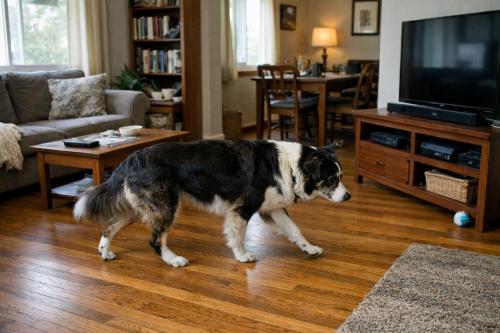
Why Do Intelligent Dogs Pace Around the House?
Many owners of intelligent dog breeds notice a puzzling pattern at home. Even after walks, play, or training, their dog may begin pacing around the house — moving from room to room, circling through familiar...

Why Highly Intelligent Dogs Struggle With Idle Time
Many dog owners dream of having a highly intelligent companion — a dog that learns quickly, understands routines, and seems deeply connected to human life. Yet owners of intelligent breeds often notice something unexpected: when...

When Engagement Becomes Expectation: Hidden Pressure in Smart Dogs
Highly intelligent dogs are often praised for their engagement. They respond quickly, stay attentive, and appear eager to participate in everything their owners do. At first, this level of involvement feels like a dream —...

Emotional Regulation vs Obedience in Modern Dog Training
Modern dog training often focuses heavily on obedience — teaching dogs to sit, stay, walk politely, and respond quickly to cues. While these skills are important, many behavior challenges today are not caused by a...

Calmness as a Skill: Teaching Dogs to Switch States
Many dog owners focus heavily on activity — training sessions, enrichment games, long walks, and constant engagement. While these experiences are valuable, they often overlook one of the most important abilities a dog can develop:...

When Awareness Becomes Overload: Understanding the Thinking Dog
Some dogs seem to notice everything. A small sound in another room, a shift in body language, movement far in the distance — nothing escapes their attention. These highly aware dogs are often described as...

The Myth of Endless Stimulation in Intelligent Breeds
Highly intelligent dogs are often described as needing constant activity, nonstop enrichment, and endless mental challenges. Owners hear phrases like “a tired dog is a good dog” or “smart breeds always need more stimulation.” While...

Nervous System Load in High-Engagement Dogs
Some dogs don’t just move through the world — they analyze it constantly. Highly engaged, intelligent dogs often appear focused, responsive, and endlessly motivated. But beneath that impressive drive, many carry something less visible: nervous...