People often think of milk as a healthy and natural food, which makes many dog owners wonder if it's safe to give to their pets. Milk is not poisonous to dogs, but it isn't always as good for them as it seems. In some cases, it can even make them feel bad.
Dogs can drink small amounts of milk, but many do not tolerate it well. The main issue is not safety, but how the dog’s body processes lactose.
Understanding when milk is acceptable, what risks to watch for, and how it fits into your dog’s diet can help you make better feeding decisions.
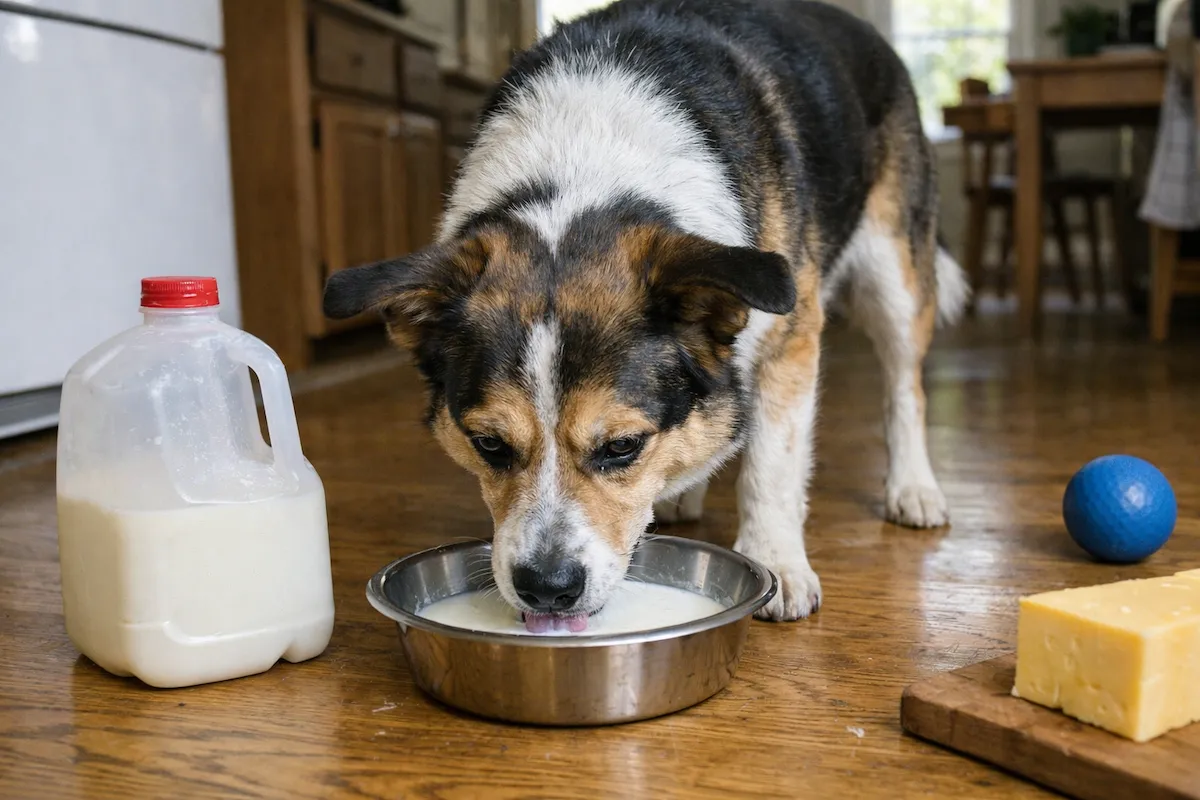
Can Dogs Drink Milk?
Yes, dogs can drink milk in small amounts. It is not toxic, and some dogs tolerate it without any noticeable problems.
However, milk is not a necessary part of a dog’s diet. Unlike puppies, adult dogs do not rely on milk for nutrition.
Just because a dog can drink milk does not mean it should be given regularly — similar to foods like cheese or eggs, which also require moderation.
Why Milk Can Be Problematic for Dogs
Lactose Intolerance
Many adult dogs have difficulty digesting lactose — the natural sugar found in milk. As dogs grow, their ability to break down lactose decreases.
This can lead to:
- Loose stools
- Gas
- Bloating
- Stomach discomfort
Lactose intolerance is the most common reason milk does not suit dogs.
High Fat Content
Milk contains fat, which can contribute to excess calorie intake if given frequently. For less active dogs, this may lead to gradual weight gain.
Digestive Sensitivity
Even dogs that are not fully lactose intolerant may experience mild digestive upset if milk is given in large amounts or too often.
Hidden Risk: Calories and Fat Content
Milk is not only a digestive issue — it also adds calories that can affect long-term health.
- Regular milk intake increases daily calorie consumption
- This can lead to gradual weight gain
- Higher fat intake may increase the risk of pancreatitis
Hidden Dangers in Milk and Dairy Products
- Flavored milk may contain added sugar or sweeteners
- Some products can include xylitol, which is extremely dangerous
- High sodium or additives can affect sensitive dogs
Puppies vs Adult Dogs: Why Milk Is Not the Same
While puppies naturally drink their mother’s milk, this does not mean milk is suitable later in life.
- Mother’s milk is specially balanced for puppies
- Cow’s milk is harder to digest and can cause diarrhea
- After weaning, dogs are not adapted to regular milk consumption
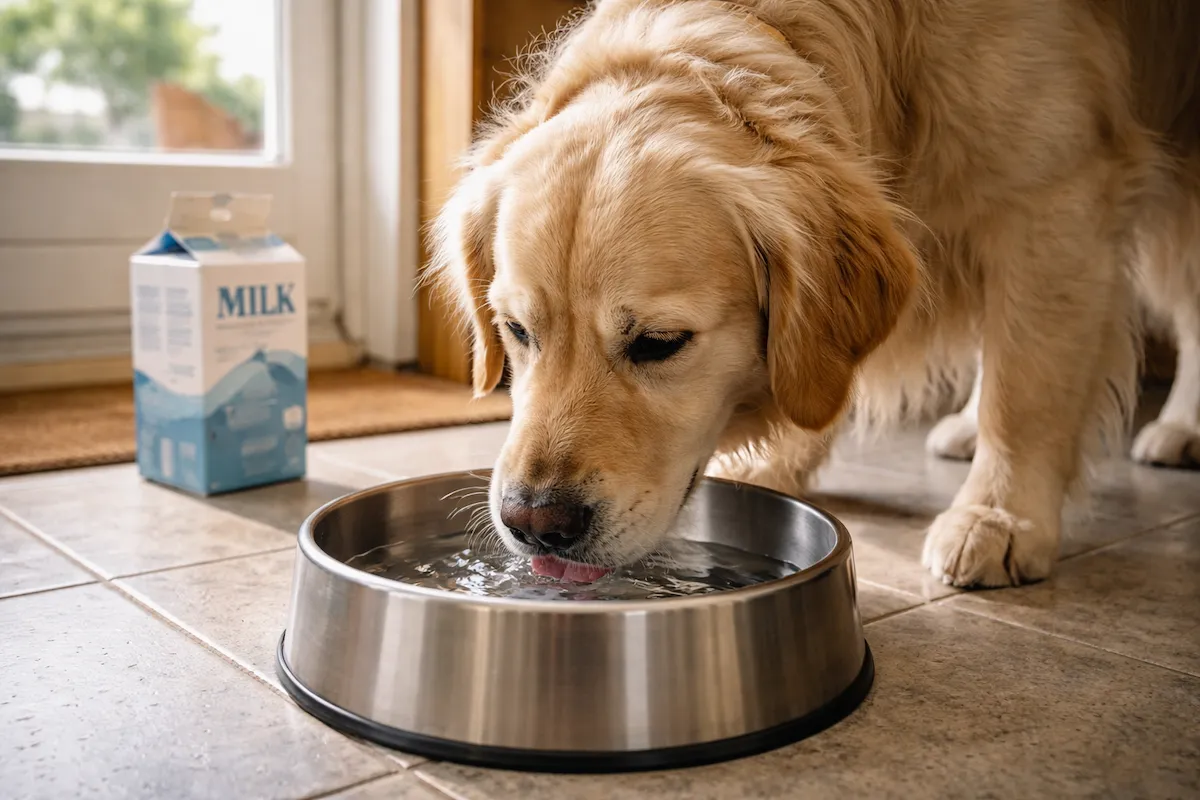
Are Some Dogs Able to Drink Milk Safely?
Yes, some dogs tolerate small amounts of milk without issues. Individual sensitivity varies, and some dogs may digest it more easily than others.
However, tolerance does not mean milk provides unique benefits. It is simply an optional treat rather than a necessary food.
How Much Milk Can a Dog Drink?
If your dog tolerates milk, keep portions small:
- Small dogs: a few tablespoons occasionally
- Medium dogs: a small amount once in a while
- Large dogs: a small bowl occasionally
Milk should never replace water or regular meals.
Milk is best treated as an occasional treat, not a daily addition.
Why “Small Amounts” Can Still Be Too Much
Many guides say milk is safe in small amounts, but this depends heavily on the dog.
- Even a few tablespoons can affect small dogs
- Some dogs react to very small quantities
- If symptoms appear, milk should be avoided completely
Types of Milk and Their Safety
- Cow’s milk: most common, but may cause digestive issues
- Lactose-free milk: easier to digest, but still unnecessary
- Plant-based milk: varies — some contain additives that are not suitable for dogs
Always check ingredients before offering alternative milk products.
Signs Milk Does Not Suit Your Dog
- Loose stools after consumption
- Gas or bloating
- Reduced appetite
- General discomfort
If these signs appear, it is best to avoid milk entirely.
When Milk Might Be Used Occasionally
Some owners use small amounts of milk:
- As an occasional treat
- To mix with food for picky eaters
- As part of enrichment activities
Milk can be enjoyable for some dogs, but it should not become a regular habit.
Which Dogs Should Avoid Milk Completely
- Dogs with sensitive digestion
- Dogs with diabetes or obesity
- Senior dogs
- Dogs with chronic health conditions
Better Alternatives to Milk
If you want to offer something similar, consider:
- Fresh water (always the best option)
- Plain yogurt (in small amounts, if tolerated)
- Dog-safe broths without seasoning
These options are often easier on digestion and more appropriate for regular use.
Common Mistakes Owners Make
- Assuming milk is naturally good for all dogs
- Feeding large portions
- Giving milk daily
- Ignoring signs of digestive discomfort
A food can be safe but still unsuitable for regular feeding.
Final Thoughts
Dogs can drink milk, but most do not need it — and some do better without it.
Small amounts may be tolerated, but milk should always remain an occasional treat rather than a routine part of the diet.
When deciding what to feed your dog, it is more helpful to focus on balance and digestion rather than assumptions about what seems “natural.”
Author: XPETSI Editorial Team