Focus is often seen as one of the most desirable traits in a dog. A focused dog responds quickly, stays engaged, and appears deeply connected to their environment. But there is an important distinction that many owners miss: not all intense attention is healthy focus. Sometimes what looks like concentration is actually mental pressure — a state where the dog’s nervous system is working too hard to keep up.
True focus feels flexible and calm. Mental pressure feels intense, rigid, and difficult for the dog to release.
Understanding the difference between these two states can completely change how you interpret behavior during training, walks, and daily life. Instead of assuming that more intensity always equals better performance, recognizing the signs of cognitive strain helps build long-term emotional balance and more reliable engagement — especially in dogs with high environmental awareness and constant mental processing.
What Healthy Focus Really Looks Like
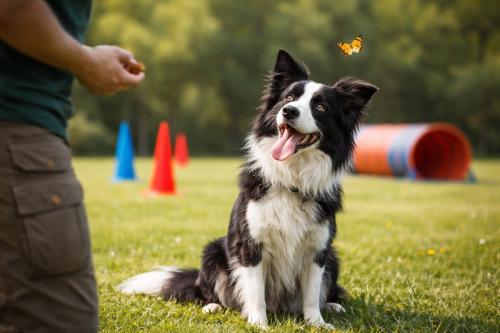
Healthy focus is not about constant intensity. It’s about a dog’s ability to engage with the environment while staying emotionally regulated. A focused dog can pay attention, respond to cues, and still relax when the situation changes.
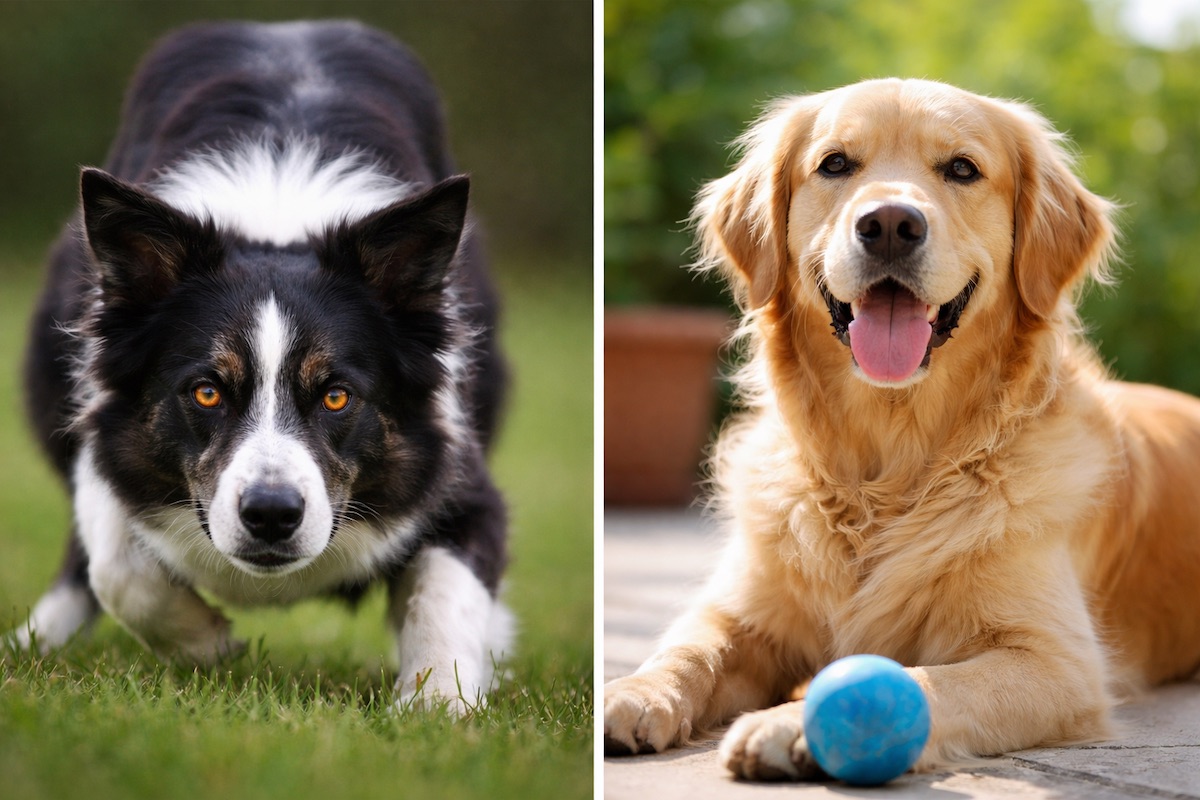
- Soft eye contact instead of hard staring
- Flexible movement rather than rigid posture
- Quick recovery after distractions
- Ability to disengage without frustration
- Calm breathing and balanced body language
Focus is a skill that allows the dog to shift between states — engagement, observation, and relaxation — without becoming overwhelmed.
Healthy focus includes the ability to look away, pause, and reset. Constant intensity is not a requirement for learning.
What Mental Pressure Feels Like for a Dog
Mental pressure appears when the nervous system receives more cognitive demand than it can comfortably process. This pressure can come from intense environments, long training sessions, emotional tension, or unclear expectations.
Instead of flexible engagement, the dog may begin to show:
- Rigid body posture
- Hard staring or fixation
- Delayed responses to familiar cues
- Sudden distraction or shutdown
- Difficulty relaxing after activity
To an observer, this state may look like extreme concentration — but internally, the dog is working harder than necessary just to maintain control. In many cases, it’s part of a broader pattern of nervous system load in high-engagement dogs.
Mental pressure often hides behind the appearance of obedience. A dog may still perform tasks while feeling overwhelmed.
Why Intelligent and Sensitive Dogs Experience Mental Pressure More Easily
Dogs that process information deeply — especially working and highly observant breeds — tend to notice more environmental detail. They monitor movement, emotional tone, and subtle changes around them.
While this awareness is impressive, it also means their brains rarely switch off automatically. When expectations remain high for long periods, cognitive load accumulates.
Common contributors to mental pressure include:
- Continuous training without recovery time
- Busy or unpredictable environments
- Emotional tension from the handler
- Fast-paced routines without clear transitions
- Too many decisions required during walks
Instead of improving performance, excessive stimulation can reduce clarity and slow learning — especially when owners fall into the myth that smart dogs need constant stimulation.
Focus vs Mental Pressure: Key Differences
| Behavior | Healthy Focus | Mental Pressure |
|---|---|---|
| Eye Contact | Soft and responsive | Hard, fixed staring |
| Body Language | Loose and adaptable | Rigid or tense |
| Response Speed | Consistent and clear | Delayed or inconsistent |
| Recovery | Relaxes easily | Remains hyper-alert |
| Emotional State | Curious and balanced | Serious or pressured |
This difference is subtle but important. Owners who recognize it early can adjust routines before stress builds into larger behavioral challenges.
Common Situations Where Mental Pressure Is Mistaken for Focus
During Structured Training
Dogs that stare intensely or hold rigid posture may appear perfectly engaged. In reality, they might be trying to maintain control under pressure. Shortening sessions and allowing breaks often improves clarity more than increasing repetitions.
On Busy Walks
Fast-moving environments can push dogs into hyper-awareness. What looks like alert focus may actually be overprocessing — especially in dogs whose drive stays high without a clear outlet, a pattern similar to motivation turning into stress without direction.
At Home During Quiet Moments
A dog that watches every movement instead of resting may not be calm — they may be anticipating the next task.
Intensity alone is not proof of confidence. Sometimes the calmest-looking dog is the most mentally tired.
Why Chasing Constant Focus Can Backfire
Many modern training approaches emphasize maintaining engagement at all times. While attention is valuable, expecting continuous focus can prevent the nervous system from recovering.
When dogs never feel permission to disengage, they may:
- Become restless indoors
- Lose clarity during training
- Show sudden distraction outdoors
- Struggle to relax even after exercise
Ironically, allowing moments of neutral observation often strengthens attention over time — especially when dogs are taught calm transitions after activity instead of abrupt endings.
How to Encourage Healthy Focus Without Increasing Pressure
Reward Soft Engagement
Instead of reinforcing only intense eye contact, notice relaxed check-ins and calm responses.
Create Clear End Signals
Let your dog know when engagement ends. Predictable transitions help the brain switch into recovery mode.
Balance Structure With Freedom
Mix focused exercises with slower exploration. Variety lowers cognitive strain.
Observe Emotional State, Not Just Performance
If your dog seems tense despite doing everything correctly, consider reducing intensity temporarily.
Balanced focus grows when the dog feels safe enough to think — not when they feel pressured to perform perfectly.
Signs Your Dog Is Returning to Healthy Focus
- More flexible body movement
- Natural eye contact instead of fixation
- Faster recovery after distractions
- Ability to settle calmly at home
- Curiosity replacing tension
These changes often appear gradually as mental load decreases and routines become more predictable — especially for dogs that naturally find relaxation harder than calmer breeds.
Final Thoughts
Focus is not about intensity — it’s about balance. A dog that can engage and disengage comfortably shows true emotional stability.
Instead of asking how to make your dog concentrate harder, consider whether the environment allows them to feel clear and calm. When mental pressure decreases, many dogs naturally become more attentive, responsive, and confident — not because they are forced to focus, but because their mind has space to work effectively.
Author: XPETSI Editorial Team