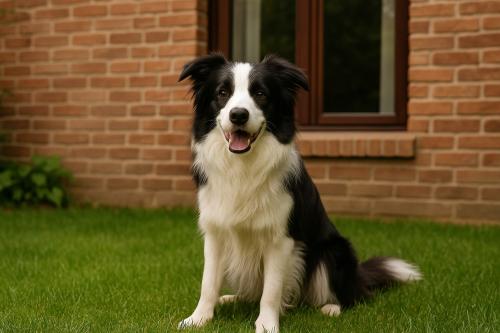
Some dogs don’t just move through the world — they analyze it constantly. Highly engaged, intelligent dogs often appear focused, responsive, and endlessly motivated. But beneath that impressive drive, many carry something less visible: nervous system load. When the brain processes too much information without enough recovery, focus may slowly shift into tension, and motivation can begin to feel like pressure instead of clarity.
Nervous system load rarely looks dramatic at first. In many high-engagement dogs, it builds quietly through constant thinking, emotional sensitivity, and environments that never truly slow down.
This guide explores how cognitive pressure develops, why highly responsive dogs experience it more strongly, and how understanding neurological balance can transform behavior without increasing control or intensity — especially in dogs that experience high awareness and cognitive overload in daily life.

What Is Nervous System Load in Dogs?
Nervous system load describes how much mental and emotional processing a dog carries throughout the day. Every decision — noticing movement, interpreting tone, responding to cues — requires neurological energy.
Highly engaged dogs often:
- Monitor subtle environmental changes constantly
- Anticipate interaction before it happens
- Stay mentally active even during physical rest
- React quickly to emotional shifts in humans
When engagement continues without structured recovery, the nervous system may stay in a prolonged state of readiness. This does not mean the dog is anxious — but it does mean the brain may struggle to switch fully into calm mode, which is why many intelligent dogs struggle to relax more than calmer breeds.
High intelligence increases processing speed — but it also increases neurological load when rhythm disappears.
Why High-Drive Dogs Carry More Cognitive Pressure
Dogs bred for responsiveness or problem-solving naturally process more information than low-drive companion breeds. Instead of filtering background noise, they often try to understand everything at once.
This is why some dogs appear intensely focused one moment and mentally scattered the next. The dynamic between engagement and pressure is explored further in The Difference Between Focus and Mental Pressure, where we look at how concentration can gradually become cognitive strain.
Common patterns linked to high nervous system load include:
- Hyper-awareness indoors
- Rigid or overly intense focus
- Sudden distraction in complex environments
- Difficulty relaxing even after activity ends
Drive Without Regulation: When Motivation Becomes Stress
Drive is often celebrated in intelligent dogs, but motivation without direction can increase internal pressure rather than reduce it. When a dog feels responsible for constant engagement, their nervous system may never fully disengage.
This pattern is explored deeply in Drive Without Direction: When Motivation Turns Into Stress, where high engagement slowly transforms into emotional tension when recovery disappears.
Healthy drive includes moments of stillness. Without pauses, even strong motivation can turn into cognitive fatigue — especially when influenced by the myth of endless stimulation in intelligent breeds.
Subtle Signs a Dog’s Nervous System Is Carrying Too Much Load
- Constant environmental scanning or monitoring
- Difficulty settling after walks or training
- Delayed responses despite strong training history
- Shadowing or following behavior indoors
- Rapid switching between stimuli outdoors
These signs often appear long before obvious restlessness. Many owners interpret them as extra energy, but they frequently reflect neurological overload instead.
Similar early warning patterns are described in silent stress signals seen in highly responsive dogs, where subtle changes appear before visible behavioral challenges develop.
Common Sources of Nervous System Overload
Continuous Mental Engagement
Training, enrichment, and constant interaction without recovery windows can keep the brain in problem-solving mode all day.
Emotionally Intense Environments
Highly perceptive dogs absorb tension quickly. Even small emotional changes may increase neurological effort.
Busy Walk Environments
Complex outdoor settings often require constant monitoring, especially in motion-sensitive breeds. Dogs that struggle with rhythm outside may show patterns similar to losing rhythm in busy environments, where the nervous system tries to process too much at once.
Lack of Predictable Transitions
When activity never clearly ends, anticipation keeps the brain activated longer than necessary — something that improves significantly when owners learn about teaching calm transitions after activity.
The nervous system relaxes fastest when routines include clear beginnings and endings — not when stimulation increases endlessly.
How Nervous System Load Changes Behavior Over Time
Without recovery, subtle shifts may begin to appear:
- Focus becomes rigid instead of flexible
- Motivation turns into frustration
- Environmental awareness turns into hyper-vigilance
- Learning slows despite strong intelligence
Many of these patterns are not training failures — they are signs that neurological processing has exceeded comfortable limits.
Reducing Load Without Reducing Engagement
Create Clear Activity Windows
Group mental tasks into defined sessions followed by genuine downtime.
Use Thinking Walks Instead of Constant Intensity
Slow observation reduces neurological pressure more effectively than fast movement alone.
Reward Soft Attention
Flexible focus builds resilience better than rigid concentration.
Protect Recovery Time
Recovery allows the brain to integrate learning — something explored in routines that emphasize mental recovery and structured downtime.
Lowering nervous system load does not mean doing less — it means structuring engagement so the brain can reset between moments of intensity.
Why Nervous System Awareness Changes Training Results
When behavior challenges appear, many owners instinctively increase stimulation or structure. But when nervous system load is already high, more pressure may reduce clarity rather than improve performance.
Understanding neurological balance helps owners recognize when focus problems come from overload rather than lack of effort.
Final Thoughts
Highly engaged dogs are not difficult — their nervous systems simply work harder than most people realize.
When engagement, emotional sensitivity, and recovery fall into balance, many behavior patterns stabilize naturally. Instead of asking how to push performance further, consider whether your dog’s nervous system has enough space to slow down.
A balanced brain does not lose intelligence or drive — it learns how to use them without carrying constant pressure.
Author: XPETSI Editorial Team