Bread is a common food for people, so dogs are likely to come across it. Many owners wonder if it's safe to share bread, whether it's a small piece from the table or leftovers from a meal.
Dogs can eat plain bread in small amounts, but it offers little nutritional value and should not become a regular part of their diet.
Understanding when bread is acceptable, what types to avoid, and how it fits into your dog’s overall nutrition can help prevent unnecessary issues.
Can Dogs Eat Bread?
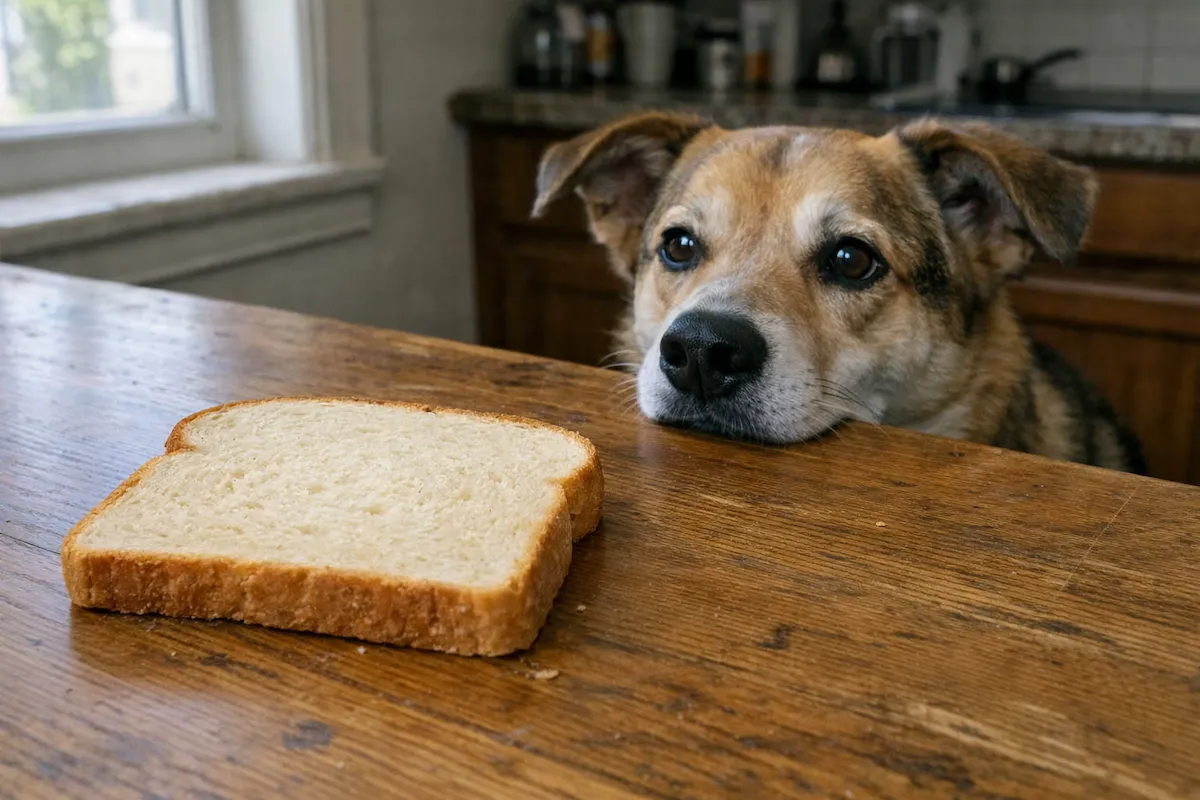
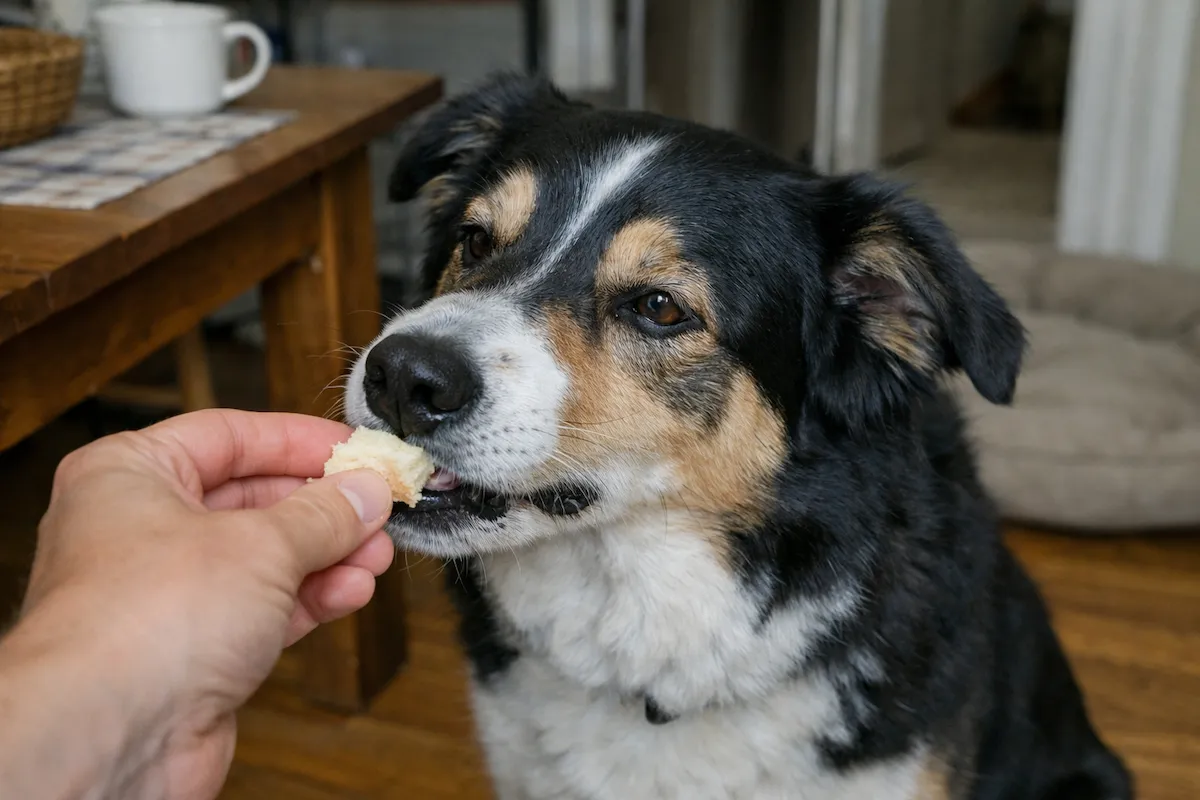
Yes, dogs can eat small amounts of plain bread. It is not toxic and is unlikely to cause harm when given occasionally.
However, bread does not provide meaningful nutritional benefits for dogs. It is primarily a source of carbohydrates and calories.
Bread is safe in moderation, but it is not a necessary or beneficial part of a dog’s diet.
Why Bread Is Not a Good Daily Food for Dogs
Although bread is considered safe in small amounts, it provides little nutritional value for dogs.
- It is mostly made of starch with minimal protein or essential nutrients
- It adds calories without contributing to a balanced diet
- Over time, it may replace more nutritious foods
Is Bread Good for Dogs?
Bread is not harmful in small portions, but it is also not particularly useful nutritionally. Dogs receive most of what they need from balanced dog food.
While bread can serve as an occasional treat, it does not offer significant advantages compared to more nutrient-rich options like blueberries or apples.
Potential Risks of Feeding Bread
Empty Calories
Bread adds calories without providing important nutrients. Regular feeding can contribute to weight gain over time.
Digestive Sensitivity
Some dogs may experience mild digestive issues, especially if bread is given in large amounts or frequently.
Ingredients and Additives
Many types of bread contain ingredients that are not suitable for dogs, such as:
- Garlic or onion powder
- Excess salt
- Sweeteners or artificial additives
- Raisins (which are toxic)
The main risk often comes from added ingredients, not the bread itself — for example, onions and garlic or grapes can be dangerous for dogs.
Hidden Risk: Daily Calories and Weight Gain
One of the most overlooked issues with feeding bread every day is the cumulative effect of extra calories.
- Even a small piece can add significant calories over time
- Daily feeding can gradually lead to weight gain
- Excess weight increases the risk of joint and metabolic problems
Why Some Dogs Should Avoid Bread Completely
- Dogs with grain or wheat sensitivities
- Dogs with diabetes or blood sugar issues
- Dogs with sensitive digestion
Some dogs may show signs like bloating, gas, itching, or soft stool when bread is fed regularly.
Can Dogs Eat Bread Every Day?
Feeding bread daily is not recommended. Even though it is not toxic, regular consumption can lead to unnecessary calorie intake and reduce dietary balance — similar to foods like eggs or cheese, which also require moderation.
Bread is best treated as an occasional snack rather than a routine part of meals.
Hidden Dangers in Everyday Bread
The biggest risks often come not from bread itself, but from how it is prepared.
- Bread with butter, cheese, or spreads adds fat and salt
- Garlic, onions, or raisins can be toxic
- Some low-carb or sugar-free breads may contain xylitol, which is extremely dangerous for dogs
What Types of Bread Are Safer?
If you choose to give bread, the safest option is:
- Plain, white or whole grain bread
- Unseasoned and free from additives
- Given in small portions
Avoid:
- Bread with raisins or chocolate
- Garlic or onion-flavored bread
- Highly processed or sweetened varieties
Can Dogs Eat Raw Dough?
No. Raw bread dough is dangerous for dogs. It can expand in the stomach and produce gas, leading to serious complications.
Raw dough is a medical emergency and should never be given to dogs.
How Much Bread Can a Dog Eat?
Guidelines for occasional feeding:
- Small dogs: very small piece occasionally
- Medium dogs: small piece from time to time
- Large dogs: moderate piece occasionally
Bread should always be a small part of total daily intake.
Moderation keeps occasional treats from becoming a problem.
Signs Bread May Not Suit Your Dog
- Digestive upset
- Gas or bloating
- Changes in appetite
- Weight gain over time
If these signs appear, it is best to limit or avoid bread.
Better Alternatives to Bread
If you want to offer a treat, consider options that provide more value:
- Carrots
- Blueberries
- Apple slices (without seeds)
- Dog-specific treats
Choosing nutrient-rich treats helps support long-term health.
Common Mistakes Owners Make
- Feeding bread daily
- Giving bread with harmful ingredients
- Using bread as a frequent filler food
- Ignoring portion control
Safe foods can still cause problems when used too often.
Final Thoughts
Dogs can eat bread, but it should remain an occasional treat rather than a regular part of their diet.
While a small piece is unlikely to cause harm, it is more beneficial to focus on foods that provide real nutritional value.
When deciding what to share, it is always helpful to ask: Does this support my dog’s overall health — or is it just convenient?
Author: XPETSI Editorial Team