German Shepherds are one of the most respected and widely used guard and protection dogs in the world. They serve in police units, military forces, private security, and family homes across the globe. But what exactly makes German Shepherds such effective guard dogs?
German Shepherd guarding ability is not only about strength or intimidation. It comes from a rare balance of intelligence, emotional awareness, and controlled protective instinct — traits that are deeply connected to the breed’s overall behavioral structure.
Is it their size? Their intelligence? Their loyalty? Or something deeper in their temperament and instincts?
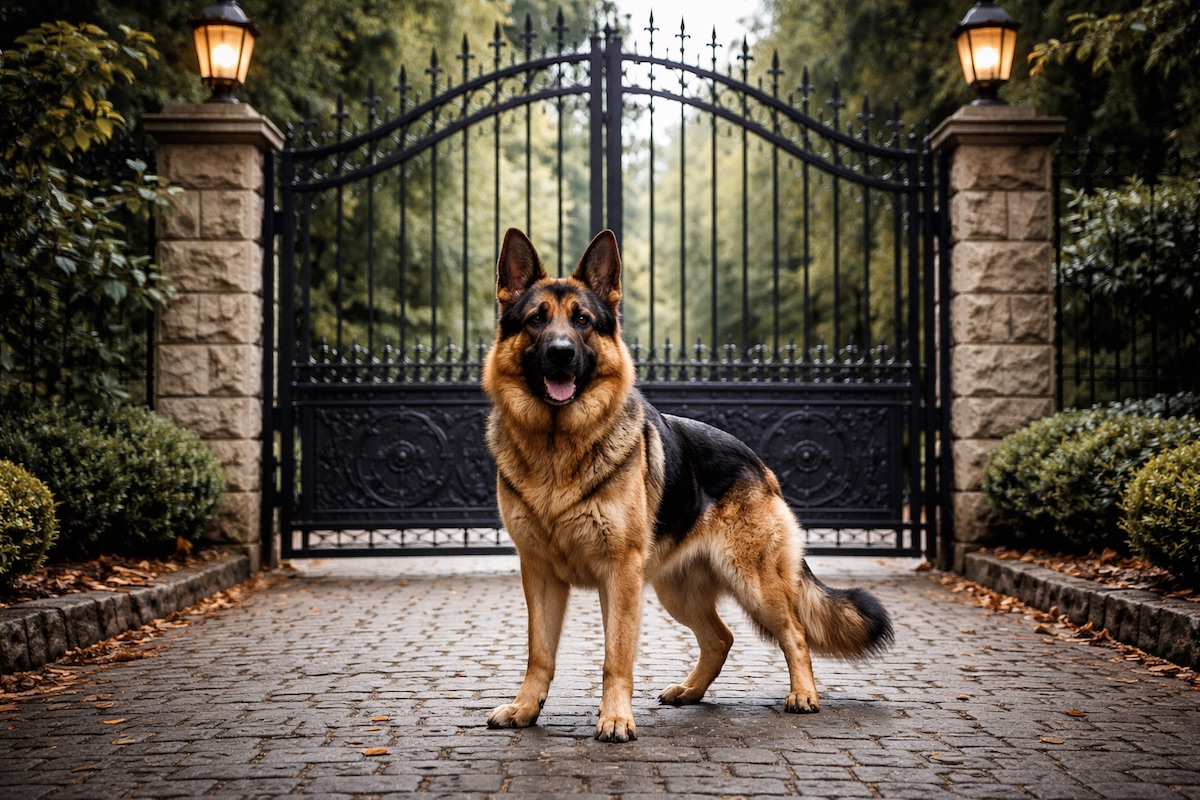
In reality, German Shepherds excel as guard dogs because of a unique combination of physical traits, mental abilities, emotional intelligence, and trainability. Many of these traits are explored in this complete German Shepherd behavior guide, which explains how alertness, confidence, and stability work together.
What Does It Mean to Be a Good Guard Dog?
A true guard dog should be able to:
- Detect potential threats early
- Stay alert and aware of surroundings
- Show controlled protective behavior
- Differentiate between normal and suspicious situations
- Respond confidently without unnecessary aggression
A good guard dog is not an aggressive dog. Uncontrolled aggression is a liability — real protection comes from stability and clear decision-making.
German Shepherds are valued because they combine protection with intelligence and control.
Strong Protective Instincts
German Shepherds were originally bred as working dogs responsible for protecting livestock and assisting handlers. Over generations, this resulted in dogs that are:
- Naturally territorial
- Deeply loyal to their family
- Highly aware of changes in their environment
Many dogs that stay extremely watchful may display patterns similar to constant alert behavior in German Shepherds, where vigilance becomes part of daily life.
Exceptional Intelligence
German Shepherds are consistently ranked among the most intelligent dog breeds. Smart guard dogs assess situations instead of reacting blindly.
- Recognize familiar vs unfamiliar people
- Learn rules and boundaries quickly
- Respond reliably to commands under stress
High Trainability
Guarding alone is not enough — control is essential.
A well-trained German Shepherd can switch between calm family companion and alert guard dog depending on the situation.
Without emotional stability, however, dogs may struggle with focus — which explains why some German Shepherds ignore commands even when they understand them.
Confidence Without Excessive Aggression
Confidence is one of the most important guard dog traits.
Confident guard dogs are calm and controlled, while nervous German Shepherds may react unpredictably under stress.
A confident German Shepherd guards through presence and awareness — not constant tension or fear.
Physical Presence and Athleticism
German Shepherds have an imposing physical presence that contributes to their effectiveness as guard dogs.
- Strong, muscular build
- Powerful bite force
- Excellent endurance
- Speed and agility
Exceptional Alertness and Awareness
German Shepherds constantly monitor sounds, movements, and unfamiliar changes.
In some dogs, this alertness can become excessive if the nervous system is overloaded — a pattern often linked to mental overload in German Shepherds.
Loyalty and Strong Family Bond
German Shepherds form deep emotional bonds with their owners. They guard people, not just territory.
Ability to Differentiate Threats
A good guard dog must know when not to act. With proper training and socialization, German Shepherds can be both protective and socially stable.
German Shepherds as Family Guard Dogs
One of the biggest advantages of German Shepherds is their versatility. They thrive when given structure and purpose.
Dogs that lack clear structure may develop anxiety or tension — issues often reduced when owners build a predictable daily routine.
Do German Shepherds Need Training to Be Good Guard Dogs?
German Shepherds have natural guarding instincts, but training is still essential.
- Solid obedience training
- Clear boundaries
- Proper socialization
Common Myths About German Shepherd Guard Dogs
Myth 1: Guard Dogs Must Be Aggressive
False. The best guard dogs are controlled, confident, and obedient.
Myth 2: German Shepherds Guard Automatically
Instinct exists, but environment and training shape behavior.
Myth 3: Nervous German Shepherds Make Better Guards
Fearful dogs are unpredictable and unsafe as guards.
Potential Downsides to Consider
- High exercise needs
- Mental stimulation requirements
- Sensitivity to poor handling
- Risk of anxiety if under-stimulated
Guarding ability decreases when a German Shepherd becomes anxious or overstimulated. Stability always matters more than intensity.
Are German Shepherds Better Guard Dogs Than Other Breeds?
What sets German Shepherds apart is their balance of protection, trainability, and family compatibility.
What Makes a German Shepherd a Poor Guard Dog?
Even this breed can fail as a guard dog if leadership, structure, or proper breeding are missing.
Final Thoughts
German Shepherds are good guard dogs because they combine intelligence, confidence, loyalty, athleticism, and emotional awareness in a way few breeds can match.
A German Shepherd guarding your home is not acting out of aggression — it’s acting out of purpose.
Author: XPETSI Editorial Team