XPETSI

Why Does My German Shepherd Ignore Commands and What to Do

Dog Breed-Specific Information Dog behavior

German Shepherds are known for their intelligence, loyalty, and trainability. That’s why it can be especially frustrating—and confusing—when your German Shepherd suddenly ignores commands they clearly know. You give a cue they’ve responded to hundreds of times, and instead of obeying, your dog looks away, hesitates, or does something completely different.

If this sounds familiar, you’re not alone. Many German Shepherd owners experience this at some point, even with well-trained dogs. The good news is that ignoring commands is rarely about stubbornness or defiance. In most cases, it’s a communication, motivation, environment, or training issue—and it can be fixed.
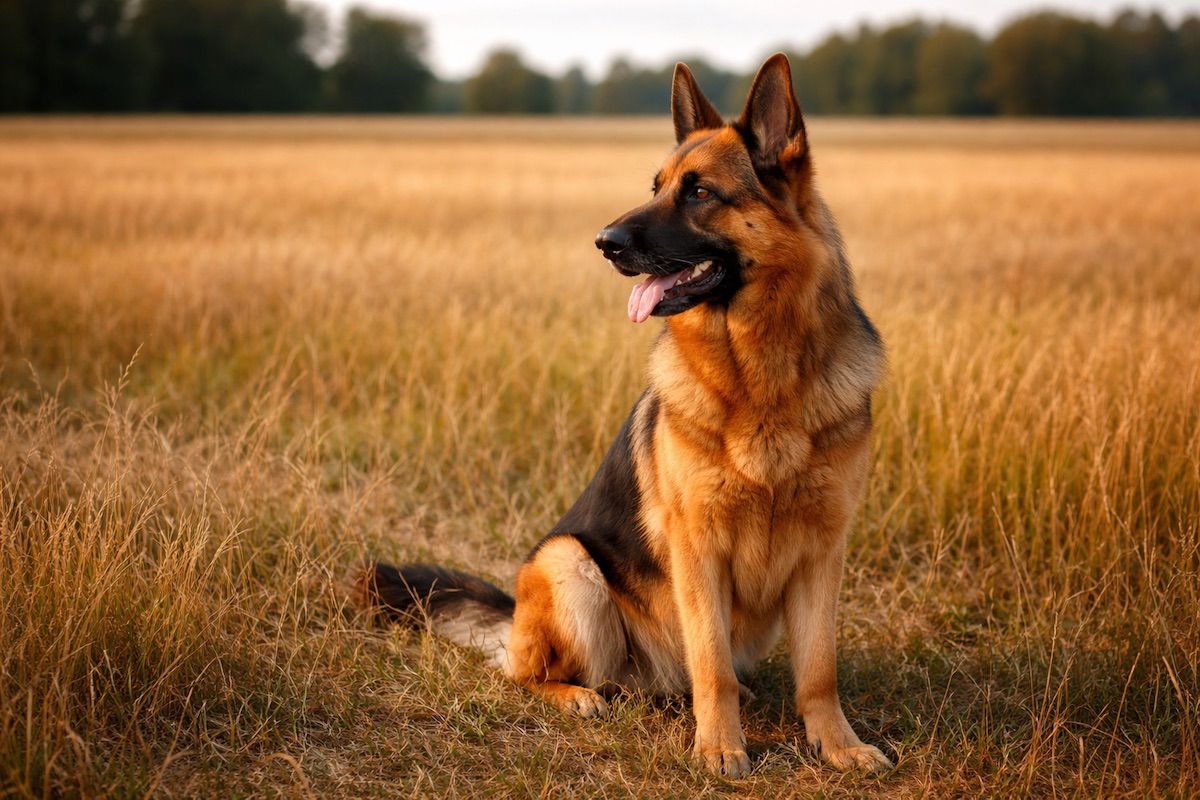
My German Shepherd Ignore Commands

In this guide, we’ll break down why German Shepherds ignore commands, how to identify the real cause, and exactly what to do to regain reliable obedience.


First: Is Your German Shepherd Really Ignoring You?

Before assuming your dog is being disobedient, it’s important to understand what “ignoring” actually means.

Your German Shepherd may appear to ignore commands if they:

  • Hesitate before responding
  • Respond inconsistently
  • Only listen in certain environments
  • Follow commands only when treats are visible
  • Obey one person but not another

In most cases, your dog isn’t refusing—they’re struggling to understand, focus, or feel motivated in that moment.


German Shepherds Are Intelligent—but Sensitive

German Shepherds are highly intelligent working dogs, but they are also emotionally sensitive and environmentally aware.

This combination means they:

  • Notice small changes in tone, posture, and mood
  • React strongly to distractions
  • Require clear, consistent communication
  • Can shut down under pressure or confusion

When a German Shepherd ignores commands, it’s often because something in the situation doesn’t match what they were trained to understand.


Common Reasons German Shepherds Ignore Commands

1. The Command Was Not Fully Learned

Many dogs appear to “know” a command but only understand it in a specific context.

For example, your German Shepherd may sit perfectly:

  • At home
  • In a quiet environment
  • When facing you directly

But fail to respond:

  • Outside
  • Around other dogs
  • When you’re moving

This means the command was not fully generalized. Your dog learned “sit in the living room,” not “sit everywhere.”


2. Too Many Distractions

German Shepherds are alert, observant dogs. Outside stimuli can easily override a verbal command.

Common distractions include:

  • Other dogs
  • People
  • New smells
  • Moving objects
  • Noises

If distractions are stronger than your reinforcement, your dog will choose the environment over you.


3. Inconsistent Training

Inconsistency is one of the biggest reasons dogs stop responding to commands.

This happens when:

  • Commands change (“down” vs “lie down”)
  • Rules aren’t enforced consistently
  • Some family members allow behaviors others don’t
  • Commands are repeated multiple times

If your dog learns that obedience is optional, they’ll respond only when they feel like it.


4. Repeating Commands Too Often

Repeating commands teaches your dog that the first cue doesn’t matter.

For example:

“Sit… sit… SIT!”

Over time, your German Shepherd learns to wait until the third or fourth repetition.

This weakens command reliability and creates slow or selective responses.


5. Lack of Motivation

German Shepherds are driven by:

  • Food
  • Play
  • Praise
  • Purpose

If the reward isn’t valuable enough, your dog may choose not to comply.

This is especially common when:

  • Treats are phased out too quickly
  • Rewards are predictable
  • The dog is tired or overstimulated

6. Adolescence and Boundary Testing

Between 6 and 18 months, German Shepherds go through an adolescent phase.

During this time, they may:

  • Test boundaries
  • Ignore previously learned commands
  • Act impulsively
  • Seem “stubborn”

This is normal development, not a training failure.


7. Stress, Anxiety, or Fear

A stressed or anxious dog cannot focus on obedience.

Stressors may include:

  • New environments
  • Loud noises
  • Unfamiliar people
  • Past negative experiences

In these moments, ignoring commands is a coping response, not disobedience.


8. Physical Discomfort or Health Issues

If your German Shepherd suddenly stops listening, consider physical causes.

Possible issues include:

  • Joint pain
  • Injury
  • Fatigue
  • Hearing loss

A dog in pain may avoid commands that require movement.


How to Tell Why Your German Shepherd Is Ignoring Commands

Ask yourself these questions:

  • Does my dog obey in quiet environments?
  • Does the behavior change outside or around distractions?
  • Has anything changed recently (routine, environment, health)?
  • Am I consistent with commands and rewards?

The pattern usually reveals the cause.


What to Do When Your German Shepherd Ignores Commands

1. Go Back to Basics

Re-teach commands in a low-distraction environment.

  • Use short sessions
  • Reward quickly
  • End on success

Master obedience indoors before moving outside.


2. Proof Commands Gradually

Practice commands in different situations:

  • Different rooms
  • Different times of day
  • Different distances
  • Different positions

Increase difficulty slowly.


3. Use Higher-Value Rewards

Match the reward to the difficulty.

Examples of high-value rewards:

  • Fresh meat treats
  • Favorite toys
  • Playtime
  • Verbal praise combined with touch

Rotate rewards to keep motivation high.


4. Stop Repeating Commands

Say the command once.

If your dog doesn’t respond:

  • Pause
  • Reset the situation
  • Lower the difficulty

This teaches your dog that commands matter the first time.


5. Improve Engagement Before Giving Commands

Make sure your dog is focused before asking for obedience.

Engagement cues include:

  • Eye contact
  • Responsive body language
  • Attention on you

No focus means no obedience.


6. Train Through Distractions

Instead of avoiding distractions, use them strategically.

Start far away from distractions and slowly move closer as your dog succeeds.

This builds real-world reliability.


7. Be Calm, Clear, and Confident

German Shepherds respond best to calm leadership.

Avoid:

  • Yelling
  • Anger
  • Frustration

Confidence builds trust—and trust builds obedience.


What Not to Do

Avoid these common mistakes:

  • Punishing confusion
  • Forcing compliance
  • Using commands when your dog is overwhelmed
  • Expecting perfection too quickly

These damage communication and motivation.


When to Seek Professional Help

Consider working with a trainer or behaviorist if:

  • Your dog shows aggression
  • Obedience worsens despite training
  • Anxiety or fear is involved
  • You feel stuck or overwhelmed

Early help prevents long-term problems.


Can German Shepherds Become Reliable Again?

Yes—absolutely.

German Shepherds thrive on structure, purpose, and clear communication.

With consistent training, proper motivation, and patience, even a dog that ignores commands can regain excellent obedience.


Final Thoughts

When a German Shepherd ignores commands, it’s not a sign of disrespect or stubbornness. It’s a signal that something in the communication, environment, or training needs adjustment.

By understanding why your dog isn’t responding and addressing the root cause, you can rebuild trust, focus, and reliability.

Obedience is not about control—it’s about cooperation. And German Shepherds, when guided correctly, are exceptional partners.

Author: XPETSI Editorial Team


Related Posts:

Why Does My Dog Dig on the Bed Before Lying Down?

Why Does My Dog Dig on the Bed Before Lying Down?

If you’ve ever watched your dog paw, scratch, or “dig” at the bed, blanket, or couch before finally settling down, you might wonder why they do it — especially when the bed is already soft...

Why Dogs Eat Strange Things: Rocks, Dirt, Grass, Objects

Why Dogs Eat Strange Things: Rocks, Dirt, Grass, Objects

Many dog owners are shocked the first time they see their dog chewing on a rock, swallowing dirt, or obsessively eating grass during a walk. These behaviors look strange, unhealthy, and sometimes dangerous. Yet for...

Is It Normal for German Shepherds to Be Nervous?

Is It Normal for German Shepherds to Be Nervous?

German Shepherds are widely known for their confidence, intelligence, and courage. They are often used as police dogs, service dogs, military dogs, and loyal family protectors. Because of this reputation, many owners become concerned when...