If your dog suddenly starts digging, pawing or “nesting” on the couch, you’re not alone. This behavior may look funny at first — but it can also be confusing and sometimes destructive. Dogs dig furniture for several instinctive, emotional or environmental reasons, and understanding the cause is the key to stopping it.
This guide explains the most common reasons behind sudden couch-digging and what you can do to manage and prevent the behavior safely.

Why Dogs Dig the Couch: The Most Common Reasons
1. Natural Nesting Instincts
Before dogs had soft beds, they created nests by scratching or digging the ground. Modern dogs can repeat the same behavior on couches, blankets or pillows — especially before resting.
Trying to soften the sleeping spot
Making the couch feel “just right”
Creating a warm or safe den
2. Anxiety or Stress
Dogs may suddenly dig the couch when they feel nervous or overstimulated. Digging becomes a coping mechanism that helps release tension.
Common triggers include:
Loud noises (thunder, fireworks, traffic)
New people or pets in the home
Owner leaving the house
Changes in routine
3. Boredom or Under-Stimulation
A bored dog quickly finds ways to entertain themselves — digging is fun, engaging and physically stimulating.
Dogs lacking mental and physical enrichment often target soft surfaces.
4. Excess Energy
If your dog hasn’t had enough exercise, pent-up energy can show up as digging, chewing or pacing. The couch becomes an easy and satisfying outlet.
5. Attention-Seeking Behavior
Dogs quickly learn what gets your attention. If digging the couch makes you react — even with a scolding — the behavior may repeat.
Your dog may be saying: “Look at me! I need something!”
6. Separation Anxiety
Dogs with separation anxiety often exhibit destructive behaviors when alone. Digging furniture becomes a stress-driven attempt to comfort themselves.
7. Scent-Marking & Territory
Dogs have scent glands in their paws. Scratching or digging the couch can be a way of marking territory — especially if another animal lives in the home.
8. Trying to Reach Crumbs or Smells
Couches absorb smells from food, people, other pets and even outdoor scents. Dogs may dig to uncover “hidden treasures.”
9. Temperature Preferences
Dogs dig to cool down or warm up. Sofas provide layers they can rearrange to regulate comfort.
10. Digging as Play
For some breeds — especially terriers, dachshunds, huskies and shepherds — digging is simply fun.
If your dog digs during playtime or when excited, it may be harmless instinctive behavior.
Common Triggers & What They Mean
| Trigger | What It Means | Typical Behavior |
|---|---|---|
| Boredom | Lack of stimulation | Energetic digging, barking, restlessness |
| Anxiety | Stress or insecurity | Frantic digging, whining, pacing |
| Nesting instinct | Preparing a resting spot | Slow pawing before lying down |
| Scent attraction | Food crumbs or familiar smells | Nose pushing, targeted scratching |
| Attention-seeking | Dog wants engagement | Digging while looking at owner |
| Breed-driven behavior | Natural digging instinct | Terriers/herding dogs digging often |
How to Stop Your Dog From Digging the Couch
1. Increase Daily Exercise
A tired dog has less motivation to dig. Add more walks, fetch sessions or playtime to reduce excess energy.
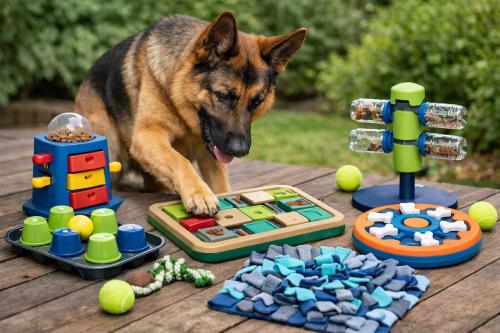
2. Add Mental Enrichment
Snuffle mats
Puzzle feeders
Interactive toys
Training sessions
Mental stimulation can be as effective as physical exercise.
3. Provide a Comfortable Dog Bed
If your dog digs to “make a nest,” give them a soft, warm bed they can rearrange safely.
4. Keep the Couch Clean & Crumb-Free
Vacuuming and removing food scents reduces digging urges.
5. Redirect the Behavior
When your dog starts digging, gently guide them to a blanket, bed or toy instead of punishing them.
6. Use Protective Couch Covers
If the digging is mild, covers can protect furniture while you work on training.
7. Reduce Anxiety Triggers
Calming routines, predictable schedules, pheromone diffusers and safe spaces can help anxious dogs.
8. Avoid Punishment
Punishment increases stress and may worsen digging. Reinforce calm behavior instead.
When Couch-Digging Is Not Normal
In some cases, digging indicates a deeper problem that requires attention.
| When Digging Becomes a Problem | Possible Meaning | What to Do |
|---|---|---|
| Dog digs frantically or nonstop | High anxiety or panic | Consult trainer or vet |
| Digging only happens when left alone | Separation anxiety | Gradual desensitization training |
| Dog growls or guards the couch | Resource guarding or fear | Behavior modification needed |
| Digging damages paws or nails | Overgrooming or obsessive behavior | Immediate vet evaluation |
| Dog suddenly starts digging after trauma | Stress response | Provide safe spaces + calming aids |
FAQ About Dogs Suddenly Digging the Couch
Is couch-digging normal behavior in dogs?
Yes. Many dogs occasionally dig at soft surfaces like couches, beds, or blankets. It’s a natural instinct connected to nesting, comfort-seeking, scent-marking, or excess energy. However, if the behavior becomes frequent or destructive, it may signal stress or boredom.
Why do dogs dig the couch instead of their bed?
Dogs choose the couch because it smells strongly like their owners, feels soft, holds warmth, and often sits in a central part of the home. This makes the couch feel like a “safe” or comforting space, especially during moments of stress or excitement.
Can separation anxiety cause my dog to dig the couch?
Absolutely. Dogs with separation anxiety often redirect their stress into digging, chewing, pacing, or vocalizing. If the digging happens mostly when you leave or right before you leave, anxiety may be the root cause.
Is my dog digging the couch because of boredom?
Yes — boredom is one of the most common triggers. When dogs lack mental or physical stimulation, they seek activities that feel rewarding or soothing. Digging gives them an outlet for trapped energy.
Could health issues cause couch-digging?
In some cases, yes. Pain, itching, or discomfort from allergies, parasites, or skin conditions may cause dogs to dig or scratch soft surfaces. If the behavior comes with licking, biting, or skin irritation, a vet visit is recommended.
How do I stop my dog from digging the couch?
Identify the trigger first. Provide a designated digging outlet (like a blanket pile), increase exercise, add enrichment toys, maintain consistent routines, and block access to the couch during training. Positive reinforcement works far better than punishment.
Is it OK to let my dog dig in blankets but not on the couch?
Yes. Give your dog a specific spot where digging is allowed — such as a comfy dog bed, a soft blanket, or a “nesting corner.” Reward your dog when they use the approved area instead of the couch.
Will punishing my dog stop couch-digging?
No. Punishment often increases anxiety and can make digging worse. Positive reinforcement and redirection are far more effective and help build trust rather than fear.
Why does my dog dig only when excited?
This is an instinctive energy release. Many dogs dig or scratch surfaces before play, feeding, or walks because they need an outlet for excitement. It’s a harmless behavior unless it becomes destructive.
When should I seek professional help?
If digging becomes obsessive, destructive, constant, or paired with anxiety, fear, or aggression. A vet, trainer, or behaviorist can help rule out medical issues and design a personalized behavior plan.
When Couch-Digging Becomes a Problem
| Warning Sign | What It Might Indicate | What You Should Do |
|---|---|---|
| Persistent digging every day | Unmet physical or mental stimulation | Increase daily exercise, enrichment toys, structured play |
| Digging paired with whining or pacing | Separation anxiety or stress | Create calm routines, avoid long alone periods, consult trainer |
| Destructive tearing of fabric and cushions | Compulsive behavior or frustration buildup | Redirect to chew toys, introduce calming activities, increase training |
| Digging only when you leave the room | Attention-seeking behavior | Ignore the behavior, reward calmness, reinforce independence training |
| Digging combined with barking or growling | Territorial or protective response | Limit window access, block triggers, practice impulse control |
| Digging focused on one specific spot | Scent attraction, infestation, or hidden crumbs | Deep-clean upholstery, check for pests, use scent-neutralizing spray |
| Dog digs at night or early morning | Restlessness, lack of routine or temperature discomfort | Improve bedtime routine, ensure comfy bed, adjust room temperature |
| Sudden couch-digging in senior dogs | Cognitive decline or discomfort | Consult veterinarian, rule out pain, adjust daily activities |
| Dog refuses to stop when redirected | High anxiety or under-socialization | Structured desensitization training, calming aids, professional help |
| Digging paired with panting or drooling | Severe stress, fear-based reaction | Identify trigger, remove stressor, use positive reinforcement for calmness |
Final Thoughts
Sudden couch-digging isn’t random — it’s your dog communicating comfort needs, stress, instinct or boredom. By understanding the cause and providing alternatives, you can keep your furniture safe while helping your dog feel secure and fulfilled.
With the right mix of training, exercise, enrichment and gentle redirection, most dogs outgrow the behavior quickly.
Author: XPETSI Editorial Team