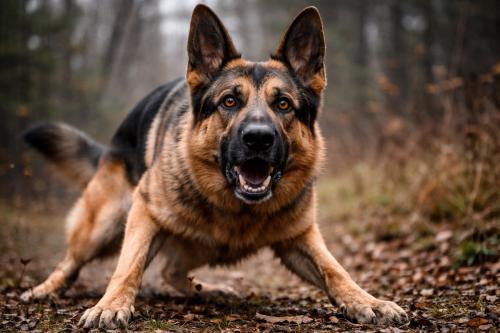
German Shepherds are known for their intelligence, focus, and strong work ethic. But the same traits that make them incredible companions can also make them vulnerable to one hidden problem many owners don’t recognize right away: mental overload. When a German Shepherd becomes mentally overloaded, the dog may look energetic on the outside while internally struggling to cope with constant pressure.
Mental overload does not always look dramatic. Many German Shepherds appear restless, distracted, or “overexcited” when they are actually overwhelmed and unable to switch off.
This article explains the most common signs that your German Shepherd is mentally overloaded, why this happens more often than people think, how to distinguish overload from normal high energy, and what you can do to help your dog regain balance. For a broader overview of how anxiety, overstimulation, routine, and behavior patterns connect, see the complete German Shepherd behavior guide.
What Does Mental Overload Mean in Dogs?
Mental overload happens when a dog receives more stimulation, expectations, or environmental pressure than they can comfortably process. German Shepherds are particularly prone to this because they are highly observant and constantly aware of their surroundings.
Overload is not caused by one single activity. Instead, it builds over time through:
- Constant training without recovery
- Unpredictable daily routines
- Too much environmental stimulation
- Lack of structured rest
- Emotional tension in the household
Many owners believe they are doing everything right by providing exercise and engagement, yet the dog becomes more reactive instead of calmer. That is often the first hint that stimulation has crossed into overload.
Why German Shepherds Are Especially Vulnerable
German Shepherds were bred to monitor, assess, and respond. Their brains are always active, scanning for changes and interpreting signals from the environment.
This constant awareness means they:
- Process more information than many other breeds
- React quickly to small changes
- Struggle with chaotic or unpredictable routines
- Need clear boundaries between activity and rest
High intelligence does not mean unlimited resilience. Without structure, a smart dog often becomes overwhelmed faster than a calmer, less sensitive breed.
When stimulation exceeds the dog’s ability to recover, the nervous system remains in a heightened state. Over time, this can lead to anxiety-like behavior, reduced focus, and emotional instability.
Early Signs Your German Shepherd Is Mentally Overloaded
1. Difficulty Settling Down
One of the earliest signs is an inability to relax even after exercise. The dog may lie down briefly, then get up again, reposition constantly, or watch the environment instead of resting.
This is often mistaken for excess energy, but many owners notice improvement only after reducing intensity rather than increasing it.
2. Constant Alertness at Home
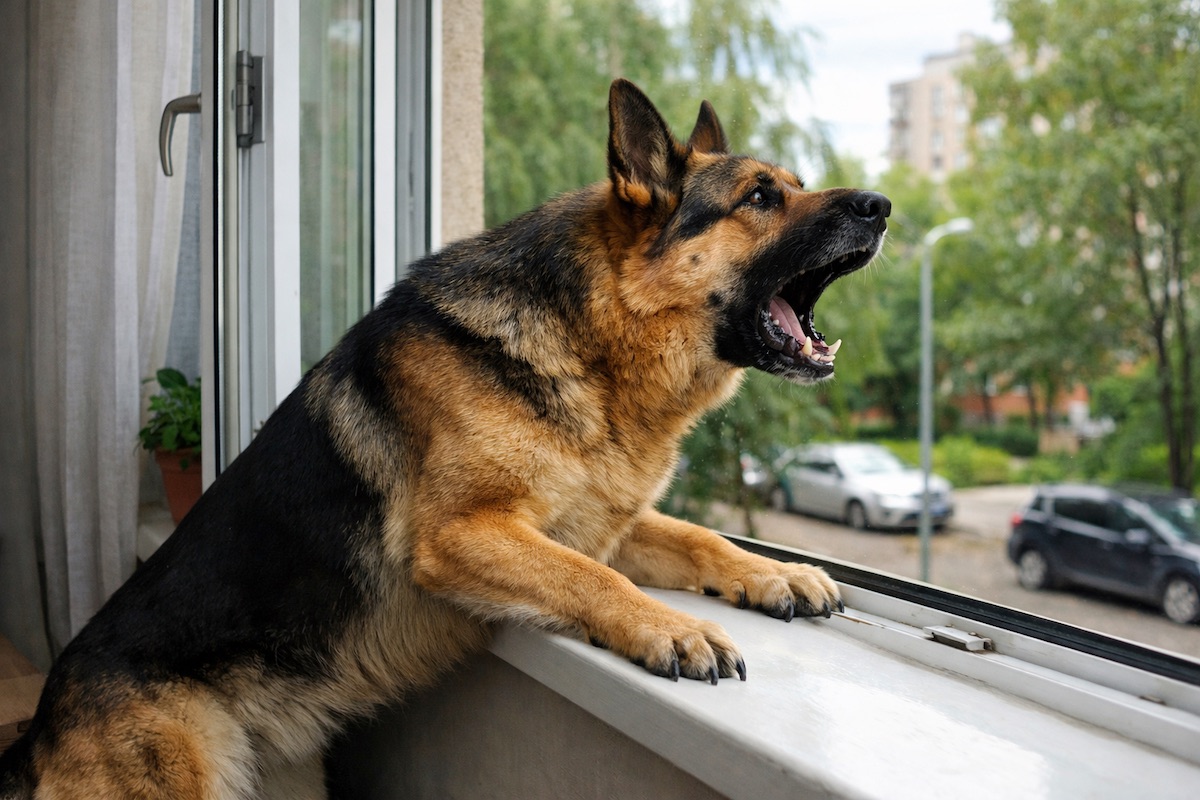
A mentally overloaded German Shepherd often reacts to every sound or movement — footsteps in the hallway, distant noises, or small environmental changes.
If your dog seems “on duty” all day inside the house, it may be a sign that their nervous system never fully powers down.
This behavior is frequently linked to the same patterns discussed in persistent anxiety in German Shepherds, where overstimulation plays a major role.
3. Increased Vocalization
Whining, sighing, or restless vocal sounds often appear when a dog feels internal tension. The dog may not want anything specific — it simply cannot settle.
Many owners assume whining means boredom, but overload-related vocalization tends to continue even after walks or play sessions. You can see how this connects in common causes of excessive whining.
4. Loss of Focus During Training
A mentally balanced German Shepherd usually becomes more focused with training. A mentally overloaded dog often shows the opposite pattern — distraction increases, commands are ignored, and frustration builds.
This may look like stubbornness, but it is often cognitive fatigue rather than disobedience.
5. Overreaction to Normal Situations
Another strong indicator is exaggerated reactions to everyday events. The dog may bark suddenly, startle easily, or become tense during routine walks.
When reactions grow bigger while training intensity increases, it’s often a sign that the dog needs less pressure — not more correction.
6. “Tired but Wired” Behavior
Perhaps the clearest sign of mental overload is when a dog appears physically exhausted but emotionally unable to relax. Owners often describe this as their German Shepherd being hyper even after long exercise sessions.
This pattern is closely connected to the difference between overstimulation and lack of exercise, which can look similar but require opposite solutions.
Mental overload is not about having a “bad” dog. It happens when stimulation exceeds recovery — and recognizing this early often prevents long-term behavior issues.
Mental Overload vs Healthy Engagement
| Behavior | Healthy Engagement | Mental Overload |
|---|---|---|
| Energy Level | Focused and purposeful | Scattered and restless |
| After Exercise | Calms down gradually | Becomes more reactive |
| Training Response | Improves with practice | Focus declines |
| Rest Behavior | Can relax alone | Constant monitoring |
Understanding this difference helps prevent one of the biggest mistakes owners make: trying to “fix” overload with even more stimulation.
Common Causes Owners Overlook
Too Many High-Intensity Activities
Long fetch sessions, fast-paced training, and constant social interaction can create continuous nervous system activation without recovery time.
Unclear Daily Structure
German Shepherds relax more easily when they know what happens next. Random schedules create constant anticipation. Many dogs improve dramatically once owners establish a predictable daily routine.
Emotional Pressure From the Environment
Dogs absorb tension from their surroundings. Busy households, frequent changes, or inconsistent handling can gradually increase mental load.
Too Much Mental Work Without Breaks
Mental stimulation is essential — but excessive training or constant problem-solving can become overwhelming. Balance matters more than quantity.
Short, calm mental exercises followed by real rest are far more effective than long, intense training sessions repeated throughout the day.
Finding the right balance is key, which is why many owners benefit from understanding how much mental stimulation a German Shepherd actually needs each day.
How to Help a Mentally Overloaded German Shepherd
Reduce Intensity Before Increasing Activity
Instead of adding more exercise, try simplifying the routine for a few days. Replace high-energy play with calm walks and structured engagement.
Introduce Predictable Rest Periods
Encourage uninterrupted downtime in a quiet space. Many dogs need permission to switch off.
Focus on Calm Training
Slow obedience work, scent games, and low-arousal activities help reset the nervous system.
Watch Your Own Energy
Clear, calm handling often reduces tension faster than complex training techniques.
When mental overload decreases, many “behavior problems” fade naturally — not because the dog is forced to behave, but because their nervous system finally feels safe enough to relax.
When to Seek Professional Guidance
If your German Shepherd shows escalating anxiety, aggression, or extreme reactivity, professional help may be necessary.
- A qualified dog trainer familiar with working breeds
- A veterinary behaviorist
- Your veterinarian to rule out medical causes
Early support prevents long-term stress patterns from becoming deeply ingrained.
Final Thoughts
Mental overload is not a sign of a “difficult” German Shepherd — it is often a sign of a dog trying to cope with too much stimulation and too little clarity.
By recognizing early warning signs and adjusting daily structure, owners can help their dogs return to a calmer, more focused state. Instead of asking how to keep a German Shepherd constantly busy, a better question might be: does my dog have enough space in their day to truly switch off?
Author: XPETSI Editorial Team