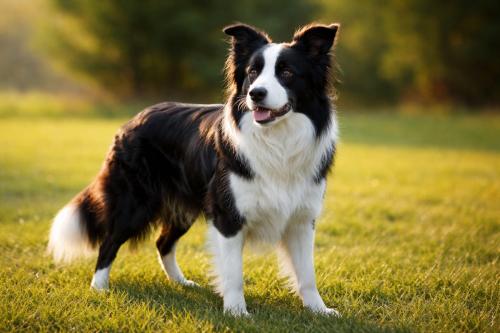
German Shepherds are widely known for their confidence, intelligence, and courage. They are often used as police dogs, service dogs, military dogs, and loyal family protectors. Because of this reputation, many owners become concerned when their German Shepherd appears nervous, anxious, or easily startled.
Mild nervousness in German Shepherds is not always a problem. Because the breed is highly observant and emotionally responsive, cautious behavior can be part of a healthy temperament — especially when the dog is processing new information.
If your German Shepherd seems jumpy, worried, or tense in certain situations, you may wonder: Is this normal, or is something wrong?
The short answer is yes — it can be completely normal for German Shepherds to show nervous behavior. However, the reasons behind that nervousness matter. Many patterns connected to alertness, anxiety, and overstimulation are explained in this German Shepherd behavior guide, which looks at how different behavioral signals connect together.

Understanding the German Shepherd Temperament
German Shepherds are highly intelligent, emotionally aware, and deeply bonded to their owners. These traits make them excellent working dogs — but they also make them more sensitive than many people expect.
- Extremely observant of their environment
- Highly responsive to human emotions
- Strongly bonded to their family
- Naturally alert and watchful
This combination means they are quick to notice changes, potential threats, and unfamiliar situations. Nervousness is often a byproduct of awareness, not weakness. Dogs that stay constantly alert may show similar patterns discussed in constant alert behavior in German Shepherds.
Is Nervousness Normal in German Shepherds?
Yes — to a certain degree.
German Shepherds are not naturally carefree or reckless dogs. They are bred to think, assess, and respond. Mild nervousness or caution is often a sign of:
- High intelligence
- Strong protective instincts
- Environmental sensitivity
Occasional nervousness in new environments is normal. Constant tension, inability to relax, or avoidance behaviors may indicate deeper anxiety patterns.
Occasional nervousness in unfamiliar situations is normal. Constant anxiety or fear that interferes with daily life is not.
Common Signs of Nervousness in German Shepherds
- Pacing or restlessness
- Excessive alertness
- Tucked tail or stiff posture
- Flattened ears
- Yawning or lip licking when not tired or hungry
- Whining or quiet vocalization
- Hesitation in new environments
- Clinginess toward the owner
Dogs that vocalize frequently may also display patterns explained in stress-related whining behavior.
Why German Shepherds Are Prone to Nervousness
1. High Intelligence and Awareness
German Shepherds process information constantly. They notice details many other dogs ignore.
2. Strong Protective Instincts
German Shepherds are natural guardians and may appear tense when evaluating unfamiliar situations.
3. Sensitivity to Human Emotions
German Shepherds are extremely sensitive to their owner’s emotional state.
4. Genetics and Breeding
Genetic temperament and breeding quality strongly influence confidence levels.
5. Lack of Proper Socialization
Without early socialization, dogs may become overwhelmed in new environments.
Normal Nervousness vs Problematic Anxiety
It’s important to distinguish between normal caution and a real issue.
Normal nervousness
- Appears in new or unfamiliar situations
- Improves with reassurance
- Does not interfere with daily life
- Does not escalate over time
Problematic anxiety
- Occurs frequently or constantly
- Leads to avoidance or shutdown
- Causes destructive or aggressive behavior
- Gets worse instead of better
Ongoing nervousness can affect obedience, which explains why German Shepherds ignore commands even when they seem well trained.
German Shepherd Puppies and Nervousness
It is very common for German Shepherd puppies to appear nervous during natural fear periods.
Adolescence and Nervous Behavior
German Shepherd adolescents often show inconsistent confidence as they mature.
Can Health Issues Cause Nervousness?
Physical discomfort can increase anxiety and should always be considered if behavior changes suddenly.
How to Help a Nervous German Shepherd
1. Provide Structure and Routine
Predictability reduces anxiety. Many owners notice improvement after building a structured daily routine that balances activity and rest.
2. Build Confidence Through Training
Positive, reward-based training builds confidence through success.
3. Gradual Exposure to New Situations
Introduce new environments slowly and reward calm behavior.
4. Stay Calm and Consistent
Your emotional state strongly influences your dog’s reactions.
5. Ensure Adequate Physical and Mental Exercise
A balanced mix of activity and mental engagement supports emotional stability.
Confidence in German Shepherds grows when structure, calm leadership, and gradual exposure work together — not from forcing the dog to face overwhelming situations.
What Not to Do With a Nervous German Shepherd
- Do not punish fear-based behavior
- Do not force exposure
- Do not label your dog as “weak”
- Do not ignore worsening anxiety
When to Seek Professional Help
Consider professional support if nervousness escalates into aggression or prevents normal daily life.
Final Thoughts
German Shepherds are thoughtful, sensitive, and deeply connected dogs. Mild nervousness often reflects intelligence and awareness, not a flaw.
With proper training, structure, and emotional support, most German Shepherds grow into confident, stable companions.
Author: XPETSI Editorial Team