German Shepherds are known for their alert nature. They notice small sounds, movements, and changes long before most other dogs react. But many owners begin to wonder where the line is between healthy awareness and constant stress. If your German Shepherd seems unable to relax, watches everything around them, or reacts to every noise, you may be asking the same question: is this normal behavior — or a sign of deeper tension?
Alertness is part of the German Shepherd’s nature, but constant vigilance without recovery can slowly turn into chronic stress.
This article explains why German Shepherds tend to stay alert, how to tell the difference between healthy awareness and nervous overload, what signs suggest your dog is struggling internally, and what helps restore balance. For a broader overview of how anxiety, overstimulation, routine, and behavior patterns connect, see the complete German Shepherd behavior guide.
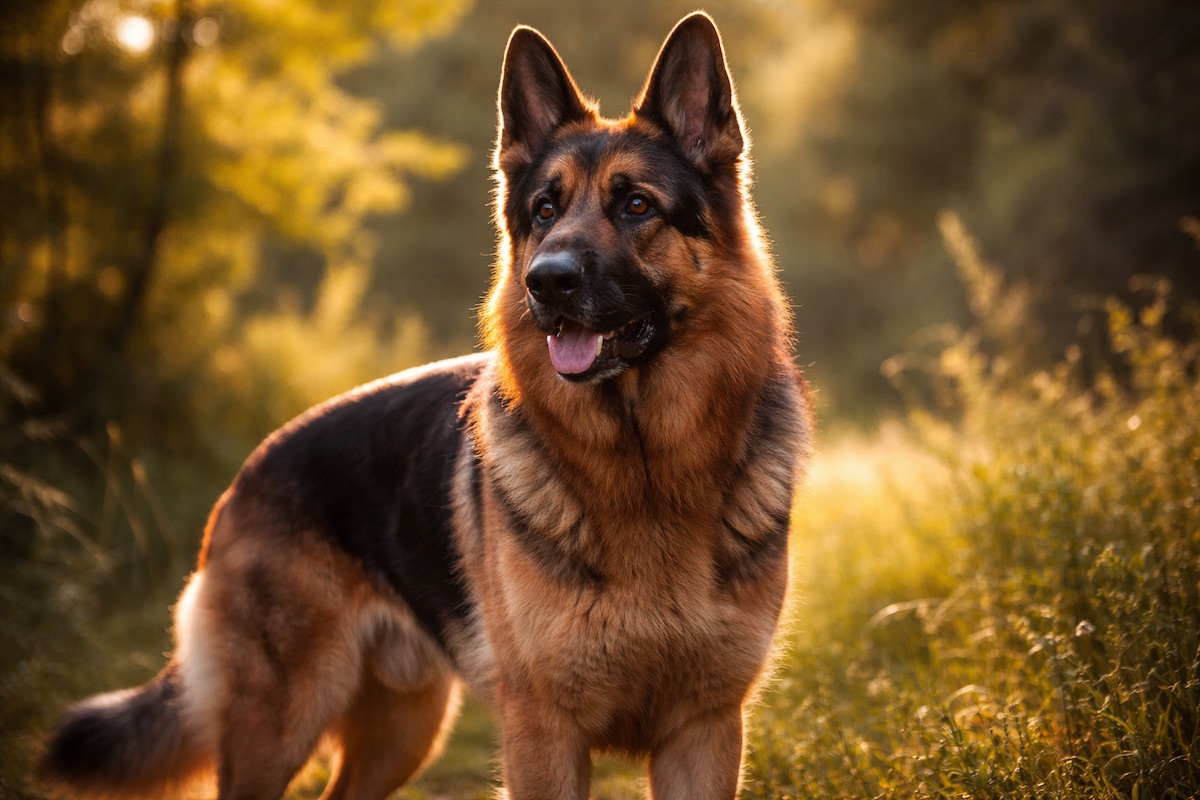
Why German Shepherds Are Naturally Alert
German Shepherds were originally bred for herding, guarding, and working closely with humans. Their role required them to observe their environment continuously, anticipate change, and react quickly when needed.
This history explains why many German Shepherds:
- Watch doors and windows
- React to unfamiliar sounds
- Follow movement around the house
- Remain aware even during rest
In a balanced state, alertness helps the dog feel purposeful and engaged. The problem begins when alertness never turns off.
A dog that stays alert all day is not necessarily confident — often it means the nervous system does not feel safe enough to relax.
Not all alert behavior is a problem. The key difference is whether your German Shepherd can return to a relaxed state after checking their environment.
Normal Alertness vs Constant Vigilance
Healthy alertness comes and goes. A dog notices something, checks the situation, then returns to a relaxed state. Stress-driven vigilance looks different.
| Behavior | Normal Alertness | Stress-Driven Alertness |
|---|---|---|
| Reaction to noise | Looks briefly, then relaxes | Remains tense for long periods |
| Body posture | Soft and flexible | Rigid or frozen |
| Ability to rest | Falls asleep easily | Wakes frequently |
| Focus during walks | Responsive to owner | Constant scanning |
If your dog rarely settles even in familiar environments, the alertness may be linked to internal stress rather than natural curiosity.
Signs Your German Shepherd’s Alertness May Be Stress-Related
1. Watching Everything Constantly
A dog that tracks every movement, follows sounds from room to room, or struggles to lie down fully may be experiencing mental overload rather than simply being observant.
This pattern is often connected to mental overload in highly intelligent dogs, where the brain stays active long after activity ends.
2. Reacting to Small Sounds
If your German Shepherd startles at everyday noises — a phone vibration, distant footsteps, or subtle movement — it may indicate heightened sensitivity caused by stress or overstimulation.
3. Difficulty Relaxing Indoors
Many owners notice their dog lies down but never truly settles. The ears remain upright, the eyes scan the room, and the dog seems ready to respond at any moment.
True relaxation in a German Shepherd often includes deep breathing, loose body posture, and long periods of uninterrupted rest.
4. Ignoring Commands Outside
When alertness turns into overload, the dog may struggle to focus during walks. Commands that work perfectly at home suddenly stop working outdoors.
This doesn’t mean the dog forgot training. Often, environmental pressure simply becomes stronger than the dog’s ability to process information. This pattern is explored further in why obedience breaks down in stimulating environments.
5. Increased Vocalization
Whining or quiet vocal sounds may appear when the dog feels internally tense. Some German Shepherds vocalize not because they want attention, but because they cannot switch off mentally.
Many owners notice the same connection described in common causes of excessive whining, where constant alertness plays a major role.
Common Causes of Constant Alertness
Unpredictable Daily Structure
When walks, feeding, and training happen at random times, the dog stays in a state of anticipation. Instead of relaxing between activities, the brain remains active all day.
Establishing a structured daily routine often reduces excessive alertness surprisingly quickly.
Too Much High-Intensity Activity
Many owners try to calm an alert dog by increasing exercise. In reality, too much stimulation can keep the nervous system on edge.
More activity does not always equal more calm. Some German Shepherds need less intensity and more predictable recovery.
Lack of Mental Direction
German Shepherds need purposeful engagement. Without clear tasks, their natural awareness turns into constant monitoring of the environment.
Emotional Feedback From the Owner
Dogs mirror human tension. If the household feels chaotic or stressful, the dog may remain alert in an attempt to compensate.
How to Help an Always-Alert German Shepherd Relax
Create Clear Transitions Between Activity and Rest
Signal when engagement ends. Calm routines after walks or training help the dog understand it’s safe to relax.
Reduce High-Arousal Games Temporarily
Replace intense fetch sessions with calm walking or scent work.
Reward Relaxed Behavior
Many owners accidentally reward excitement but ignore calmness. Reinforce moments when your dog chooses to settle.
Build Predictable Patterns
Consistency lowers the need for constant vigilance.
Start small: one calm walk, one short mental task, and one uninterrupted rest period each day. Many German Shepherds show visible improvement when their routine becomes predictable.
When Alertness Might Be Medical
If your dog suddenly becomes hyper-alert without changes in routine, consider physical causes such as pain, discomfort, or sensory issues. Sudden behavioral shifts should always be discussed with a veterinarian.
Final Thoughts
Healthy alertness helps a German Shepherd feel purposeful. Constant vigilance, however, often signals that the dog’s nervous system is working too hard for too long.
Understanding the difference between natural awareness and stress-driven alertness allows owners to adjust routines before anxiety develops. When structure becomes clearer and stimulation becomes more balanced, many German Shepherds learn to relax — without losing the confident awareness that makes them special.
Author: XPETSI Editorial Team