German Shepherds are often described as confident, brave, and protective dogs. Because of their widespread use in police work, security, and guarding roles, many people expect them to be naturally calm and fearless in all situations. That’s why owners are often surprised—or worried—when their German Shepherd appears nervous, tense, or uncomfortable around strangers.
Reserved behavior around strangers is not a flaw in German Shepherd temperament. In many cases, it reflects controlled awareness — a key part of the breed’s working heritage and emotional intelligence.
If your dog stiffens when unfamiliar people approach, avoids eye contact, barks cautiously, or stays close to you, you may wonder: Is this normal behavior for a German Shepherd, or is it a problem?
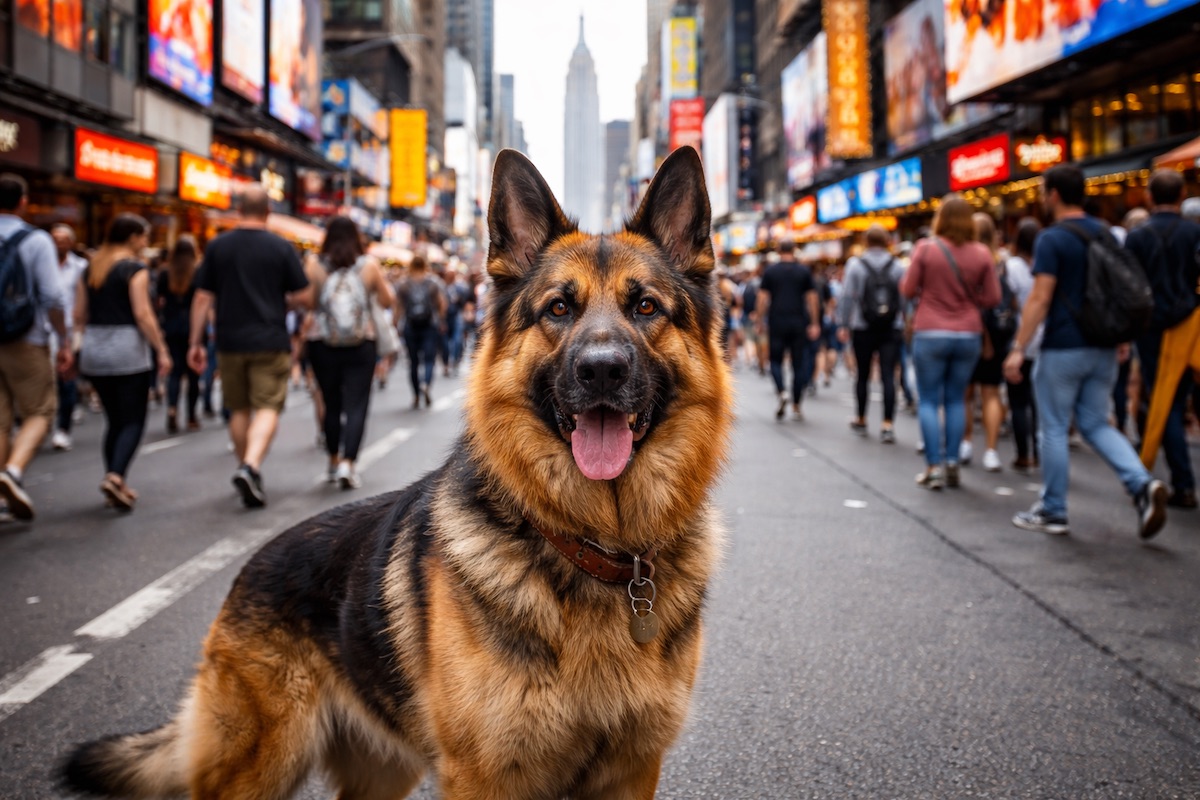
The short answer is yes — it is very common and often normal for German Shepherds to be nervous around strangers. Many of these behavioral patterns are explained in this complete German Shepherd behavior guide, where alertness, caution, and confidence are discussed in depth.
German Shepherd Temperament and Strangers
German Shepherds were bred to be working dogs with strong bonds to their handlers. Unlike naturally social breeds that greet everyone with enthusiasm, German Shepherds tend to be reserved, observant, and cautious.
- Watch strangers before engaging
- Assess body language and intent
- Stay close to their owner in unfamiliar situations
- React defensively rather than immediately friendly
This reserved nature is not a flaw. It is part of what makes German Shepherds excellent guardians and loyal companions.
Is Nervousness Around Strangers Normal for German Shepherds?
Yes — mild nervousness or caution around strangers is normal for many German Shepherds.
- Standing alert when someone new approaches
- Watching from a distance before relaxing
- Hesitating to accept petting
- Staying close to their owner
Healthy caution is different from fear. A stable German Shepherd observes first, then decides — rather than reacting impulsively.
Why German Shepherds Are Often Nervous Around Strangers
1. Strong Protective Instincts
German Shepherds are naturally protective of their family and territory. Many dogs display behaviors similar to constant alertness patterns, where vigilance becomes part of their daily mindset.
2. High Sensitivity and Awareness
German Shepherds are highly perceptive dogs. They notice subtle changes in tone, posture, movement, and facial expression. For sensitive dogs, this level of information can create tension until safety is established.
3. Loyalty and Strong Owner Bond
German Shepherds form deep attachments to their owners. This emotional bond often explains why they remain reserved around unfamiliar people.
4. Lack of Early Socialization
If early exposure was limited, adult dogs may feel unsure around strangers. This uncertainty is often connected to broader emotional patterns, including general anxiety in German Shepherds that develops from routine imbalance or overstimulation.
5. Genetic Temperament
Well-bred German Shepherds tend to be stable and confident, while poor breeding can increase fearfulness or anxiety.
Normal Caution vs Problematic Fear
Normal nervousness around strangers
- Dog remains under control
- Recovers quickly once reassured
- Does not escalate over time
- Can relax after initial hesitation
Problematic fear or anxiety
- Intense shaking or panic
- Persistent avoidance or hiding
- Growling, snapping, or lunging
- Fear that worsens instead of improving
If nervousness begins affecting obedience or focus, it may overlap with situations where German Shepherds stop responding to commands under emotional pressure.
German Shepherd Puppies and Stranger Nervousness
German Shepherd puppies often go through natural fear periods. Calm guidance and positive exposure help prevent long-term insecurity.
Why Some German Shepherds Are Nervous but Not Aggressive
Nervousness does not automatically mean aggression. Many dogs choose observation instead of confrontation.
Avoid labeling cautious behavior as aggression. Misinterpreting normal restraint can lead to unnecessary pressure and worsen insecurity.
How to Help a German Shepherd Feel Comfortable Around Strangers
1. Do Not Force Interaction
Let your German Shepherd decide when to engage.
2. Use Controlled, Positive Exposure
Introduce strangers calmly and reward relaxed behavior.
3. Stay Calm and Confident
Your emotional stability influences your dog’s response.
4. Build Obedience and Focus
Strong structure helps nervous dogs feel safer. Many owners see improvement after implementing a predictable daily routine that balances activity and rest.
5. Ensure Proper Exercise and Mental Stimulation
Dogs that lack balance between activity and recovery may show signs similar to mental overload, which increases social tension.
What Not to Do
- Do not punish nervous behavior
- Do not label your dog as aggressive
- Do not allow strangers to crowd your dog
- Do not rush the process
When to Seek Professional Help
Consult a trainer or behaviorist if nervousness escalates into aggression or prevents normal daily life.
Final Thoughts
Yes — mild nervousness and caution around strangers are very common in German Shepherds.
With proper structure, calm leadership, and positive exposure, most German Shepherds learn to approach unfamiliar people with confidence and control.
Author: XPETSI Editorial Team