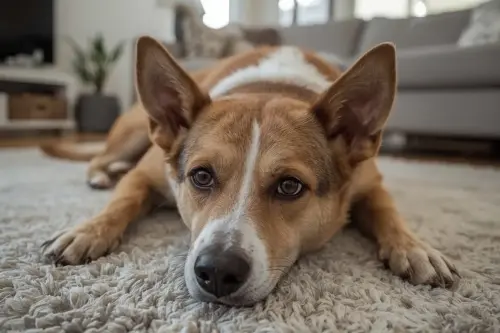
Noticing that your dog’s eyes look red can be alarming, especially when everything else seems fine. Your dog is eating normally, playing, sleeping well, and showing no obvious signs of pain or discomfort. Red eyes in dogs are actually quite common and, in many cases, are linked to mild or temporary issues rather than serious illness. Still, understanding the possible causes is important so you know when it’s safe to monitor the situation and when it’s time to see a veterinarian.
What Causes Red Eyes in Dogs Without Other Symptoms
Redness in a dog’s eyes usually comes from irritation or increased blood flow in the small vessels around the eye. When your dog acts normal, the cause is often environmental or mild.
Environmental irritants are one of the most common reasons. Dust, pollen, smoke, cleaning products, or even strong perfumes can irritate the eyes and make them appear red. Dogs that spend a lot of time outdoors, ride in cars with windows open, or explore dusty areas are especially prone to this.
Dry air or wind exposure can also cause redness. Air conditioning, heaters, or windy weather may dry out the surface of the eye, leading to temporary irritation without pain.
Mild allergies often cause red eyes before any other symptoms appear. Seasonal allergies may initially affect only the eyes, with itching or sneezing showing up later.
Normal Physical Reasons Dogs May Have Red Eyes
Sometimes red eyes are not a problem at all and are simply part of your dog’s anatomy or daily routine.
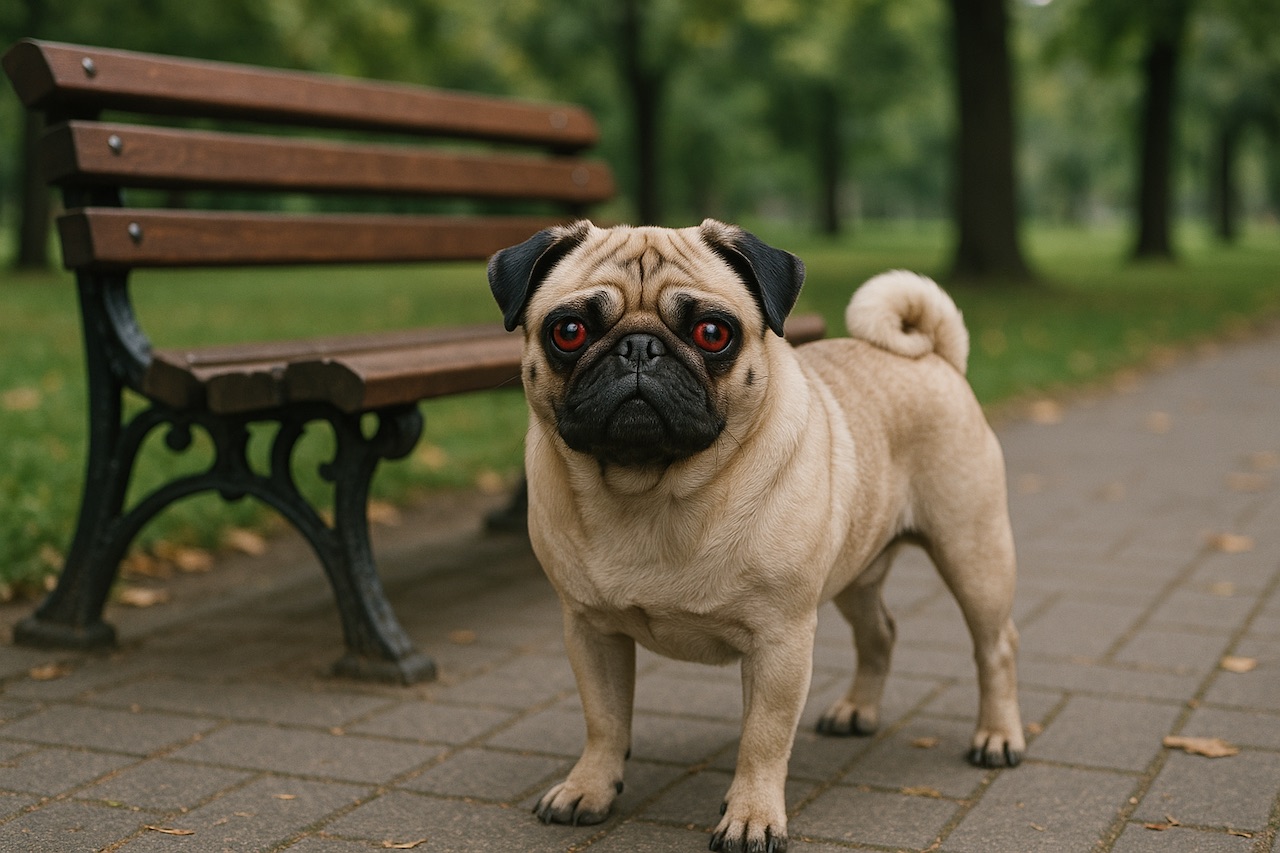
Breed-related eye structure plays a big role. Breeds with prominent eyes or loose eyelids, such as Bulldogs, Pugs, Boxers, and Shih Tzus, often appear red-eyed because more of the eye surface is exposed.
Post-sleep redness can happen when dogs wake up. Blood vessels may be more visible after rest, especially if your dog sleeps in a warm or dry environment.
Temporary eye strain from play, running, or excitement can also cause brief redness that fades on its own.
Common Mild Eye Conditions That Still Allow Normal Behavior
Some minor eye conditions may cause redness without affecting your dog’s mood or activity level.
Conjunctivitis can be mild and non-painful at first. Early stages may show redness with little to no discharge or discomfort.
Minor scratches or debris such as grass seeds or sand can irritate the eye. If the object clears quickly, redness may remain for a short time without ongoing symptoms.
Blocked tear ducts can cause redness due to tear buildup, especially in small or flat-faced breeds.
When Red Eyes Are Usually Not an Emergency
Red eyes are often not urgent if your dog:
Is eating and drinking normally
Shows no signs of pain or squinting
Is playful and alert
Has no thick discharge or swelling
In these cases, monitoring the eyes for 24 to 48 hours is often appropriate.
Signs That Red Eyes May Need Veterinary Attention
Even if your dog seems fine, certain signs mean a vet visit is recommended.
Redness lasting more than two days
Yellow, green, or thick discharge
Squinting or excessive blinking
Swelling around the eyes
Cloudiness or color changes in the eye
These symptoms may indicate infection, injury, or increased eye pressure.
Could Red Eyes Be Linked to Eye Pressure or Glaucoma
In rare cases, red eyes can be an early sign of increased eye pressure. Some dogs with early glaucoma may act normal before pain develops. This is more common in breeds genetically prone to eye pressure issues.
If redness appears suddenly and looks severe, especially in one eye, a veterinary exam is important even if your dog’s behavior hasn’t changed.
What You Can Safely Do at Home
If your dog’s eyes are red but behavior is normal, there are a few safe steps you can take.
Gently rinse the eyes with sterile saline solution
Reduce exposure to dust, smoke, and allergens
Use a humidifier if indoor air is dry
Prevent rubbing or pawing at the eyes
Avoid using human eye drops unless specifically approved by your veterinarian.
How Long Does Mild Eye Redness Usually Last
Mild redness caused by irritation or allergies often improves within 24 to 72 hours. If there is no improvement after this time or if symptoms worsen, a professional exam is recommended.
How Vets Diagnose Red Eyes in Dogs
Veterinarians examine the eye surface, tear production, and internal eye structures. They may use dyes to check for scratches or measure eye pressure if glaucoma is suspected.
Most cases of mild redness are diagnosed quickly and treated easily.
Preventing Red Eyes in the Future
While not all cases are preventable, you can reduce the risk by keeping your dog’s environment clean, avoiding smoke exposure, grooming hair away from the eyes, and scheduling regular wellness exams.
FAQ
Can dog eye redness go away on its own
Yes, mild redness from irritation or allergies often clears within a few days without treatment.
Is eye redness painful for dogs
Not always. Many dogs with mild redness feel no discomfort at all.
Can allergies cause red eyes without itching
Yes, early or mild allergies may only affect the eyes at first.
Should I clean my dog’s eyes daily
Regular gentle cleaning is fine, but excessive cleaning may cause irritation.
When should I worry about red eyes
If redness lasts more than two days or is paired with discharge, swelling, or squinting, consult a veterinarian.
Final Thoughts
If your dog’s eyes look red but he acts completely normal, the cause is often mild and temporary. Environmental irritation, allergies, or breed-related anatomy are the most common reasons. Monitoring the eyes closely and knowing the warning signs will help you decide when simple care is enough and when a vet visit is necessary.
Author: XPETSI Editorial Team