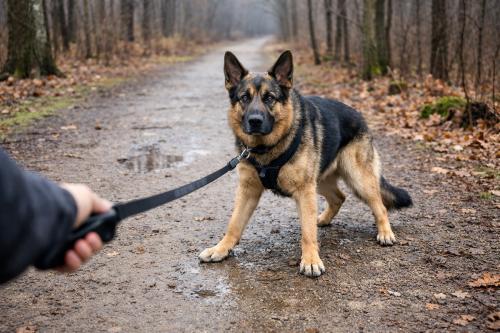
Some dogs bark, lunge, or pull when they feel stressed. Others do the opposite. They go quiet, stop responding, freeze in place, or seem to mentally “disappear.” If your dog shuts down instead of reacting, it can be confusing and even alarming—especially if it looks like your dog has suddenly lost confidence or interest in the world.
If you’re asking “Why does my dog shut down instead of reacting?”, the short answer is this: shutdown is a coping response. It’s not stubbornness, laziness, or disobedience. It’s your dog’s way of dealing with stress, fear, or overload when reacting feels unsafe or impossible.
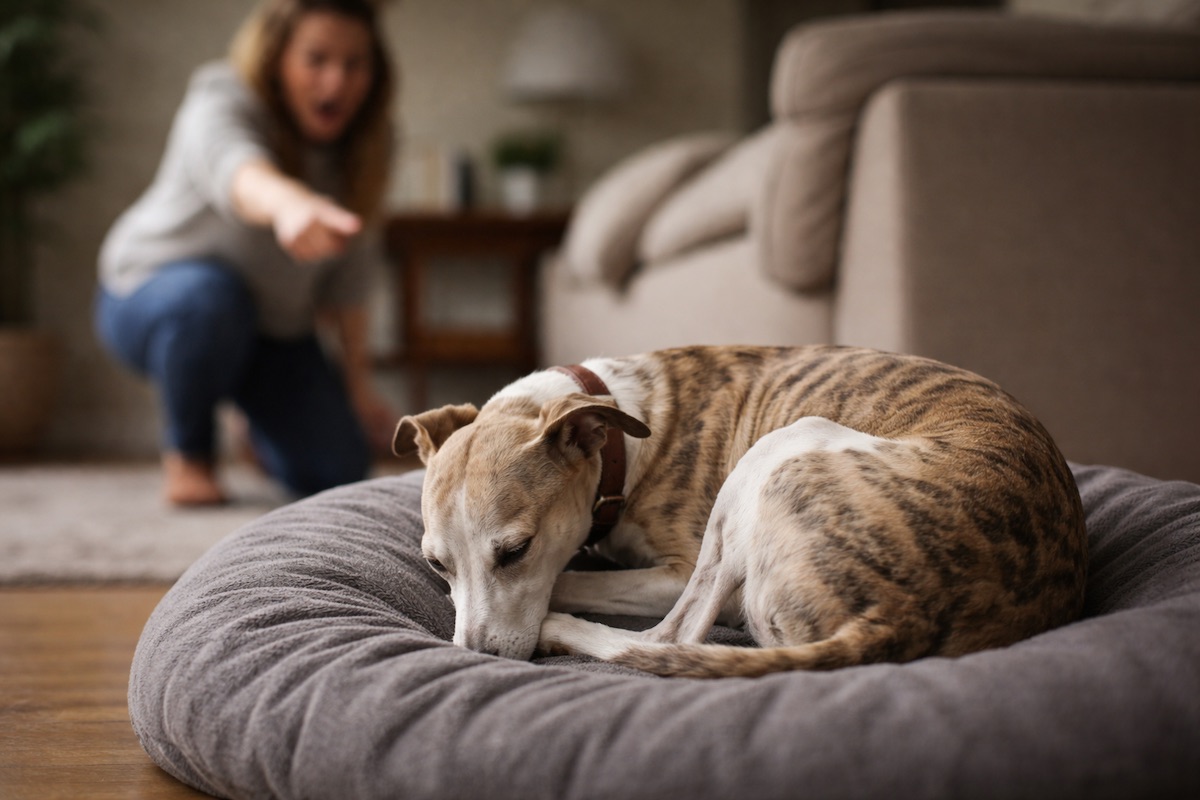
In this article, we’ll explore what shutdown really means in dogs, why some dogs shut down instead of barking or fighting back, what causes it, how to recognize it early, and how to help your dog recover confidence safely.
What Does “Shutting Down” Mean in Dogs?
A shutdown dog is not calm — they are overwhelmed.
Shutdown is a behavioral and emotional state where a dog reduces interaction with their environment as a way to cope. Instead of reacting outwardly, the dog turns inward.
Common signs of shutdown include:
- Freezing or refusing to move
- Ignoring commands they normally know
- Slow or absent responses
- Avoiding eye contact
- Lowered head or stiff body
- Lack of curiosity or engagement
- Appearing “zoned out” or disconnected
In some dogs, this freezing response is very similar to what owners notice when their dog freezes and refuses to move during walks.
Shutdown vs Reactivity: What’s the Difference?
Dogs generally respond to stress in one of three ways:
- Fight — barking, growling, lunging
- Flight — pulling away, trying to escape
- Freeze — shutting down, becoming still
Reactive dogs show their stress loudly. Shutdown dogs show it quietly.
This doesn’t mean shutdown is healthier. In fact, it can be harder to notice — and easier to misunderstand.
Why Some Dogs Shut Down Instead of Reacting
1. Fear and Learned Helplessness
One of the most common reasons dogs shut down is fear.
If a dog has learned that reacting doesn’t help — or makes things worse — they may stop reacting altogether. This can happen when:
- Past reactions were punished
- The dog felt trapped with no escape
- Stressful situations were unavoidable
Over time, the dog learns that doing nothing feels safer than reacting. Owners often describe these dogs as quiet but emotionally withdrawn, especially if they also act scared for no reason in unfamiliar situations.
2. Overstimulation and Emotional Overload
Some dogs shut down simply because their nervous system is overloaded.
Common overload triggers include:
- Busy environments
- Too many people or dogs
- Strong smells and noises
- Rapid changes in surroundings
When the brain can’t process everything at once, it may “pause” instead of reacting. Dogs in this state may also show subtle stress signals such as shaking from stress before or after shutting down.
3. Sensitive or Inhibited Temperament
Not all dogs are wired the same.
Dogs that are naturally:
- Sensitive
- Cautious
- Highly observant
- Conflict-avoidant
are more likely to shut down than react aggressively. This is a temperament trait, not a training failure.
4. Confusion and Unclear Expectations
Dogs may shut down when they don’t understand what’s being asked of them.
This often happens during training when:
- Cues are inconsistent
- Difficulty increases too quickly
- The dog is corrected without understanding why
Instead of guessing, some dogs stop responding altogether — similar to dogs that ignore commands outside despite listening well at home.
5. Chronic Stress Over Time
Long-term stress can push dogs into shutdown mode.
Examples include:
- Constant exposure to overwhelming environments
- Lack of rest or predictability
- Repeated social pressure
Over time, chronic stress lowers resilience and reduces a dog’s ability to cope actively.
6. Physical Discomfort or Fatigue
Physical factors can also contribute.
A dog may shut down if they are:
- Tired
- In pain
- Overheated
- Recovering from illness
When the body feels bad, engagement drops.
Why Shutdown Is Often Missed by Owners
Shutdown dogs are often described as “easy,” “calm,” or “well-behaved.”
Because they don’t bark, pull, or lunge, their distress can go unnoticed. However, unaddressed shutdown can later escalate into more serious issues, including becoming aggressive toward other dogs once the dog can no longer cope silently.
What to Do If Your Dog Shuts Down
1. Reduce Pressure Immediately
Pause the situation and give your dog space and time.
2. Lower Environmental Difficulty
Choose calmer places and shorter sessions.
3. Focus on Predictability
Clear routines help dogs feel safe.
4. Reinforce Voluntary Engagement
Reward your dog for choosing to interact, even briefly.
5. Avoid Punishment or Force
Force teaches dogs that disengaging is the safest option.
When to Seek Professional Help
Consider working with a qualified trainer or behavior specialist if shutdown happens frequently, worsens over time, or prevents normal activities.
Final Thoughts
If your dog shuts down instead of reacting, they are not being difficult.
They are communicating that the situation feels overwhelming or unsafe.
With patience, predictability, and compassionate guidance, most shutdown dogs can regain confidence and learn to engage with the world again — one small step at a time.
Author: XPETSI Editorial Team