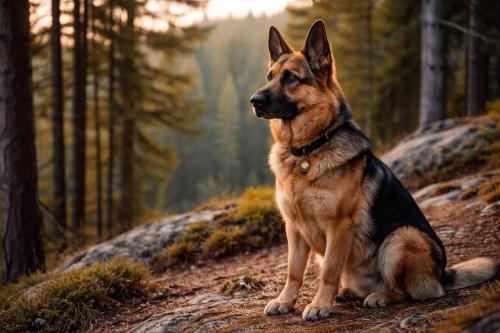
Walking your dog should be a calm and enjoyable experience — not a stressful one filled with barking, lunging or overreacting to strangers. If your dog barks at people during walks, you’re not alone. This is one of the most common behavior challenges dog owners face, and it’s usually driven by fear, excitement, territorial instincts or confusion about what behavior is expected.
The good news? With the right training strategies, behavioral understanding and consistent management, most dogs can be taught to stay calm, confident and quiet around strangers. This comprehensive guide explains why dogs bark at people on walks, the triggers behind the behavior and the proven techniques to stop it — including real desensitization steps you can apply today.
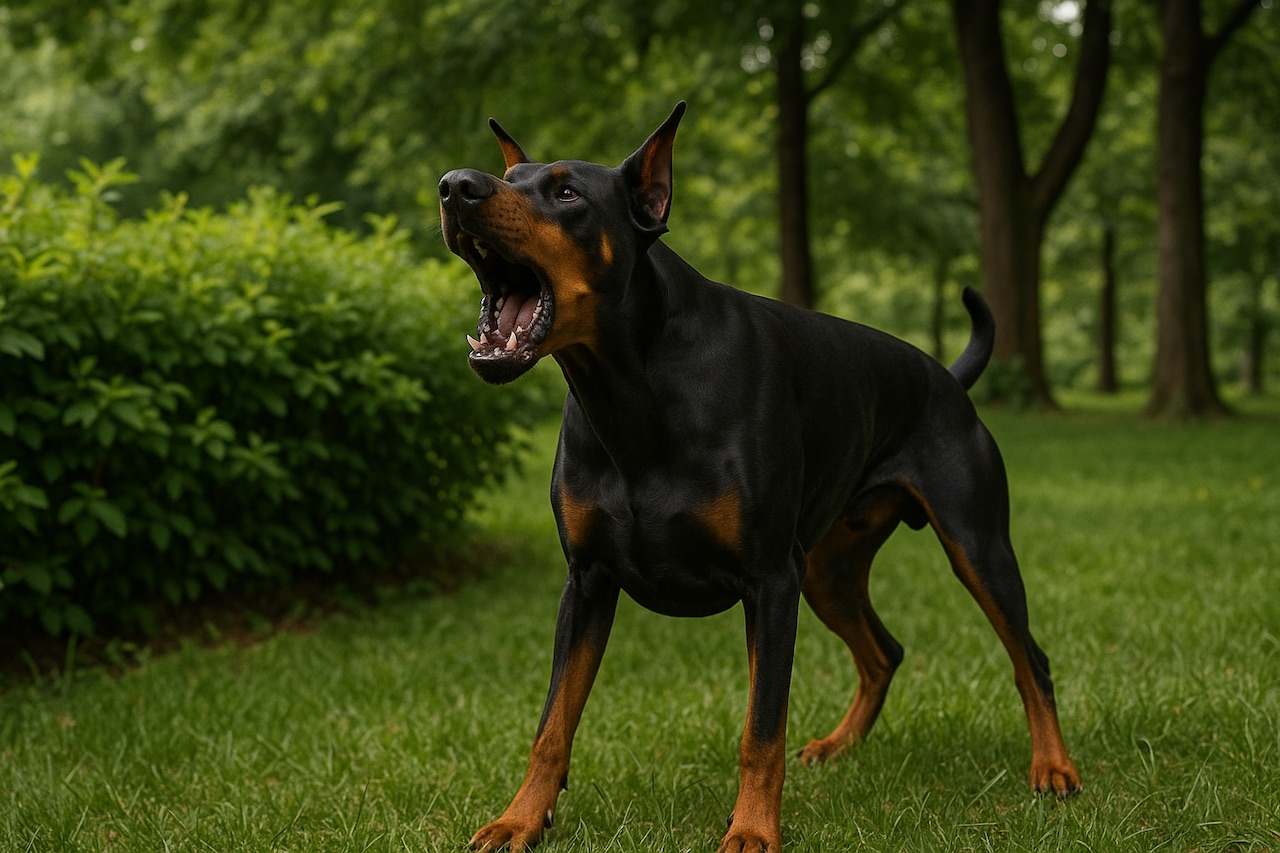
Why Dogs Bark at Strangers on Walks
Barking is natural for dogs, but when it happens every time a stranger appears, it usually indicates an emotional trigger. Understanding the “why” behind the behavior is the first step toward fixing it.
1. Fear or Uncertainty
Dogs that bark from fear often have stiff posture, raised hackles, a tucked tail or wide eyes. They’re not trying to be aggressive — they’re warning others to stay back because they feel unsafe.
2. Protective or Territorial Behavior
Some dogs feel responsible for protecting you or guarding their walking route. This is especially common in guarding breeds or dogs with strong loyalty instincts.
3. Overexcitement
Friendly, high-energy dogs may bark simply because they’re excited to see people and don’t know how to control their impulses.
4. Poor Socialization
Dogs that aren’t exposed to different people early in life may see strangers as unpredictable — and barking becomes their coping mechanism.
5. Previous Negative Experiences
If a stranger once scared your dog, grabbed them, or invaded their personal space, barking can become a learned protective response.
6. Learned Behavior
If barking has worked before — for example, it made a stranger go away — your dog may continue doing it because it “worked.”
How to Stop Your Dog From Barking at Strangers
Effective training focuses on two major components:
Management — preventing barking before it happens.
Training — teaching your dog new emotional and behavioral responses.
The steps below combine both approaches so your dog can improve quickly and reliably.
Step 1: Identify Your Dog’s Barking Triggers
Every dog has its own “spark” that causes barking. Common triggers include:
people approaching from the front
fast-moving runners or cyclists
strangers wearing hats, hoods or backpacks
people walking directly toward your dog
loud voices or sudden movements
children or groups of people
Spend a few days observing your dog to learn what specifically sets them off. This helps you create a targeted training plan.
Step 2: Create Distance – The Most Important First Step
The single biggest mistake dog owners make is walking their dog directly toward strangers, hoping they’ll “get used to it.” Instead, give your dog space.
Distance reduces emotional intensity. For example:
Your dog may bark at a stranger who is 5 feet away…
but stay calm if the stranger is 20–30 feet away.
Once your dog is under threshold (calm and aware), you can start real training.
Step 3: Use Counterconditioning (“Stranger = Something Good”)
This technique changes your dog’s emotional response to strangers. The goal is:
Stranger appears = dog gets a reward.
How to do it:
Spot a stranger at a safe distance.
Before your dog starts barking, mark the moment (“Yes!” or clicker).
Give a high-value treat.
Repeat every time your dog notices a person.
Over time, your dog begins to think:
“Strangers aren’t scary — they mean treats!”
This alone can eliminate a huge portion of barking behaviors.
Step 4: Teach an Alternative Behavior
Dogs can’t bark and perform another focused behavior at the same time. Teach your dog something incompatible with barking:
Watch me (eye contact)
Sit
Heel
Touch (nose target)
Example: When a stranger appears, ask for “Watch me” and reward generously.
This builds emotional control and confidence.
Step 5: Practice “Look at That” Training (LAT)
This game teaches your dog to calmly look at triggers instead of reacting. It’s a popular method from behaviorist Leslie McDevitt.
How it works:
Your dog looks at a stranger → you mark (“Yes!”) → reward.
No need to pull their attention away immediately.
They learn that calmly observing people is the right behavior.
Step 6: Use Body Language to Reduce Tension
Your dog reads your posture more than your words. Help them relax by:
keeping the leash loose instead of tight
walking in curves instead of straight lines
avoiding direct head-on approaches to strangers
keeping your shoulders sideways, not squared
Tension in your body = tension in your dog.
Step 7: Manage the Environment
Until your dog improves, avoid the hardest environments, such as:
crowded downtown streets
busy parks at peak hours
narrow sidewalks where people are close
Choose:
wider trails
quiet neighborhoods
streets with grass strips
Success comes faster when your dog practices in low-stress areas first.
Step 8: Prevent Reinforcement of Barking
If your dog barks and the stranger walks away, the dog believes:
“I barked, and it worked!”
This reinforces the behavior. To avoid this:
step aside before your dog starts barking
turn and walk in another direction smoothly
avoid dragging or yelling — it adds stress
Step 9: Reward Quiet, Calm Behavior
Dogs repeat what gets rewarded. Praise and treat your dog when they:
stay quiet as a stranger passes
glance at a person without reacting
walk calmly on a loose leash
give you eye contact instead of barking
This teaches your dog what you WANT — not just what you don’t want.
Step 10: Build Confidence Through Enrichment
Confident dogs bark less. Add enrichment that strengthens your dog’s mental resilience:
puzzle feeders
sniffing walks
agility or obstacle courses
training games (touch, find it, place)
Dogs with strong mental stimulation are less reactive to strangers.
Common Mistakes That Make Barking Worse
Punishing or yelling — increases fear and makes barking stronger.
Pulling the leash tight — signals danger and escalates reactivity.
Letting strangers approach directly — overwhelming for many dogs.
Skipping counterconditioning — emotional changes are essential.
Expecting quick results — this is emotional training, not obedience.
How Long Until Barking Improves?
With daily 5–10 minute training sessions:
Mild cases: 2–3 weeks
Moderate cases: 1–2 months
Severe fear-reactivity: 3–6 months with professional help
Consistency matters more than intensity.
When to Seek Professional Help
Consult a trainer or behaviorist if your dog:
shows aggression beyond barking
lunges intensely at people
attacks or bites the leash
has a history of trauma or fear
is getting worse instead of better
A certified professional can guide you through tailored desensitization plans.
Common Triggers & Fixes
| Trigger | What It Means | Recommended Fix |
|---|---|---|
| Fear of unfamiliar people | Your dog feels unsafe or threatened by strangers | Increase controlled exposure, reward calm behavior, avoid forcing interactions |
| Protective or territorial instincts | Your dog believes it must defend you or its walking territory | Teach “Watch me,” keep distance from triggers, reinforce neutrality |
| Past negative experiences | Dog associates strangers with fear or harm | Gradual counterconditioning, reward-based desensitization |
| Under-socialization | Dog hasn’t been exposed to many types of people | Introduce variety (kids, hats, wheelchairs), always paired with treats |
| Overexcitement | Dog becomes overly thrilled or stimulated by seeing people | Practice calm walking, impulse-control games, structured greeting training |
| Leash reactivity | Dog feels restricted and more defensive on a leash | Use loose-leash walking, create space, reward calm eye contact |
| Lack of obedience cues | Dog doesn’t know how to redirect focus away from strangers | Teach “Sit,” “Stay,” “Leave it,” and “Focus” as replacement behaviors |
| Frustration from not being allowed to greet | Dog wants to say hello but is held back | Teach polite greeting routines, keep greetings short and structured |
| Owner tension on the leash | Your dog senses your anxiety and reacts to it | Stay relaxed, hold leash loosely, breathe normally during encounters |
| Unpredictable or fast-moving strangers | Sudden movements trigger defensive barking | Increase distance, reward calm observation, avoid crowded spaces |
FAQ About Dogs Barking at Strangers on Walks
Why does my dog only bark at strangers while outside?
Many dogs feel more alert and vulnerable outdoors because the environment is unpredictable. Sounds, scents and sudden movements can activate their protective instincts. It’s a combination of excitement, uncertainty and territorial behavior triggered by unfamiliar people.
Is barking at strangers a sign of aggression?
Not always. Barking can mean fear, alertness, insecurity, overstimulation or simply an attempt to create distance. True aggression usually includes stiff posture, growling, lunging or snapping. Most barking on walks is fear-based or protective, not aggressive.
Can socialization reduce barking at strangers?
Yes. Gradual, positive exposure to a variety of people helps dogs feel safer and lowers reactivity. Socialization doesn’t mean forced interaction — it means comfortable observation from a safe distance with rewards for calm behavior.
Should I let strangers pet my dog to “teach” them not to bark?
No. This often increases fear and can make barking worse. Many dogs bark because they don’t want strangers approaching them. Instead, allow your dog to observe strangers from a distance where they feel safe.
What is the best distance to keep my dog calm?
Every dog has a unique “threshold”—the distance at which they react. Start far enough away that your dog notices the stranger but does not bark or tense up. Reward calm behavior and slowly decrease distance over multiple sessions.
Do harnesses or collars affect barking behavior?
Yes. Pull-tight collars or uncomfortable gear can increase anxiety. A well-fitted harness (especially a front-clip type) gives better control and reduces stress, making reactivity training easier.
Can treats really stop barking?
Treats don’t instantly stop barking, but they redirect focus and form new emotional associations. Over time, your dog learns that calm behavior around strangers leads to rewards, replacing fear with positive expectations.
Is it okay to say “no” when my dog barks?
Saying “no,” shouting or punishing usually increases anxiety and makes barking worse. Dogs don’t stop barking because they understand words — they stop when they feel safe and guided.
What if my dog barks at only certain people?
Dogs often react to specific features: hats, large coats, sunglasses, fast movements, loud voices or strong scents. They’re not being judgmental — they’re responding to triggers they find unfamiliar or intimidating.
When should I seek professional help?
Contact a trainer or behaviorist if barking includes lunging, snapping, refusing to move, escalating fear or if you’ve tried training for several weeks without progress. Early intervention prevents worsening reactivity.
Stopping your dog from barking at strangers on walks requires patience, structure and understanding. By identifying triggers, using distance, applying positive reinforcement, teaching alternative behaviors and practicing consistent management, you can help your dog feel calmer and behave more confidently in public.
Remember: barking is not misbehavior — it’s communication. Once you teach your dog that strangers are safe and predictable, walks become peaceful, enjoyable and stress-free for both of you.
Author: XPETSI Editorial Team