When a dog that was once friendly, tolerant, or neutral around other dogs suddenly starts growling, lunging, snapping, or fighting, it can be deeply upsetting. Many owners feel shocked and even guilty, wondering what they did wrong. One of the most common questions that comes up is: Why did my dog suddenly become aggressive toward other dogs?
Sudden dog-to-dog aggression almost never appears without a reason. In most cases, it is the result of physical discomfort, emotional stress, fear, hormonal changes, or shifts in a dog’s social maturity. While it may feel like the behavior appeared overnight, there are usually subtle warning signs that were missed along the way.
We’ll explore all the major causes of sudden aggression toward other dogs, how to identify what’s triggering your dog’s behavior, what to do immediately, and how to move forward safely.
What Does “Sudden Aggression” Actually Mean?
When owners say their dog became aggressive “suddenly,” it often means the behavior reached a point where it could no longer be ignored.
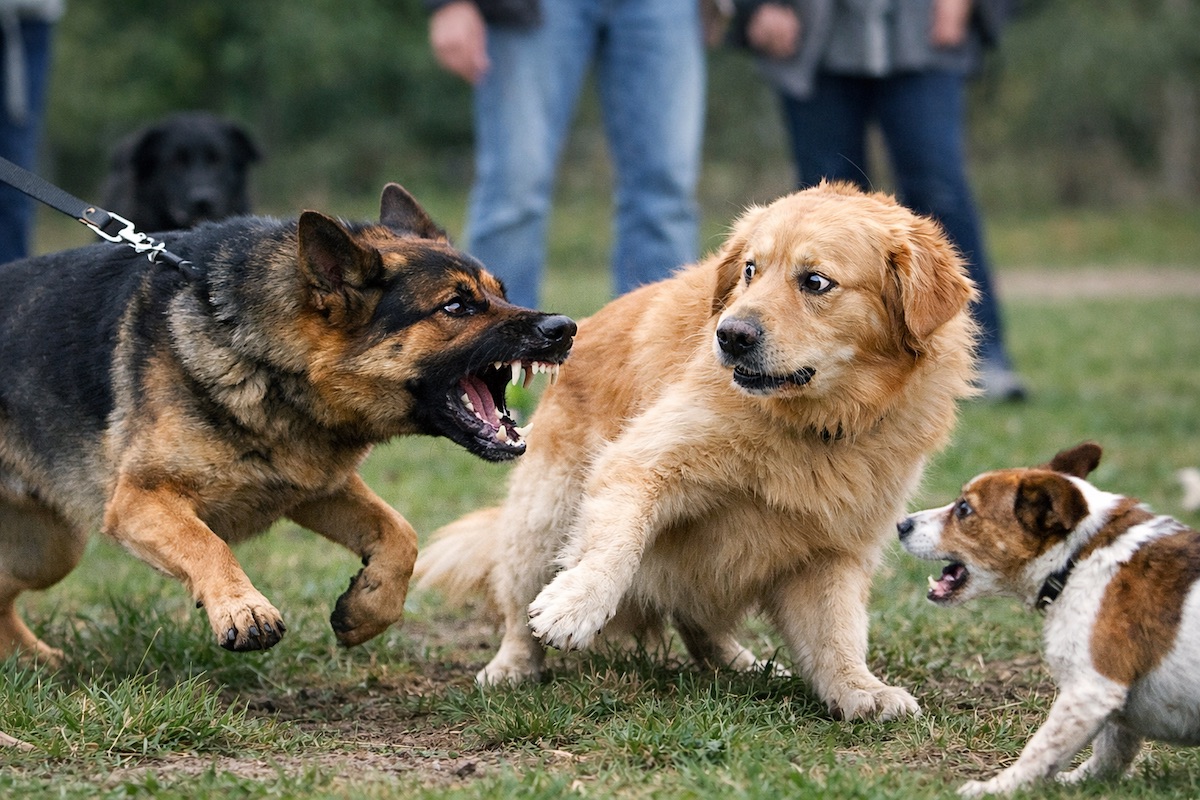
Sudden aggression may include:
- Growling at dogs they previously tolerated
- Snapping when another dog approaches
- Lunging or barking aggressively on leash
- Freezing, staring, and then reacting
- Breaking out into fights that seem unpredictable
In reality, aggression is rarely the first sign. It is usually the final stage after stress, fear, or discomfort has been building over time.
The Most Common Reasons Dogs Suddenly Become Aggressive Toward Other Dogs
1. Pain or Underlying Medical Issues
Pain is one of the most common and most overlooked causes of sudden aggression.
A dog that is hurting may react aggressively when another dog:
- Gets too close
- Bumps into them
- Invades their space
Common medical causes include:
- Hip or joint pain
- Arthritis
- Injuries or muscle strain
- Dental pain
- Digestive discomfort
If your dog’s aggression appeared suddenly, especially in an adult or senior dog, a veterinary exam should always be the first step.
2. Fear-Based Aggression
Fear is one of the strongest drivers of aggression in dogs.
A dog may become aggressive toward other dogs if they feel:
- Threatened
- Overwhelmed
- Unable to escape
Fear-based aggression often develops after:
- A fight or attack by another dog
- Repeated negative interactions
- Loss of confidence
In these cases, aggression is not about dominance — it is about self-protection.
3. Leash Reactivity
Many dogs only show aggression when they are on a leash.
Leash reactivity happens because:
- The leash restricts natural movement
- The dog feels trapped
- Tension travels down the leash from the handler
A dog that plays well off-leash may suddenly bark, lunge, or snap when restrained. This behavior often builds gradually but may appear “sudden” to owners.
4. Social Maturity and Age-Related Changes
Dogs change socially as they mature.
Many dogs become less tolerant of other dogs between:
- 1 and 3 years of age
This is especially common in:
- Large breeds
- Working breeds
- Same-sex dogs
A dog that loved all dogs as a puppy may become selective or intolerant as an adult. This is normal social development, not a behavioral failure.
5. Negative Past Experiences
One bad encounter can permanently change how a dog views other dogs.
Examples include:
- Being attacked or pinned
- Repeated bullying at dog parks
- Overly rough play without escape
After these experiences, a dog may decide that aggression is the safest option.
6. Resource Guarding
Some dogs become aggressive when they feel their resources are threatened.
Dog-to-dog resource guarding may involve:
- Toys
- Food
- Owner attention
- Territory
This type of aggression can appear suddenly when another dog enters the home or when routines change.
7. Chronic Stress and Overstimulation
Dogs under constant stress have a much lower tolerance threshold.
Stressors include:
- Chaotic environments
- Lack of sleep
- Overcrowded dog spaces
- Too much social pressure
An overstimulated dog may react aggressively simply because they can no longer cope.
8. Hormonal and Developmental Factors
Hormones can intensify aggressive tendencies.
Aggression may increase during:
- Adolescence
- Sexual maturity
- Hormonal fluctuations
While hormones are rarely the sole cause, they can amplify existing issues.
Warning Signs That Appear Before Aggression
Dogs almost always give warning signals before a fight.
These include:
- Stiff body posture
- Hard staring
- Raised hackles
- Lip lifting or growling
- Avoidance followed by sudden reaction
Learning to recognize these signs can prevent escalation.
Causes and Responses
| Cause | Typical Signs | What to Do |
|---|---|---|
| Pain or injury | Sudden snapping, stiffness | Vet check |
| Fear | Avoidance, defensive aggression | Distance + confidence building |
| Leash reactivity | Lunging only on leash | Desensitization training |
| Social maturity | Selective intolerance | Management + training |
What to Do Immediately If Your Dog Becomes Aggressive
1. Stop Forced Interactions
Avoid dog parks, greetings, and crowded spaces for now.
2. Schedule a Veterinary Check
Rule out pain or medical causes first.
3. Manage the Environment
Use distance, leashes, and predictable routines to prevent rehearsing aggression.
4. Avoid Punishment
Punishing aggression can increase fear and make behavior more dangerous.
Can Sudden Dog Aggression Be Fixed?
In many cases, yes.
Improvement depends on:
- Identifying the true cause
- Early intervention
- Consistent management
- Positive behavior modification
Some dogs may never enjoy social play again, but most can learn to remain calm and controlled around other dogs.
When to Seek Professional Help
Contact a qualified trainer or behaviorist if:
- Aggression is escalating
- Your dog has caused injury
- You feel unsafe
- Triggers are unclear
Professional help is a responsible step, not a failure.
What Not to Do
- Do not label your dog as “bad” or “dominant”
- Do not force socialization
- Do not ignore warning signs
- Do not wait for another incident
Aggression is communication — not disobedience.
Frequently Asked Questions
Can a dog suddenly become aggressive without warning?
Rarely. There are usually subtle signs that go unnoticed until the behavior escalates.
Should I stop walking my dog around other dogs?
No, but you should manage distance and avoid forced greetings.
Is dog aggression always permanent?
No. Many dogs improve significantly with proper management and training.
Can neutering or spaying fix aggression?
It may reduce hormone-driven behaviors but is not a guaranteed solution.
Final Thoughts
When a dog suddenly becomes aggressive toward other dogs, it is a signal that something has changed physically, emotionally, or socially.
Most dogs are not trying to be aggressive. They are trying to protect themselves, cope with stress, or communicate discomfort.
By identifying the cause early and responding with patience, structure, and professional guidance when needed, you can protect your dog, other dogs, and yourself — and often restore balance and safety.
Author: XPETSI Editorial Team