Border Collies are often described as intense, focused, and endlessly driven. Owners admire their intelligence and work ethic — but many also feel confused when that same energy starts to look like nervous tension. A dog that constantly watches, reacts to small movements, struggles to relax, or becomes overly sensitive can leave owners asking an important question: Is this healthy drive — or anxiety?
Understanding the difference between natural working drive and emotional stress is one of the most important skills for living successfully with a Border Collie. These dogs were bred to think, respond quickly, and stay mentally engaged for long periods. However, when the nervous system stays activated without enough recovery, what looks like motivation can quietly turn into overload.
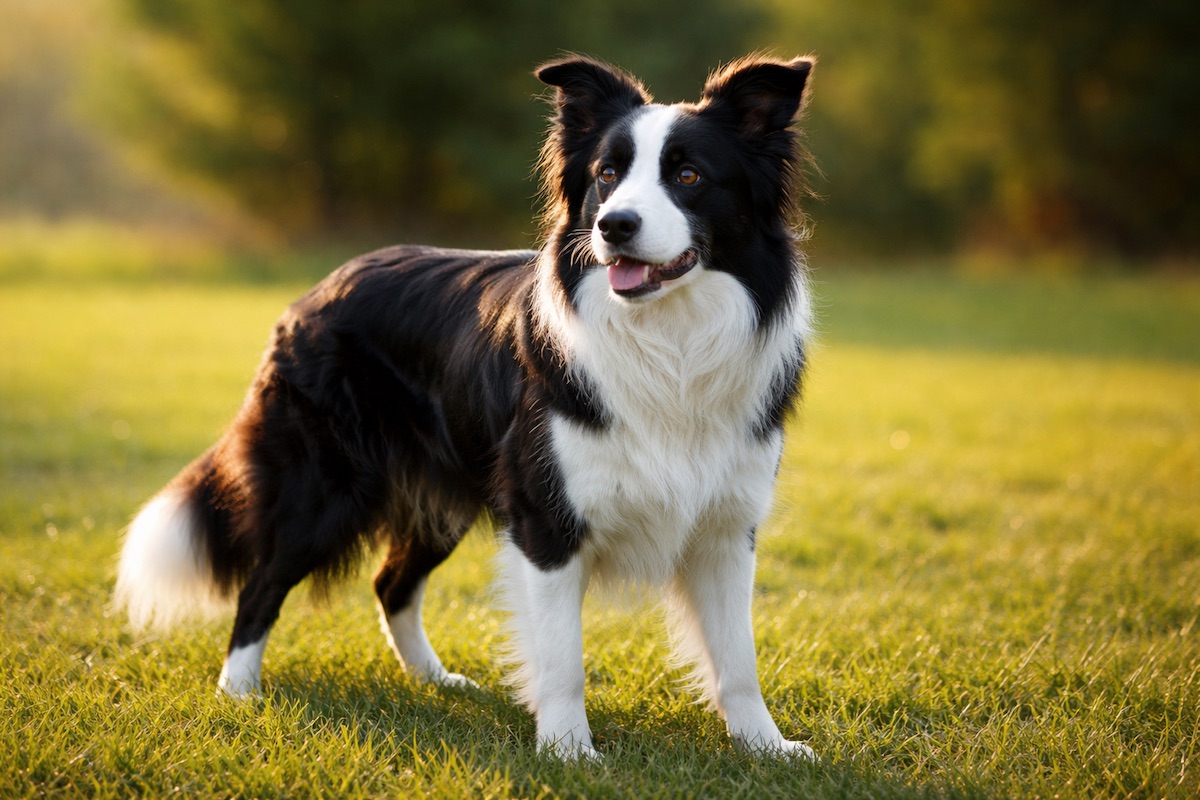
High drive should create focus and purpose. Anxiety creates tension and uncertainty — even when the dog appears energetic on the outside.
What “Drive” Really Means in Border Collies
Drive is not simply high energy. In working breeds, drive refers to the internal motivation to engage with tasks, solve problems, and respond to cues from the handler or environment.
A Border Collie with healthy drive typically shows:
- Strong focus during structured activity
- Clear interest in learning or working
- Quick recovery after stimulation
- The ability to relax once engagement ends
- Confidence when facing new situations
Healthy drive creates clarity — the dog knows what to do and when to stop. Anxiety often appears when that clarity is missing.
What Anxiety Looks Like in Border Collies
Anxiety is often misunderstood because it can resemble excitement or hyperactivity. In reality, an anxious Border Collie is not simply “busy” — the dog may feel overwhelmed by stimulation, expectations, or unpredictability.
Common anxiety-related signs include:
- Constant scanning of the environment
- Difficulty settling even after activity
- Overreaction to small sounds or movements
- Whining or restless pacing indoors
- Loss of focus despite strong training history
A Border Collie that looks “busy all the time” may not be thriving — the nervous system may simply be struggling to switch off.
Why the Difference Is Hard to See
Many owners confuse drive and anxiety because both involve movement, alertness, and intense behavior. Without understanding emotional context, it is easy to assume the dog just needs more activity or training.
Several factors make the distinction difficult:
- Border Collies naturally appear intense even when balanced
- High intelligence masks early stress signals
- Overstimulation can initially look like enthusiasm
- Owners often reward high energy more than calmness
Drive vs Anxiety: Key Behavioral Differences
| Behavior | Healthy Drive | Anxiety |
|---|---|---|
| Focus | Directed toward tasks | Scattered and reactive |
| Body language | Confident and fluid | Tense or rigid |
| After activity | Settles naturally | Remains restless |
| Reaction to cues | Engaged and responsive | Overly sensitive or distracted |
| Emotional state | Purposeful | Uncertain or hyper-alert |
Common Causes of Anxiety Disguised as Drive
Too Much High-Intensity Activity
Fast-paced games, constant training, or chaotic interaction can keep adrenaline levels elevated. While Border Collies need engagement, excessive intensity prevents emotional recovery.
Drive builds through clear structure. Anxiety often grows when stimulation never pauses.
Unclear Expectations
Border Collies thrive on clarity. When rules change frequently or tasks feel unpredictable, the dog may stay hyper-alert, trying to anticipate what comes next.
Lack of Real Rest
Many highly intelligent dogs appear busy all day because they never learn how to switch off. Without structured downtime, even positive activities can create mental pressure.
Emotional Feedback From the Owner
Border Collies are extremely sensitive to human behavior. Tension, frustration, or constant monitoring can unintentionally increase anxiety, even when training methods are correct.
Signs Your Border Collie Is Driven — Not Anxious
- Engages deeply during structured activities
- Recovers quickly once the task ends
- Shows relaxed body language at home
- Can settle without constant guidance
- Maintains curiosity without tension
Signs Drive May Be Turning Into Anxiety
- Difficulty relaxing indoors
- Constant motion without clear purpose
- Loss of focus despite more training
- Overreaction to normal household sounds
- Restlessness that increases with more activity
If increasing exercise makes your dog more reactive instead of calmer, anxiety may be replacing healthy drive.
How to Support Healthy Drive Without Creating Anxiety
Create Clear Start-and-End Signals
Border Collies feel safer when they understand when engagement begins and when it ends. Consistent routines help prevent constant anticipation.
Balance Thinking and Recovery
Short mental challenges followed by real rest are more effective than long sessions that never fully stop.
Reward Calm Behavior
Many owners accidentally reinforce excitement but overlook moments of relaxation. Quiet praise during calm periods teaches emotional balance.
Lower Intensity When Needed
If your dog appears overwhelmed, temporarily reduce fast-paced games and replace them with slower, purposeful activities.
The goal is not to reduce your Border Collie’s drive — it is to give that drive clear direction and enough recovery to stay healthy.
Why “More Training” Isn’t Always the Answer
When behavior feels chaotic, many owners increase structure by adding more drills or exercises. While structure helps, constant engagement can increase mental pressure if recovery time is missing.
Border Collies often improve when:
- Training sessions become shorter
- Transitions between activity and rest become clearer
- Owners shift focus from intensity to emotional balance
Calmness is not the absence of drive. It is the result of drive that has a clear beginning, a clear purpose, and a clear ending.
Final Thoughts
The difference between drive and anxiety in Border Collies is subtle but powerful. Both can look energetic, focused, and intense — yet emotionally they are very different experiences for the dog.
A Border Collie with healthy drive feels purposeful and confident. A Border Collie experiencing anxiety often feels pressured, uncertain, and unable to fully relax.
Instead of asking whether your dog has “too much energy,” try asking a deeper question: does my dog understand when it’s time to work — and when it’s safe to rest? When that balance becomes clear, many behavior challenges begin to soften naturally.
Author: XPETSI Editorial Team