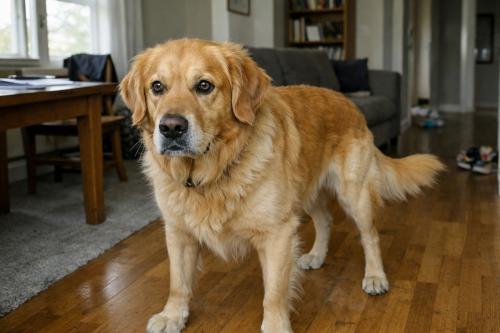
If your dog seems calm and confident everywhere else but suddenly panics the moment you get into the car, you’re not alone. Car-specific anxiety is one of the most common — and most confusing — behavior problems dog owners face. The strange part is that the fear often appears only in the car, while the dog behaves completely normally at home, on walks, or with strangers.
Understanding why this happens is the key to helping your dog feel safer and preventing the panic from getting worse over time.
If your dog recently became fearful in new situations, it may be related to unexpected behavior changes caused by anxiety.
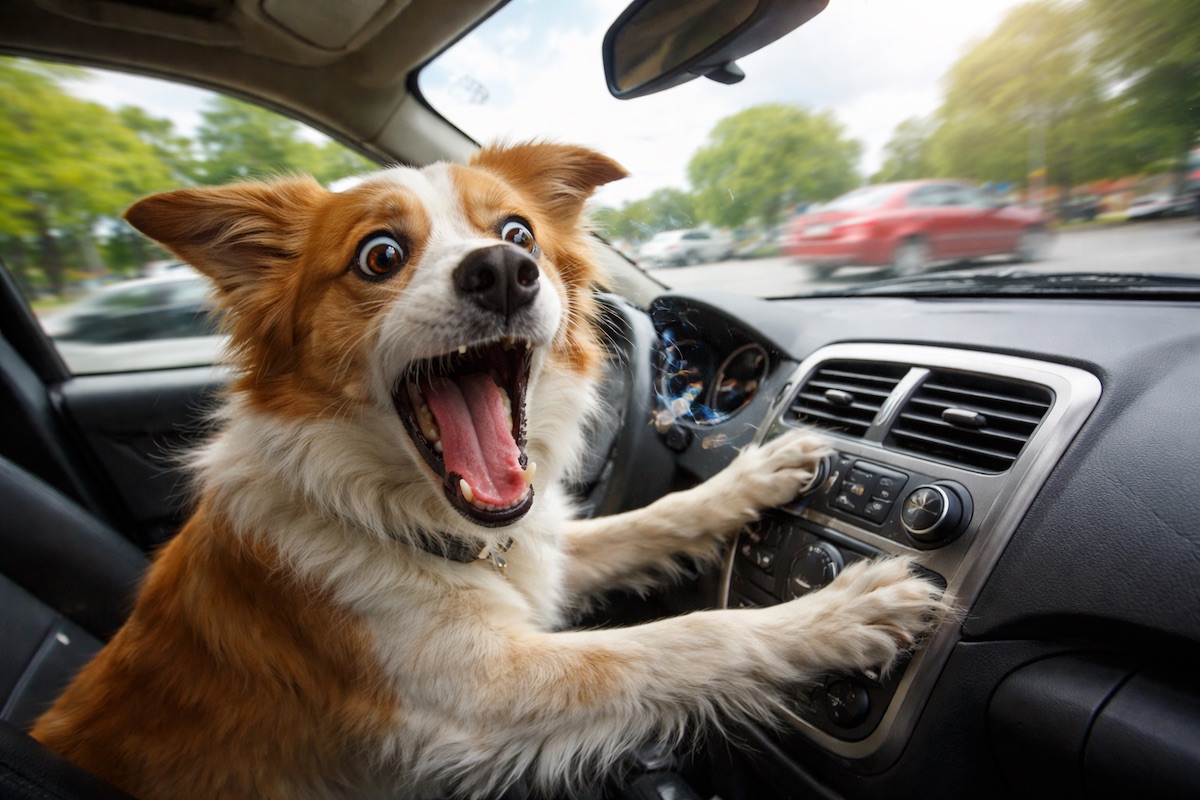
Quick Answer: Why Dogs Panic in the Car
Dogs usually panic in the car due to a combination of negative past experiences, motion-related discomfort, lack of control, and sensory overload. Even a single stressful event — such as a vet visit, car sickness, or sudden braking — can create a strong association between the car and fear.
In many cases, the anxiety is not about the car itself, but about what the dog believes will happen once the ride begins.
Common Reasons Dogs Panic Only in the Car
1. Negative Associations With Past Car Rides
For many dogs, car rides equal unpleasant destinations:
- Vet visits
- Grooming appointments
- Long, uncomfortable trips
- Being separated from their owner
Dogs learn through association. If most car rides ended in stress, pain, or fear, your dog may panic as soon as the engine starts — even if today’s trip is harmless.
2. Motion Sickness or Physical Discomfort
Some dogs experience nausea, dizziness, or disorientation while riding in a moving vehicle. Puppies are especially prone to this, but adult dogs can develop motion sensitivity later in life.
Even if your dog no longer vomits, the memory of feeling sick can be enough to trigger panic.
3. Lack of Control and Confinement
Cars remove a dog’s ability to escape, explore, or choose where to go. For dogs that value control or are naturally cautious, being restrained in a moving, noisy environment can feel overwhelming.
When panic escalates, a dog may stop moving altogether, which is known as fear-based freezing behavior.
4. Sensory Overload
Inside a car, dogs are exposed to:
- Unfamiliar vibrations
- Loud engine and traffic noises
- Rapidly changing visual input
- Strong smells
For sensitive dogs, this combination can quickly overwhelm their nervous system.
5. Early Learning Gaps
Dogs that were not gently introduced to car rides during puppyhood often struggle later. Without positive early exposure, the car remains an unfamiliar and potentially threatening environment.
6. Anxiety Transfer From the Owner
Dogs are extremely skilled at reading human body language. If an owner feels stressed, rushed, or worried before driving, the dog may interpret that tension as a sign of danger.
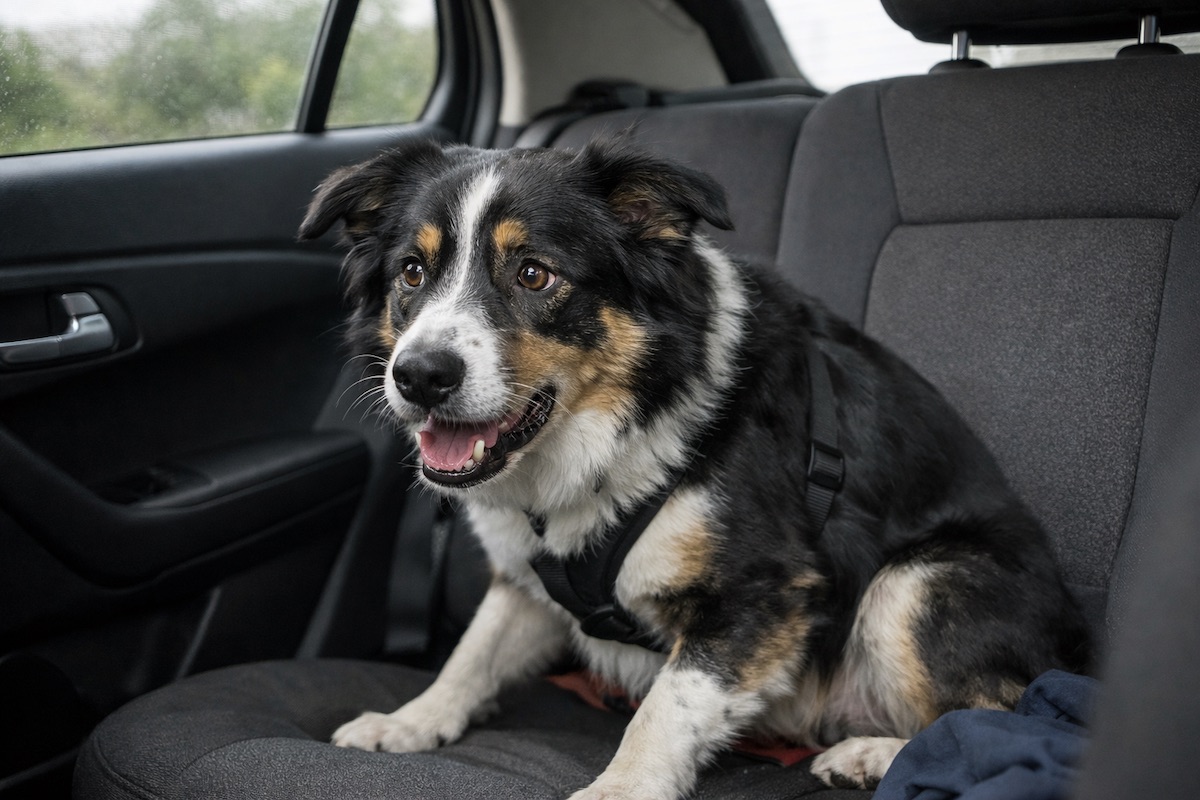
When Car Panic Is Normal vs When It’s a Concern
| Likely Normal | Concerning Signs |
|---|---|
| Mild trembling that settles after a few minutes | Intense shaking, drooling, or vocalizing |
| Reluctance but still able to enter the car | Refusal to approach or enter the car |
| Restlessness without panic | Panting, pacing, or trying to escape |
| Anxiety limited to specific situations | Anxiety escalating with each car ride |
If the fear is increasing over time or interfering with daily life, it’s important to address it early.
What to Do If Your Dog Panics in the Car
Step 1: Change the Meaning of the Car
Start by breaking the association between the car and stressful destinations.
- Let your dog sit in the parked car without driving
- Offer treats or praise while the engine is off
- End the session before anxiety increases
Step 2: Go Slowly and Progress Gradually
Once your dog is comfortable sitting in the car, move in small steps:
- Turn the engine on briefly
- Drive a few meters and stop
- Increase distance slowly over days or weeks
Step 3: Improve Physical Comfort
- Ensure good ventilation
- Use a secure dog seat or crate
- Avoid feeding right before travel
Step 4: Stay Calm and Predictable
Speak calmly, avoid excessive reassurance, and keep your own body language relaxed. Overreacting can unintentionally confirm your dog’s fear.
What NOT to Do
- Do not force your dog into the car
- Do not punish fearful behavior
- Do not rush the process
- Do not ignore escalating panic
Forcing exposure often makes car anxiety worse and harder to resolve later.
When to Seek Professional Help
Consider consulting a veterinarian or certified behaviorist if:
- The panic worsens despite gradual training
- Your dog becomes aggressive or self-injures
- Motion sickness symptoms persist
- Anxiety spreads beyond car rides
In some cases, professional guidance can make a significant difference.
Frequently Asked Questions
Why does my dog panic only when the car starts moving?
Movement triggers sensory overload and loss of control. Many dogs tolerate sitting in the car but panic once motion begins.
Can a dog develop car anxiety suddenly?
Yes. A single negative experience, illness, or stressful event can trigger sudden car-related fear.
Will my dog outgrow car anxiety?
Without intervention, anxiety often remains the same or worsens. Gentle, positive training is usually needed.
Does car anxiety mean my dog has general anxiety?
No. Many dogs are confident in all other situations and experience fear only in the car.
Final Thoughts
A dog that panics only in the car isn’t being stubborn or dramatic. The behavior is usually a logical response to fear, discomfort, or past experiences. With patience, gradual exposure, and the right approach, most dogs can learn to feel safer and more relaxed during car rides.
Addressing the issue early helps prevent the anxiety from spreading to other situations — and makes travel safer and less stressful for both you and your dog.
Author: XPETSI Editorial Team