When a dog has endless energy, many people simply describe them as "hyper." But what looks like hyperactivity isn't always caused by having too much energy. In many cases, a dog is actually overstimulated.
Overstimulation happens when a dog's nervous system receives more excitement, information, or activity than it can comfortably process. Instead of becoming calm after exercise, play, or a busy day, the brain stays highly alert, making it difficult for the dog to relax.
Recognizing the difference matters because an overstimulated dog often needs recovery rather than even more activity.
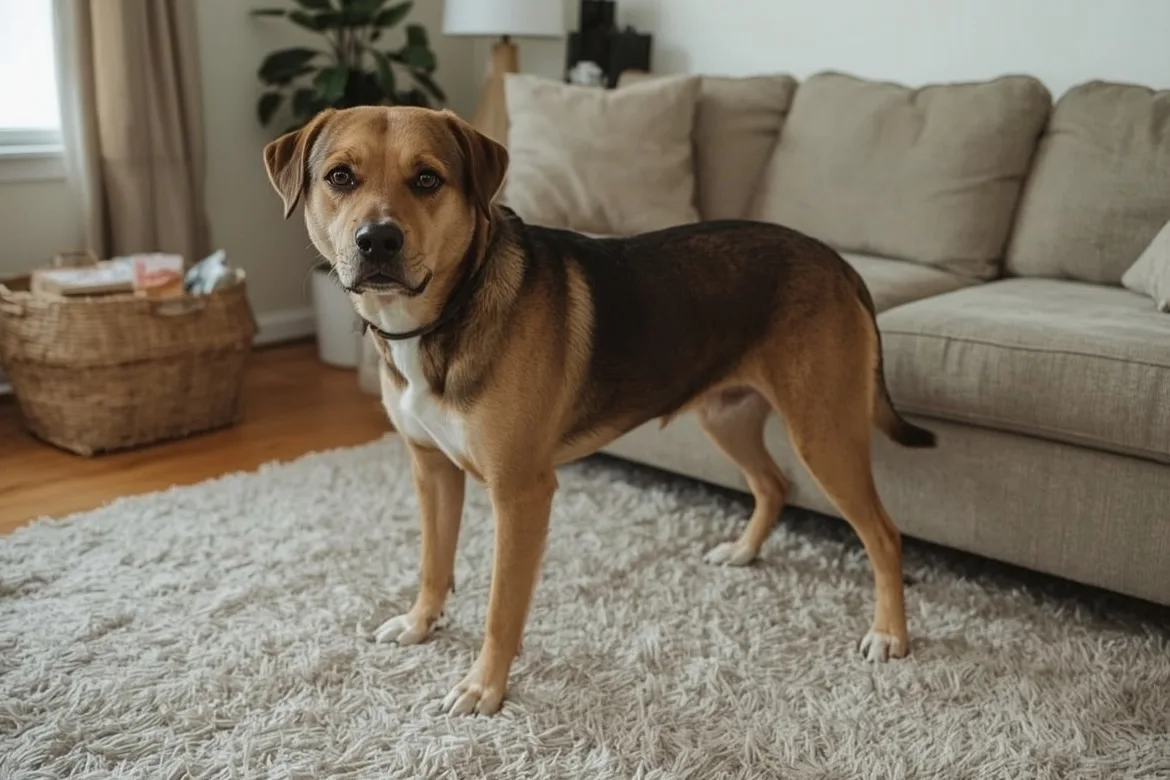
Overstimulation isn't simply "too much energy." It is a temporary state where the nervous system struggles to recover from excitement, activity, or a highly stimulating environment.
What Is Overstimulation?
Dogs experience the world through movement, smells, sounds, social interactions, and constant observation of their surroundings. Every walk, training session, playtime, visitor, car ride, or trip to the dog park requires the brain to process large amounts of information.
Normally, the nervous system handles these experiences and gradually returns to a calm baseline.
When stimulation builds faster than recovery happens, some dogs remain emotionally aroused long after the activity has ended.
This is overstimulation.
Hyperactivity and Overstimulation Are Not the Same Thing
A hyper dog often appears energetic because they simply enjoy being active.
An overstimulated dog may also appear energetic, but the behavior comes from difficulty regulating excitement rather than wanting more activity.
This is why adding more exercise doesn't always solve the problem. In fact, some dogs become even less able to relax after intense activity.
Common Signs of Overstimulation
Every dog is different, but many show similar patterns when their nervous system becomes overloaded.
- difficulty settling after walks or play;
- constant pacing around the house;
- bringing toys repeatedly without relaxing;
- jumping from one activity to another;
- barking at small sounds that are normally ignored;
- following people everywhere;
- reacting strongly to everyday movement;
- appearing unable to "switch off."
One sign alone usually doesn't indicate overstimulation. It's the overall pattern that matters.
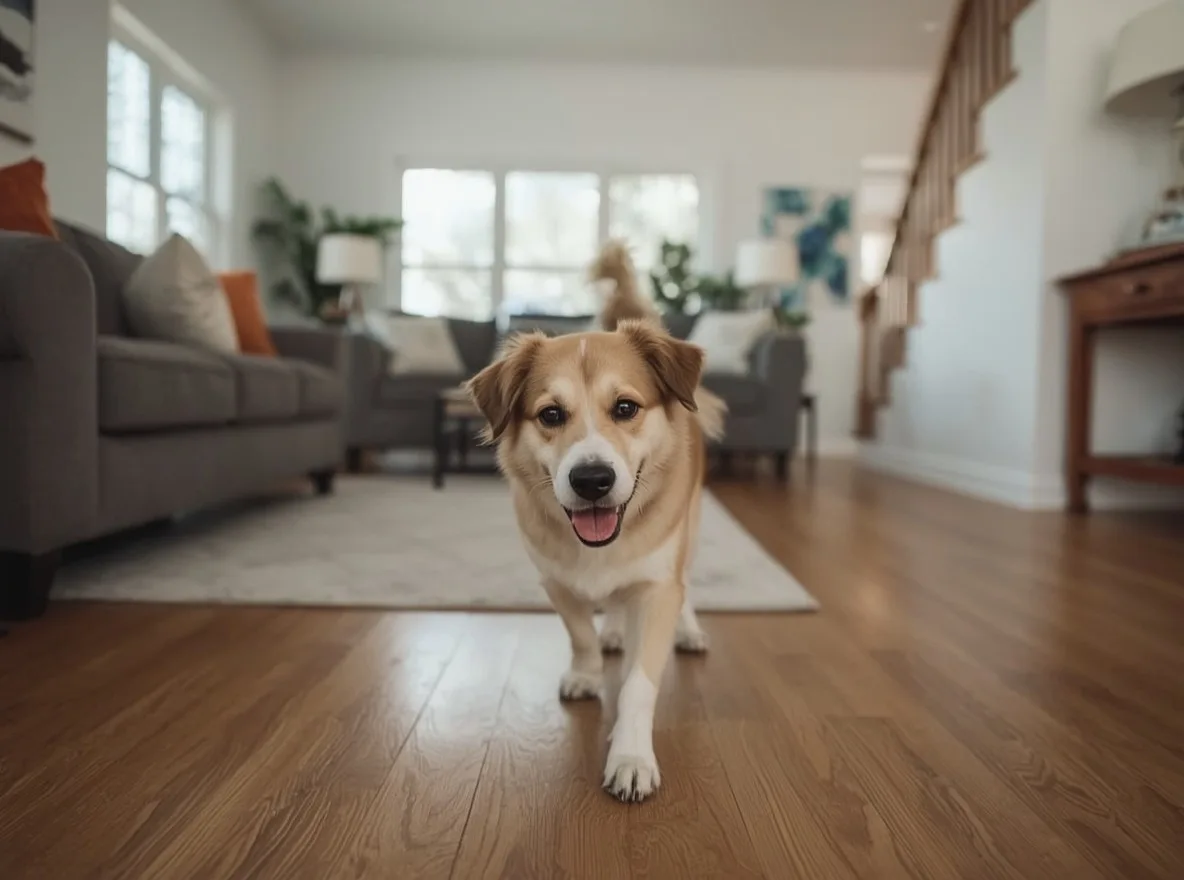
Overstimulation Can Look Surprisingly Quiet
Many owners expect an overstimulated dog to be running, barking, or bouncing off the walls.
Sometimes that happens.
But overstimulation doesn't always look dramatic. In fact, many dogs become quieter rather than more active. Instead of releasing their excitement through obvious bursts of energy, they remain in a constant state of alertness.
These dogs may lie down for long periods without truly relaxing. Their body appears still, but their mind continues working. They watch every movement in the room, lift their head whenever someone walks past, follow sounds with their ears, or open their eyes the moment they hear a door close or a person speak.
Some dogs repeatedly change sleeping positions, sigh, get comfortable for a minute, then stand up and lie somewhere else. Others seem unable to drift into deep sleep, even though they clearly look tired.
This happens because the nervous system is still processing recent stimulation. The body has stopped moving, but the brain hasn't fully switched from an alert state into a restorative one.
Owners often mistake this quiet alertness for normal resting because the dog isn't behaving wildly. However, a dog can appear calm on the outside while still feeling mentally overwhelmed on the inside.
Over time, if recovery doesn't happen often enough, this constant low-level vigilance can make it increasingly difficult for a dog to fully relax after walks, play sessions, visitors, or other exciting experiences.
Your Dog May Look Tired but Still Be Overstimulated
Physical fatigue and mental recovery don't always happen at the same speed.
After an exciting day, your dog's muscles may feel tired while the brain continues processing everything that happened.
This often explains why some dogs:
- yawn but don't sleep;
- lie down but remain alert;
- keep getting up every few minutes;
- appear exhausted while still seeking activity.
Many owners notice this pattern in dogs that look tired but continue acting hyper.
What Can Cause Overstimulation?
Every dog has different triggers, but common causes include:
- long or busy walks;
- dog parks;
- playing fetch for extended periods;
- meeting many new people or dogs;
- training sessions without breaks;
- busy family gatherings;
- constant noise inside the home;
- multiple exciting events happening close together.
Even enjoyable experiences can become overwhelming if there isn't enough time to recover afterward.
Recovery Is Just as Important as Activity
One of the biggest misconceptions is that every restless dog simply needs more exercise.
While physical activity is important, the nervous system also needs opportunities to slow down.
Recovery may include:
- quiet time after walks;
- sniffing instead of constant running;
- chewing activities;
- lick mats;
- predictable daily routines;
- calm sleeping areas.
Helping a dog transition from excitement into relaxation is often just as valuable as the exercise itself.
Think of recovery as part of exercise rather than something that happens automatically. Many dogs become calmer when their daily routine includes both stimulation and deliberate opportunities to unwind.
When Overstimulation Becomes a Pattern
Occasional overstimulation is completely normal.
Every dog has days that are more exciting than others.
The concern arises when your dog rarely seems able to recover. If every walk, play session, visitor, or outing consistently leaves them unable to settle for hours, it may be worth adjusting their daily routine to include more decompression and calmer activities.
Dogs that regularly stay in a heightened state of arousal may also appear to struggle with calming down after exciting events.
When to Speak With Your Veterinarian
Behavior changes should always be viewed alongside your dog's overall health.
If restlessness appears suddenly, becomes progressively worse, or is accompanied by pain, excessive panting, digestive changes, or other unusual symptoms, a veterinary examination is recommended to rule out medical causes.
Final Thoughts
Not every energetic dog is simply hyper. Sometimes what looks like endless energy is actually a nervous system that hasn't fully recovered from excitement.
Learning to recognize the signs of overstimulation can help you better understand your dog's behavior. Instead of automatically adding more activity, focusing on recovery, balanced routines, and opportunities to truly relax often leads to a calmer and more comfortable dog.
Author: XPETSI Editorial Team