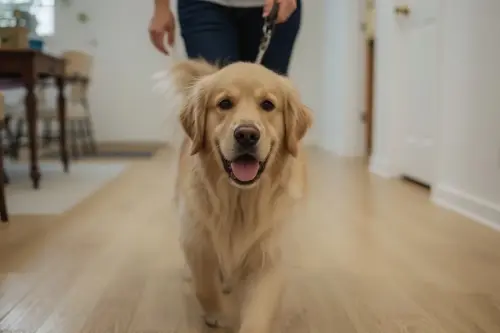
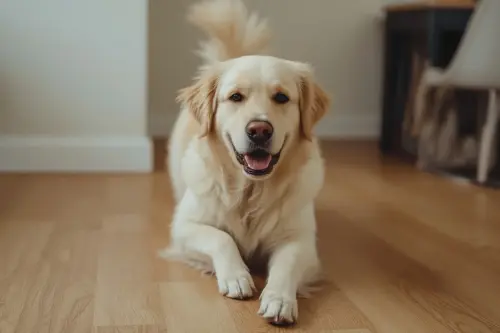
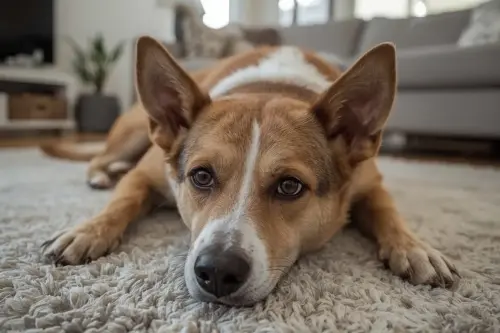
Dog owners are told that if their dog has too much energy, the answer is simple - more exercise. It sounds logical. A longer walk, another game of fetch, or extra running should leave a dog pleasantly tired and ready to relax.
But sometimes the opposite happens. Instead of settling down, your dog comes home even more restless, starts pacing around the house, demands more activity, barks at small noises, or seems unable to switch off.
If this sounds familiar, it doesn't necessarily mean your dog needs even more exercise. In many cases, it means their nervous system is struggling to recover from all the excitement.
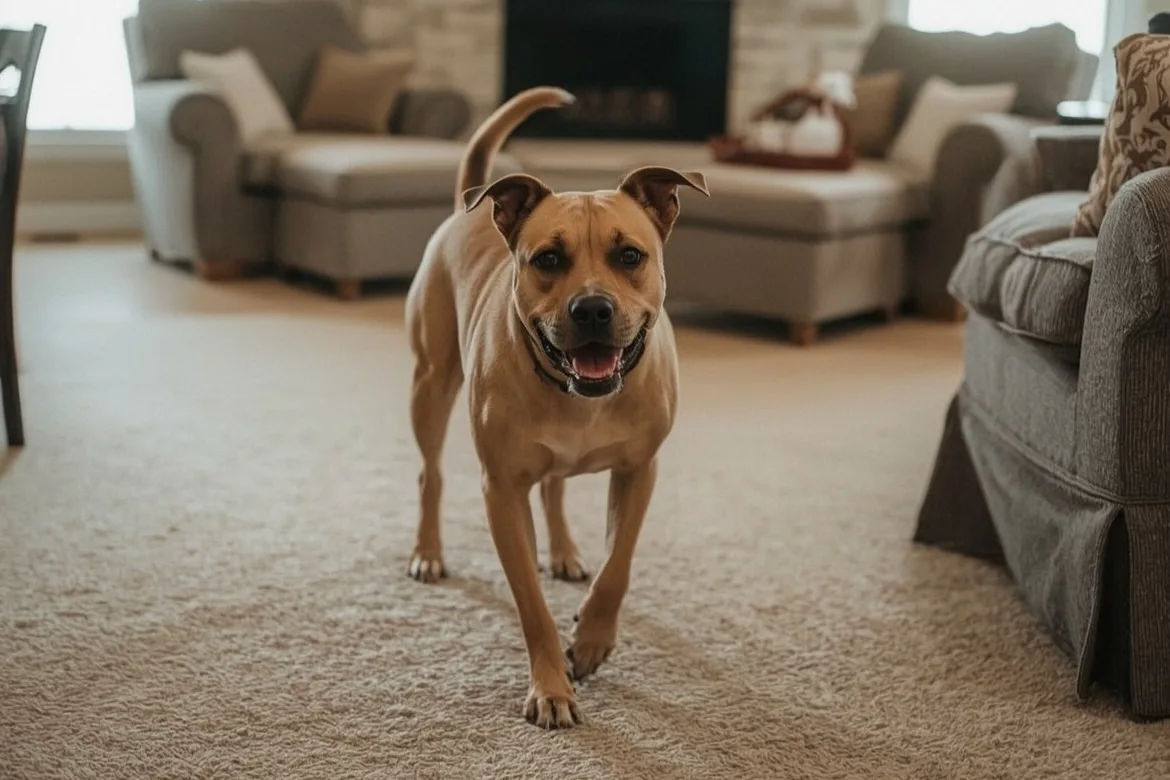
Exercise helps many dogs, but physical activity alone does not always create relaxation. How your dog's brain processes excitement afterward often matters just as much as the exercise itself.
Physical Tiredness and Mental Arousal Are Different Things
One of the biggest misunderstandings about canine behavior is assuming that physical fatigue automatically leads to emotional calmness.
While muscles may become tired after a long walk or intense play session, the brain can still remain highly alert. Exciting activities trigger adrenaline, dopamine, and other chemicals that prepare the body for action. These don't disappear the moment exercise ends.
This is why some dogs seem physically exhausted but continue pacing, watching every movement, reacting to sounds, or asking for another game.
Instead of feeling relaxed, they may simply be tired while their nervous system is still "awake."
Some Exercise Creates More Excitement Than Relaxation
Not every type of activity has the same effect.
Fast games like repeated fetch, chasing balls, rough play with other dogs, or high-speed running can keep adrenaline levels elevated for quite some time.
For many energetic dogs, these activities become emotionally stimulating rather than calming.
That doesn't mean these games are bad. They simply need to be balanced with opportunities for recovery.
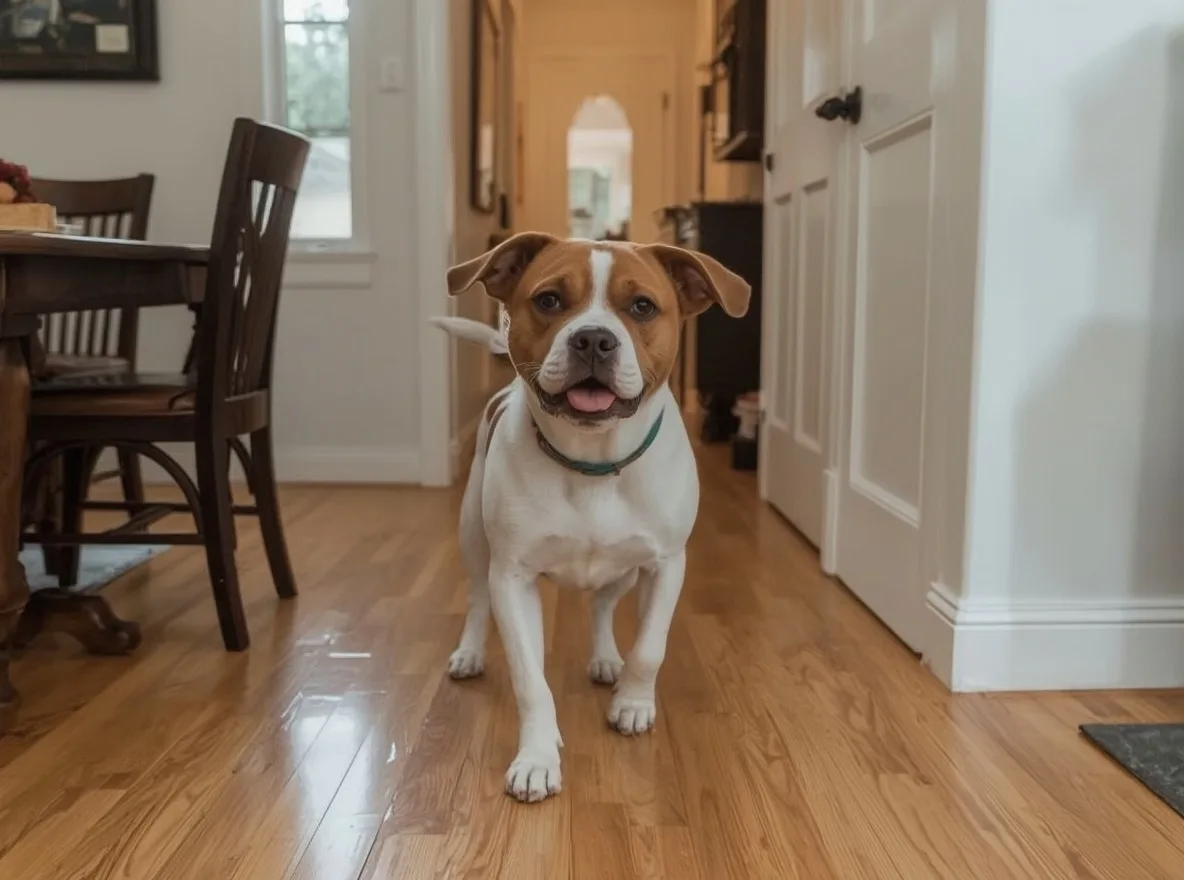
Your Dog May Be Staying in "Go Mode"
Dogs don't always know how to transition from excitement back to relaxation on their own.
Some individuals naturally stay in a high state of alert after stimulating activities. Their body remains prepared for more action even though the exercise has already finished.
You might notice your dog:
- continuing to run around the house;
- bringing toys repeatedly;
- following everyone from room to room;
- barking more than usual;
- reacting to small sounds;
- struggling to settle on their bed.
This often reflects prolonged arousal rather than a lack of exercise.
More Exercise Is Not Always the Solution
When a dog still seems energetic after a walk, many owners respond by adding even more activity.
Sometimes this works.
Sometimes it creates a cycle where the dog becomes increasingly fit while also becoming increasingly dependent on constant stimulation.
The body adapts to larger amounts of exercise, but the nervous system may receive fewer chances to practice calm recovery.
A balanced routine includes both activity and recovery. Learning how to relax is a skill that many energetic dogs develop gradually.
Exercise Without Recovery Can Lead to Overstimulation
Imagine spending an hour at a loud concert or amusement park. Even after returning home, you might still feel mentally "buzzing."
Dogs experience something similar.
Busy parks, exciting smells, interactions with other dogs, moving vehicles, wildlife, people, and games all provide enormous amounts of information for the brain to process.
If these experiences happen back-to-back without opportunities to decompress, some dogs become mentally overloaded instead of emotionally satisfied.
You may also notice signs that resemble overstimulation rather than simple hyperactivity.
Some Dogs Naturally Need Longer Recovery Time
Every dog recovers at a different pace.
Age, genetics, personality, previous experiences, and daily routine all influence how quickly the nervous system returns to a calm baseline.
High-energy breeds often stay alert longer after exciting events, but individual differences matter just as much as breed tendencies.
Some dogs relax within fifteen minutes, while others may need an hour or more before they truly settle.
Mental Activities Can Be More Relaxing Than Endless Running
Physical exercise is only one part of healthy enrichment.
Gentle mental activities often help activate calmer behaviors without continually increasing excitement.
Examples include:
- sniffing walks;
- food puzzles;
- scatter feeding;
- lick mats;
- chewing appropriate items;
- simple scent games.
These activities encourage concentration while avoiding the repeated adrenaline spikes that fast-paced games sometimes create.
Helping Your Dog Transition Into Rest
The period immediately after exercise is often overlooked.
Instead of expecting your dog to instantly fall asleep, think about helping them shift gradually into a quieter state.
A calm routine after walks or play may include:
- offering fresh water;
- moving into a quieter room;
- allowing sniffing before heading home;
- providing a chew or licking activity;
- keeping the household calm for a short period.
Many dogs learn these predictable routines over time and begin relaxing more easily after activity.
When Constant Restlessness May Need Attention
If your dog never seems able to settle despite appropriate exercise, good sleep, and predictable routines, it may be worth discussing the behavior with your veterinarian or a qualified behavior professional.
Persistent inability to relax can occasionally be influenced by discomfort, chronic stress, anxiety, or medical conditions rather than simply having "too much energy."
Final Thoughts
Exercise is an important part of every dog's life, but it isn't a universal cure for restlessness.
For many dogs, learning to recover from excitement is just as important as the activity itself. A balanced combination of physical exercise, mental enrichment, predictable routines, and quiet recovery time often leads to a calmer dog than simply adding another walk or another game of fetch.
Author: XPETSI Editorial Team