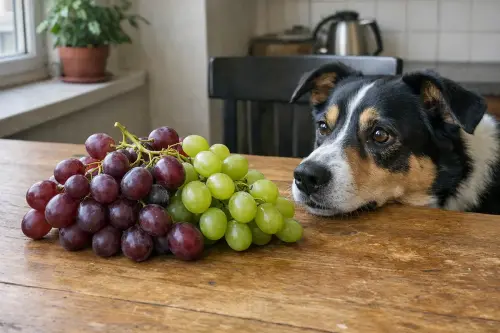
Red bell peppers often appear in healthy human diets, but many dog owners hesitate when their pet shows interest in these bright vegetables. Are red peppers safe for dogs, or could they cause hidden health problems? The short answer is that dogs can eat red bell peppers, but only under specific conditions. Understanding the benefits, risks, proper preparation, and serving sizes is essential before adding them to your dog’s diet.
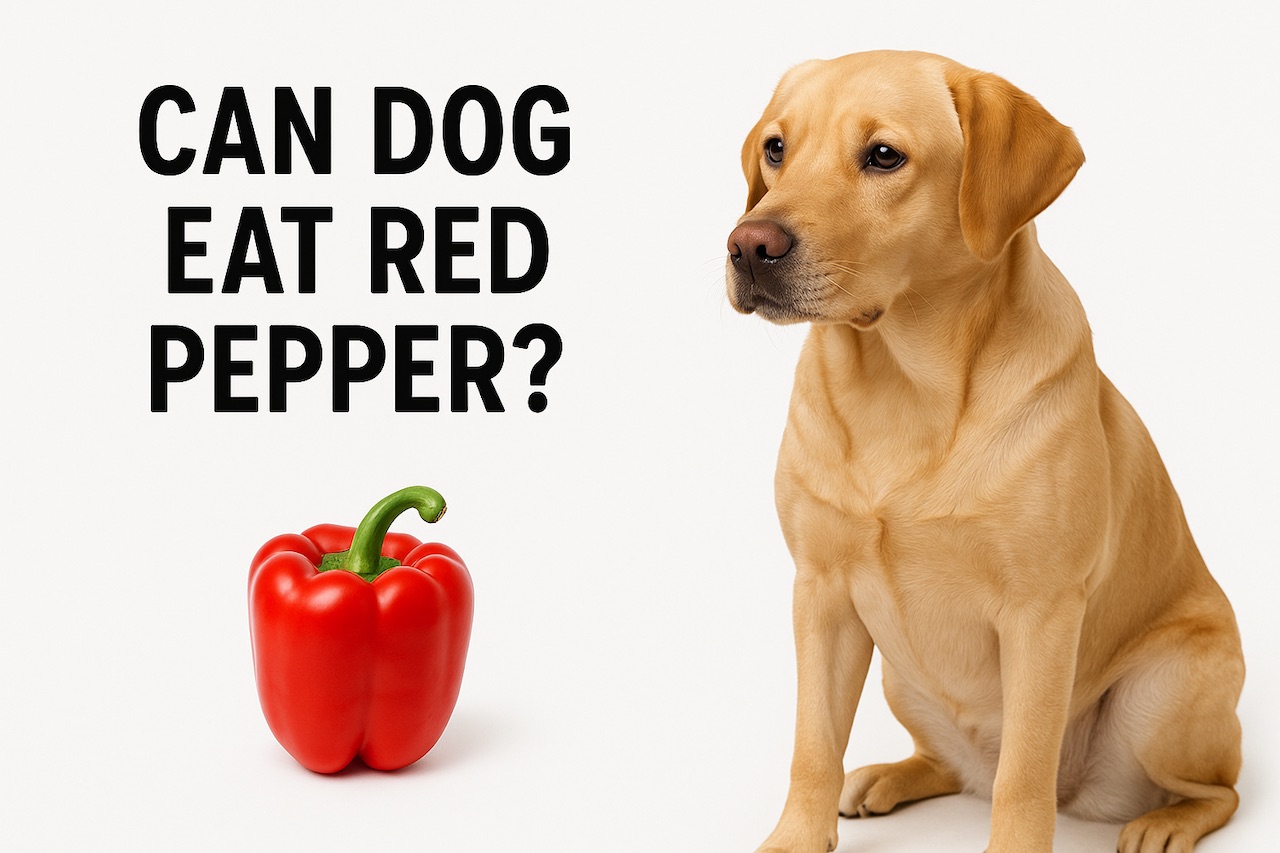
This detailed guide explains everything dog owners need to know about red peppers — from nutritional value and digestive effects to safety guidelines for puppies, senior dogs, and sensitive breeds.
What Are Red Peppers?
Red peppers, commonly called red bell peppers, are fully ripened sweet peppers from the Capsicum annuum family. Unlike chili peppers, red bell peppers are not spicy and contain zero capsaicin, the compound responsible for heat.
They are widely used in human diets due to their high vitamin content, antioxidants, and low calorie count. Because dogs share some nutritional needs with humans, red peppers may offer benefits when used correctly.
Can Dogs Eat Red Peppers?
Yes, dogs can eat red peppers safely when they are:
- Fresh and ripe
- Washed thoroughly
- Served raw or lightly cooked
- Free from seeds, stems, salt, oil, or seasoning
Red peppers are non-toxic to dogs and are considered safer than green or yellow peppers due to their higher nutrient concentration and milder fiber structure.
Nutritional Value of Red Peppers for Dogs
Red peppers are one of the most nutrient-dense vegetables dogs can eat in moderation.
| Nutrient | Benefit for Dogs |
|---|---|
| Vitamin C | Supports immune function and reduces inflammation |
| Vitamin A (Beta-carotene) | Improves eye health and skin condition |
| Vitamin B6 | Supports brain function and metabolism |
| Vitamin E | Promotes healthy coat and skin |
| Antioxidants | Fight oxidative stress and aging |
| Fiber | Aids digestion when given in small amounts |
Health Benefits of Red Peppers for Dogs
1. Immune System Support
The high vitamin C content in red peppers helps strengthen your dog’s immune system, especially during stress, seasonal changes, or recovery from illness.
2. Eye and Vision Health
Beta-carotene converts into vitamin A, supporting retinal health and reducing the risk of age-related vision problems.
3. Skin and Coat Improvement
Vitamin E and antioxidants help maintain a shiny coat and reduce dryness or irritation.
4. Weight Management
Red peppers are low in calories and fat, making them a good snack option for overweight dogs when used occasionally.
Potential Risks of Feeding Red Peppers to Dogs
Although red peppers are generally safe, they are not risk-free.
Digestive Upset
Too much fiber may cause gas, bloating, or diarrhea, especially in dogs not accustomed to vegetables.
Choking Hazard
Large chunks or seeds can pose a choking risk, particularly for small dogs.
Sensitive Stomachs
Dogs with gastrointestinal sensitivities may experience vomiting or loose stools.
Seasonings and Oils
Cooked peppers prepared for humans often contain garlic, onion, salt, or oil — all of which are harmful to dogs.
Are Red Peppers Safe for Puppies?
Red peppers can be safe for puppies in very small amounts, but they are not an essential part of a puppy’s diet. Unlike adult dogs, puppies have more sensitive digestive systems that are still developing. Even foods that are considered safe for adult dogs can cause stomach upset in young puppies. Because of this, red peppers should only be introduced cautiously and never as a regular food.
From a nutritional standpoint, red peppers contain vitamins such as vitamin C, vitamin A, and antioxidants that can support immune health. However, puppies already receive all the nutrients they need from high-quality puppy food formulated specifically for growth and development. The benefits of red peppers for puppies are minimal compared to the risk of digestive irritation, especially if the pepper is given raw or in large pieces.
One of the main concerns with feeding red peppers to puppies is gastrointestinal discomfort. Puppies may experience diarrhea, gas, bloating, or vomiting after eating red peppers, particularly if the skin is tough or the pepper is not cooked. Raw red peppers are harder to digest, while cooked, plain peppers without seasoning are generally easier on a puppy’s stomach. Spices, oils, salt, or onions should never be added, as these can be harmful.
If you decide to let your puppy try red pepper, it should be offered only as a tiny taste, finely chopped or lightly cooked, and given infrequently. Always monitor your puppy for any signs of discomfort or allergic reaction after introducing a new food. When in doubt, it is best to avoid vegetables like red peppers altogether and stick to foods recommended by a veterinarian, especially during the crucial early months of a puppy’s life.
Start with a tiny, finely chopped piece and observe your puppy for 24 hours. If there are no digestive issues, red peppers can be given occasionally as a treat.
Are Red Peppers Good for Senior Dogs?
Red peppers can be a healthy addition to a senior dog’s diet when prepared correctly and fed in moderation. As dogs age, their metabolism slows down and their nutritional needs change, making foods rich in vitamins and antioxidants especially valuable. Red bell peppers are one of the best vegetable sources of vitamin C, vitamin A, and beta-carotene, all of which support immune function, eye health, and overall cellular protection in older dogs. Unlike spicy peppers, sweet red bell peppers contain no capsaicin, making them safe for dogs with sensitive stomachs.
One of the main benefits of red peppers for senior dogs is their antioxidant content. Aging dogs are more prone to inflammation, joint stiffness, and weakened immune responses. Antioxidants such as beta-carotene help combat oxidative stress, which can contribute to cognitive decline and chronic disease. Vitamin C also plays a role in supporting joints and connective tissue, which is especially helpful for senior dogs dealing with arthritis or reduced mobility.
However, red peppers should never replace a balanced senior dog diet and must be introduced gradually. Older dogs often have more delicate digestive systems, and sudden dietary changes can cause gas, diarrhea, or vomiting. Red peppers should always be served raw or lightly steamed, without oils, salt, garlic, or seasonings. Chopping them into small, soft pieces helps prevent choking and makes digestion easier, particularly for dogs with dental issues.
While red peppers are generally safe, they may not be suitable for every senior dog. Dogs with a history of gastrointestinal disorders, food sensitivities, or kidney problems should only eat red peppers after approval from a veterinarian. Feeding small portions once or twice a week is usually enough to provide nutritional benefits without stressing the digestive system. When fed responsibly, red peppers can be a refreshing, low-calorie snack that supports the health and vitality of senior dogs.
How to Prepare Red Peppers for Dogs
- Wash thoroughly to remove pesticides
- Remove seeds and stem
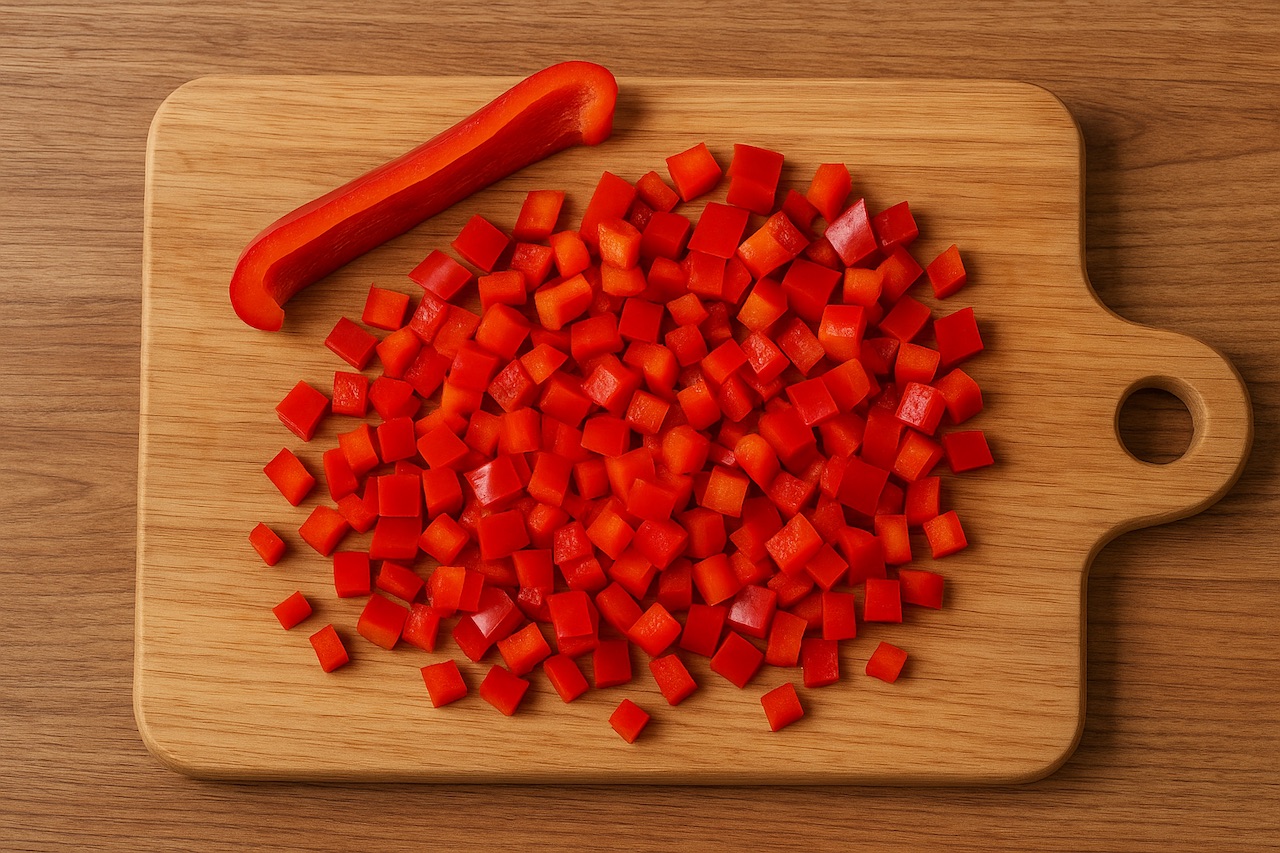
- Cut into small, bite-sized pieces
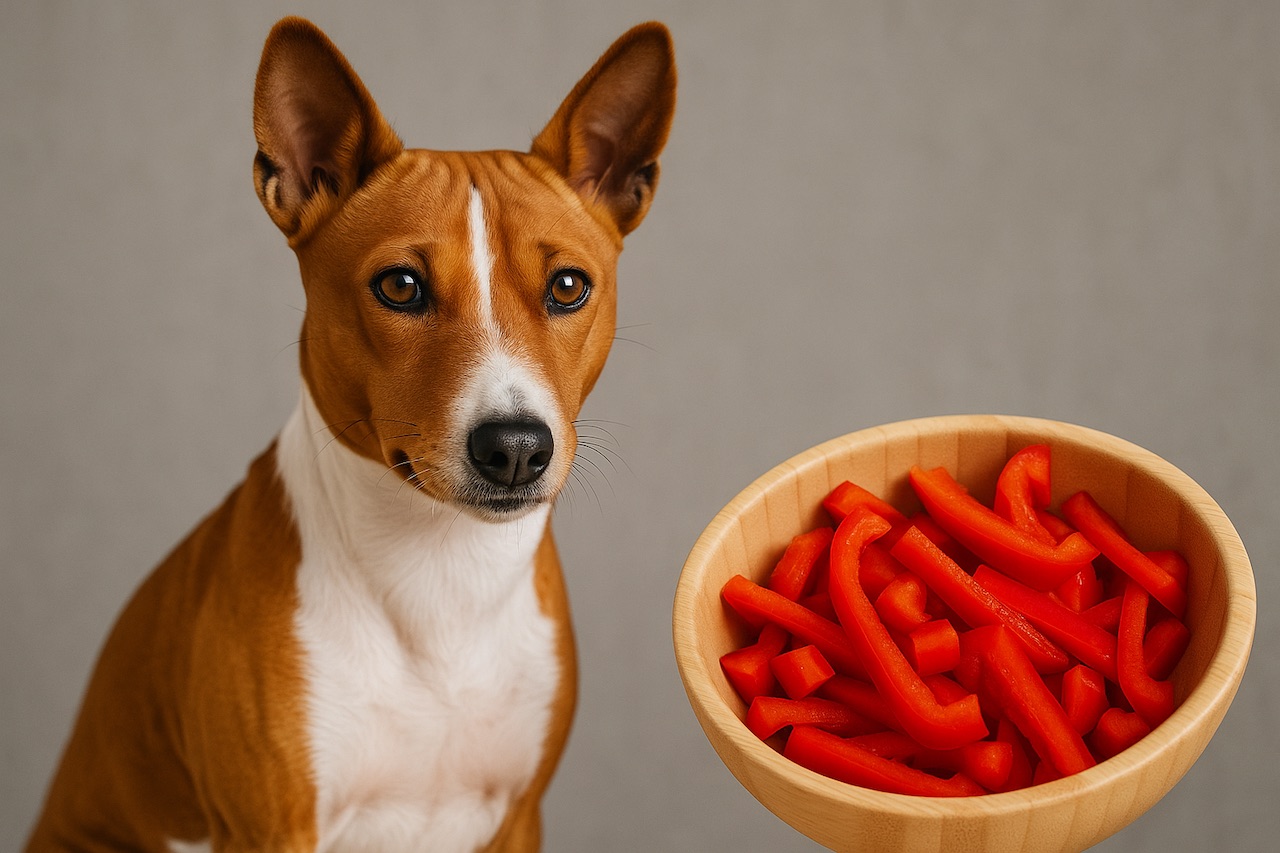
- Serve raw or lightly steamed
- Never add salt, oil, garlic, or spices
Recommended Serving Size
| Dog Size | Recommended Amount | Frequency |
|---|---|---|
| Small Dogs | 1–2 small pieces | 1–2 times per week |
| Medium Dogs | 2–3 small pieces | 1–2 times per week |
| Large Dogs | 3–5 small pieces | 2 times per week |
Red Peppers vs Other Peppers
| Pepper Type | Safe for Dogs? | Notes |
|---|---|---|
| Red Bell Pepper | Yes | Highest nutritional value |
| Green Bell Pepper | Yes | More bitter, harder to digest |
| Yellow/Orange Pepper | Yes | Moderate nutrition |
| Chili / Jalapeño | No | Contains capsaicin |
Can Dogs Eat Cooked Red Peppers?
Dogs can eat cooked red peppers only if they are:
- Steamed or boiled
- Unseasoned
- Free from oil or butter
Frying or roasting with spices makes peppers unsafe for dogs.
FAQ: Red Peppers and Dogs
Can red peppers cause diarrhea in dogs?
Yes, if fed in large amounts or to dogs with sensitive stomachs.
Are red peppers toxic to dogs?
No, red bell peppers are non-toxic.
Can dogs eat red pepper skin?
Yes, but the skin may be harder to digest. Cooking can help.
Can dogs eat red peppers every day?
No, they should be an occasional treat, not a daily food.
Are red peppers better than green peppers for dogs?
Yes, red peppers are more nutritious and easier to digest.
Final Verdict: Should Dogs Eat Red Peppers?
Red bell peppers can be a safe, nutritious, and low-calorie treat for dogs when served correctly and in moderation. They offer valuable vitamins and antioxidants but should never replace a balanced dog diet.
If your dog has digestive issues, food allergies, or chronic health conditions, consult your veterinarian before introducing red peppers or any new food.
Author: XPETSI Editorial Team