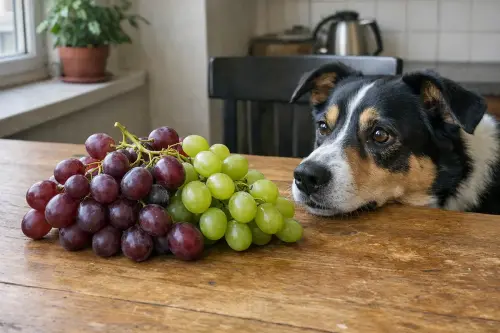
Many dog owners wonder whether vegetables commonly found in their kitchens are safe for pets. One frequent question is: can dogs eat green peppers? These crunchy vegetables are popular in human diets, but their safety for dogs depends on how they are prepared, how much is given, and the dog’s individual health. In this article, we’ll take a detailed look at whether green peppers are safe for dogs, their potential benefits, possible risks, and how to serve them correctly.
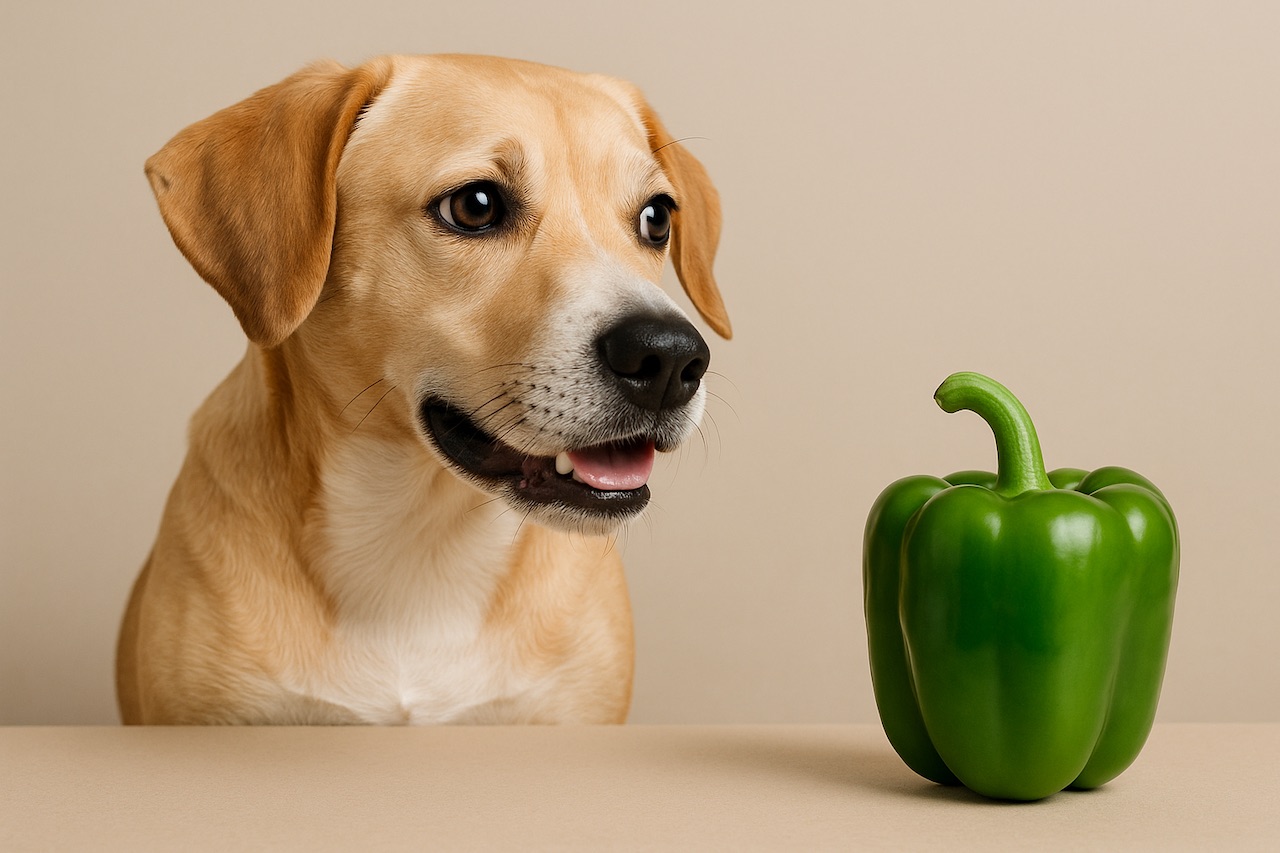
What Are Green Peppers?
Green peppers, also known as bell peppers or sweet peppers, are unripe versions of red, yellow, and orange peppers. Unlike chili or hot peppers, green peppers do not contain capsaicin, the compound responsible for spiciness. This makes them much milder and generally safer for dogs compared to spicy varieties.
They are low in calories and high in water content, which makes them appealing as a crunchy snack. However, just because something is healthy for humans does not automatically mean it is ideal for dogs.
Are Green Peppers Safe for Dogs?
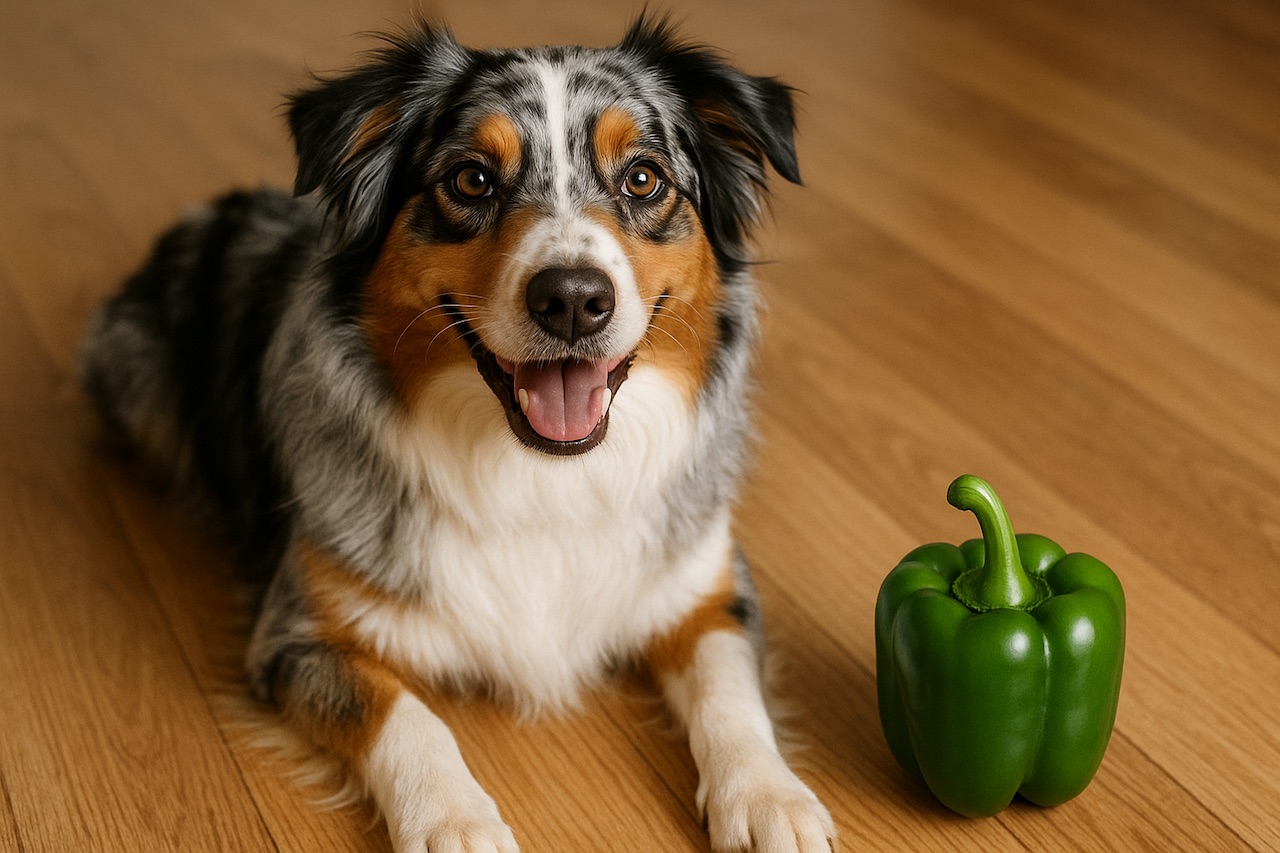
Yes, dogs can eat green peppers safely when they are fresh, plain, and given in moderation. Green peppers are not toxic to dogs and do not contain compounds that are inherently dangerous. Many dogs can digest them without any problems, especially when peppers are properly prepared.
That said, green peppers should never replace a balanced dog diet. They should be considered an occasional supplement or treat rather than a staple food.
Nutritional Benefits of Green Peppers for Dogs
Green peppers contain several nutrients that can support a dog’s overall health when consumed in small amounts:
- Vitamin C – supports immune function and helps fight inflammation.
- Vitamin A – important for eye health and skin condition.
- Fiber – aids digestion and helps maintain healthy bowel movements.
- Antioxidants – help combat oxidative stress in the body.
Although dogs can produce their own vitamin C, additional sources from food may still be beneficial, especially for older or stressed dogs.
Potential Risks of Feeding Green Peppers to Dogs
While green peppers are generally safe, there are some risks to keep in mind:
- Digestive upset: Large quantities may cause gas, bloating, or diarrhea.
- Choking hazard: Large or tough pieces can be difficult to chew, especially for small dogs.
- Sensitive stomachs: Some dogs may have trouble digesting raw vegetables.
Always observe your dog after introducing any new food and discontinue feeding if you notice vomiting, loose stools, or discomfort.
Raw vs Cooked Green Peppers
Both raw and cooked green peppers can be safe for dogs, but each has pros and cons:
| Form | Pros | Cons |
|---|---|---|
| Raw | Crunchy texture, retains nutrients | Harder to digest, may cause gas |
| Cooked | Easier to digest, softer texture | Must be plain, slight nutrient loss |
If cooking green peppers, avoid oil, salt, garlic, onions, or spices, as these can be harmful to dogs.
How to Serve Green Peppers to Dogs
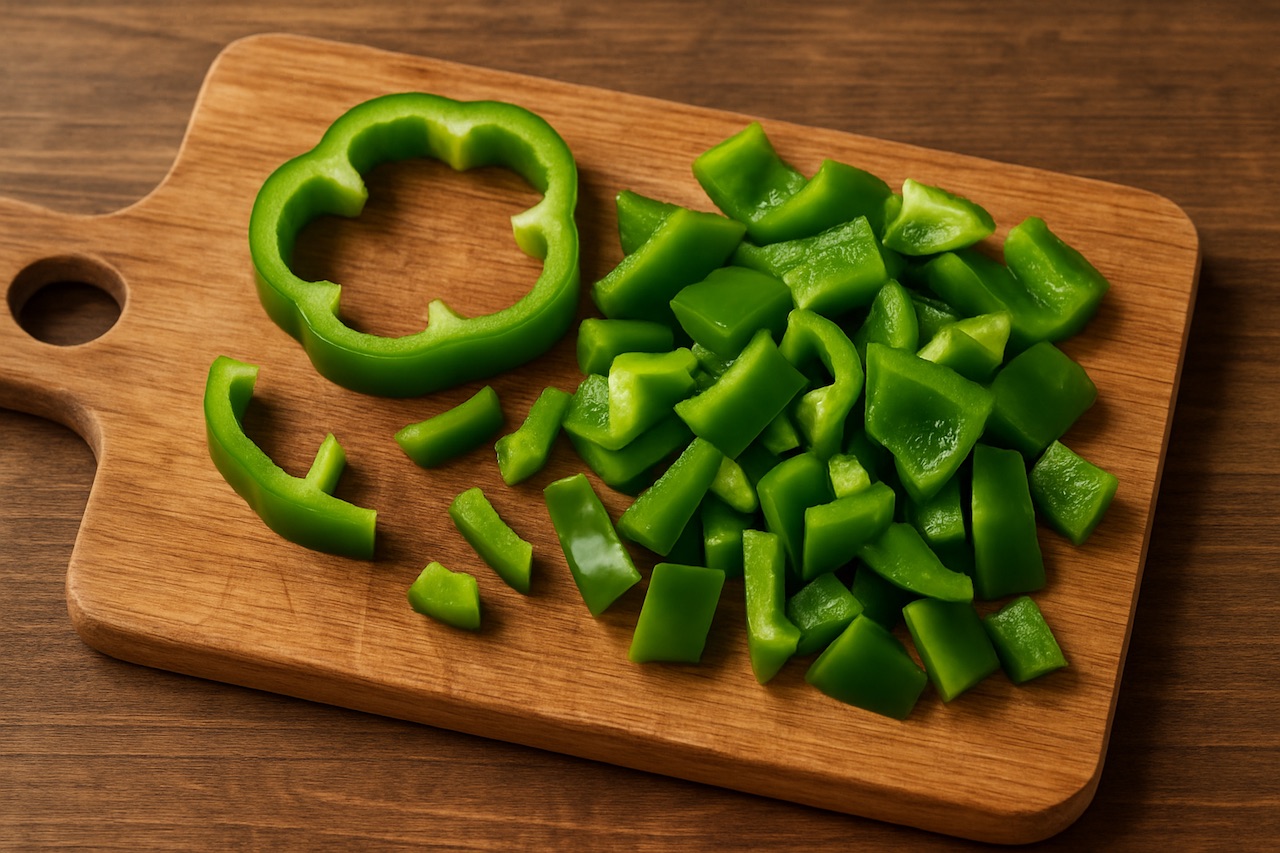
To safely serve green peppers:
- Wash thoroughly to remove pesticides.
- Remove seeds and stems.
- Cut into small, bite-sized pieces.
- Serve plain, without seasoning.
For dogs with sensitive stomachs, lightly steaming the peppers may make them easier to digest.
Recommended Serving Size
Green peppers should be given in moderation. A general guideline:
- Small dogs: 1–2 small pieces
- Medium dogs: A few bite-sized strips
- Large dogs: Up to half a small pepper
Vegetables should make up no more than 10% of your dog’s daily food intake.
Can Puppies Eat Green Peppers?
Puppies can eat green peppers in small amounts, but they should not be a regular part of their diet. Green peppers are not toxic to dogs, including puppies, and they contain vitamins such as vitamin C, vitamin A, and fiber. However, a puppy’s digestive system is still developing, which makes it more sensitive to foods that are harder to digest or unfamiliar.
One of the main concerns with green peppers for puppies is digestion. Raw green peppers are firm and can be difficult for young dogs to chew and break down properly. This may lead to stomach upset, gas, or loose stools. If green peppers are offered, they should always be cooked (steamed or boiled), finely chopped, and served plain without salt, oil, or spices.
Portion size is extremely important. Puppies should only receive a very small taste, not a full serving. Green peppers should be treated as an occasional snack rather than a nutritional necessity. A puppy’s primary nutrition should come from a balanced, age-appropriate puppy food that supports proper growth and development.
In some cases, green peppers may not be suitable at all. Puppies with sensitive stomachs, food intolerances, or a history of digestive issues may react poorly even to small amounts. If a puppy shows signs such as vomiting, diarrhea, or loss of appetite after eating green pepper, it should be avoided in the future. When in doubt, consulting a veterinarian is always the safest choice.
Are Green Peppers Good for Senior Dogs?
Green peppers can be a healthy addition to a senior dog’s diet when given in moderation and prepared correctly. They are low in calories and rich in vitamins such as vitamin C, vitamin A, and vitamin K, which support immune function, vision, and overall cell health. For older dogs that tend to gain weight or need lighter snacks, green peppers can be a crunchy, refreshing alternative to high-calorie treats.
One of the main benefits of green peppers for senior dogs is their antioxidant content. Antioxidants help combat oxidative stress, which increases with age and is linked to joint issues, cognitive decline, and chronic inflammation. The fiber in green peppers may also support digestion, which can slow down in older dogs, helping maintain more regular bowel movements.
However, green peppers should always be served properly to senior dogs. They should be washed thoroughly, seeds and stems removed, and ideally lightly cooked or finely chopped to make them easier to chew and digest. Raw peppers can be harder for older dogs with dental problems or sensitive stomachs to process, potentially causing gas or mild digestive discomfort.
While green peppers are generally safe, they should never replace a balanced senior dog diet. Dogs with existing digestive issues, kidney problems, or food sensitivities may not tolerate peppers well. As with any new food, it’s best to introduce green peppers slowly and observe your dog’s reaction. If your senior dog shows signs of stomach upset, it’s best to discontinue and consult a veterinarian.
When You Should Avoid Green Peppers
Avoid feeding green peppers if your dog:
- Has chronic digestive issues
- Is recovering from gastrointestinal illness
- Shows signs of intolerance after eating peppers
In these cases, consult your veterinarian before adding new foods.
Green Peppers vs Hot Peppers
It’s important to distinguish green bell peppers from spicy peppers. Dogs should never eat chili peppers, jalapeños, or any hot pepper varieties, as capsaicin can cause pain, irritation, vomiting, and diarrhea.
Only sweet bell peppers—green, red, yellow, or orange — are considered safe.
FAQ
Can dogs eat green peppers every day?
No. Green peppers should be an occasional treat, not a daily food.
Can dogs eat green pepper skin?
Yes, but it may be harder to digest. Cooking can help soften the skin.
Can dogs eat green peppers with other vegetables?
Yes, as long as all vegetables are dog-safe and served plain.
Are green peppers better than red peppers for dogs?
Red peppers contain more vitamins, but both are safe when given in moderation.
Conclusion
Green peppers can be a safe and healthy occasional treat for dogs when served properly. They offer vitamins, fiber, and antioxidants without adding many calories. However, moderation is key, and preparation matters. Always introduce new foods slowly and watch for any signs of digestive upset. When in doubt, consult your veterinarian to ensure the best diet for your dog.
Author: XPETSI Editorial Team