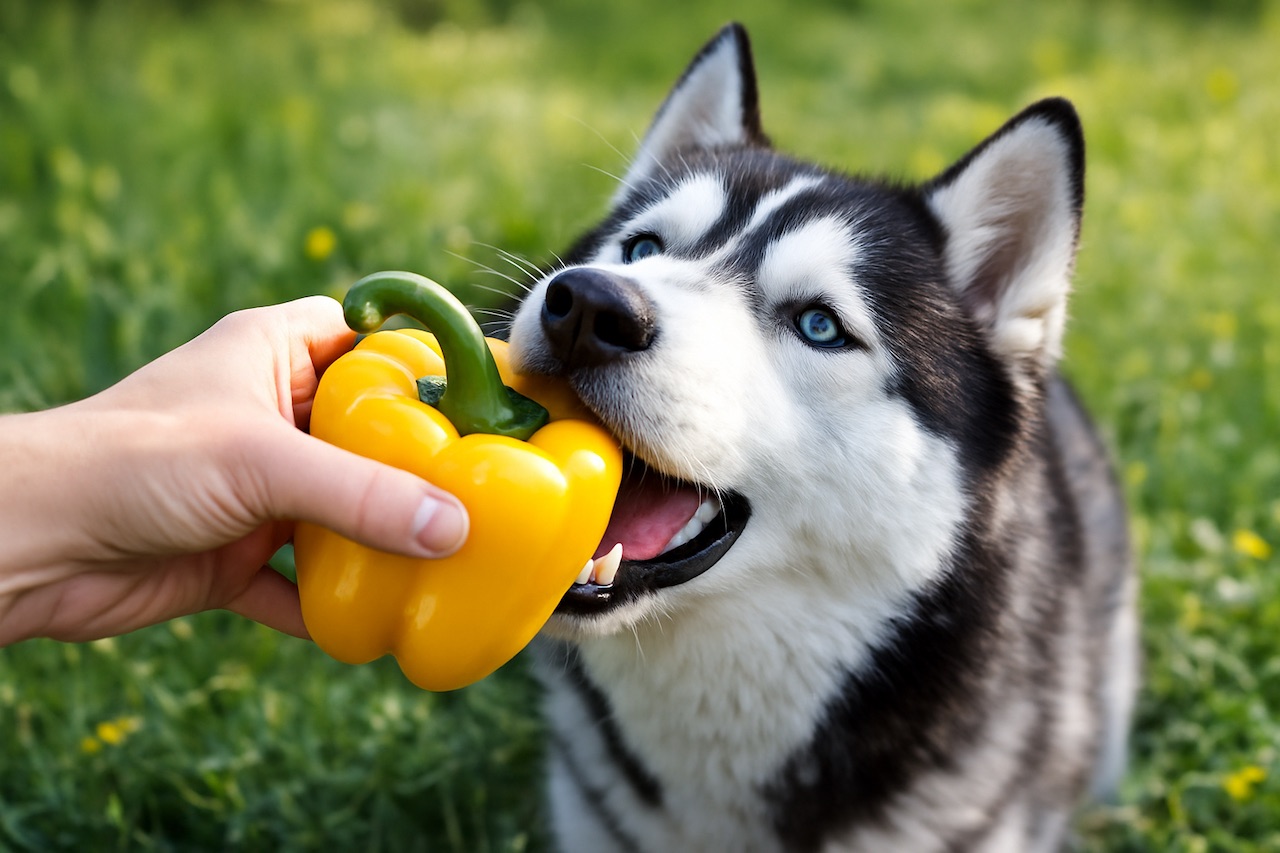
Yellow bell peppers often appear in healthy human diets, so it’s natural for dog owners to wonder whether these bright vegetables are safe for their pets. The short answer is yes — dogs can eat yellow peppers — but only when they are prepared correctly and fed in moderation. Like many vegetables, yellow peppers offer nutritional benefits, yet they can also cause digestive issues if given improperly.
In this article, we’ll look at whether yellow peppers are safe for dogs, their potential health benefits, possible side effects, recommended serving sizes, and when it’s best to avoid them altogether.
Are Yellow Peppers Safe for Dogs?
Yellow bell peppers are generally safe for dogs when they are fresh, ripe, and served plain. They are non-toxic and do not contain compounds that are inherently dangerous to dogs. Unlike spicy chili peppers, yellow bell peppers have a mild flavor and lack capsaicin, the compound responsible for heat and irritation.
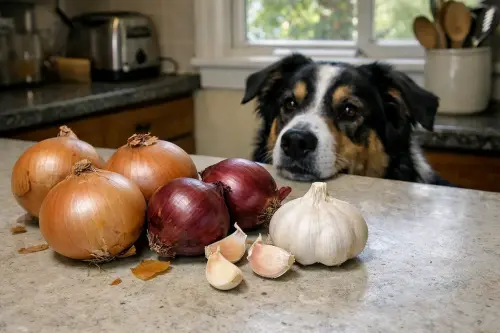
However, safety depends heavily on preparation. Yellow peppers should always be served raw or lightly cooked, without oil, salt, garlic, onions, or seasoning. Added fats and spices are the most common reasons dogs experience side effects after eating vegetables.
Nutritional Benefits of Yellow Peppers for Dogs
Yellow bell peppers are rich in vitamins and antioxidants that can support a dog’s overall health. While dogs don’t need vegetables to survive, small amounts can provide useful micronutrients.
- Vitamin C: Supports immune function and helps reduce inflammation
- Vitamin A (beta-carotene): Important for eye health and skin condition
- Vitamin B6: Helps with metabolism and brain function
- Fiber: Aids digestion when fed in small amounts
- Antioxidants: Help combat oxidative stress and support cellular health
Yellow peppers contain slightly less vitamin C than red peppers, but more than green peppers, making them a balanced option among bell pepper varieties.
Possible Side Effects of Yellow Peppers in Dogs
Although yellow peppers are safe for most dogs, they can still cause side effects — especially if fed in large quantities or to dogs with sensitive stomachs.
Common side effects may include:
- Mild diarrhea
- Gas or bloating
- Soft stools
- Stomach discomfort
These symptoms usually occur because of the pepper’s fiber content rather than toxicity. Dogs that are not used to vegetables may need time to adjust.
How to Prepare Yellow Peppers for Dogs
Proper preparation is key to avoiding side effects. Follow these simple rules:
- Wash thoroughly to remove pesticides
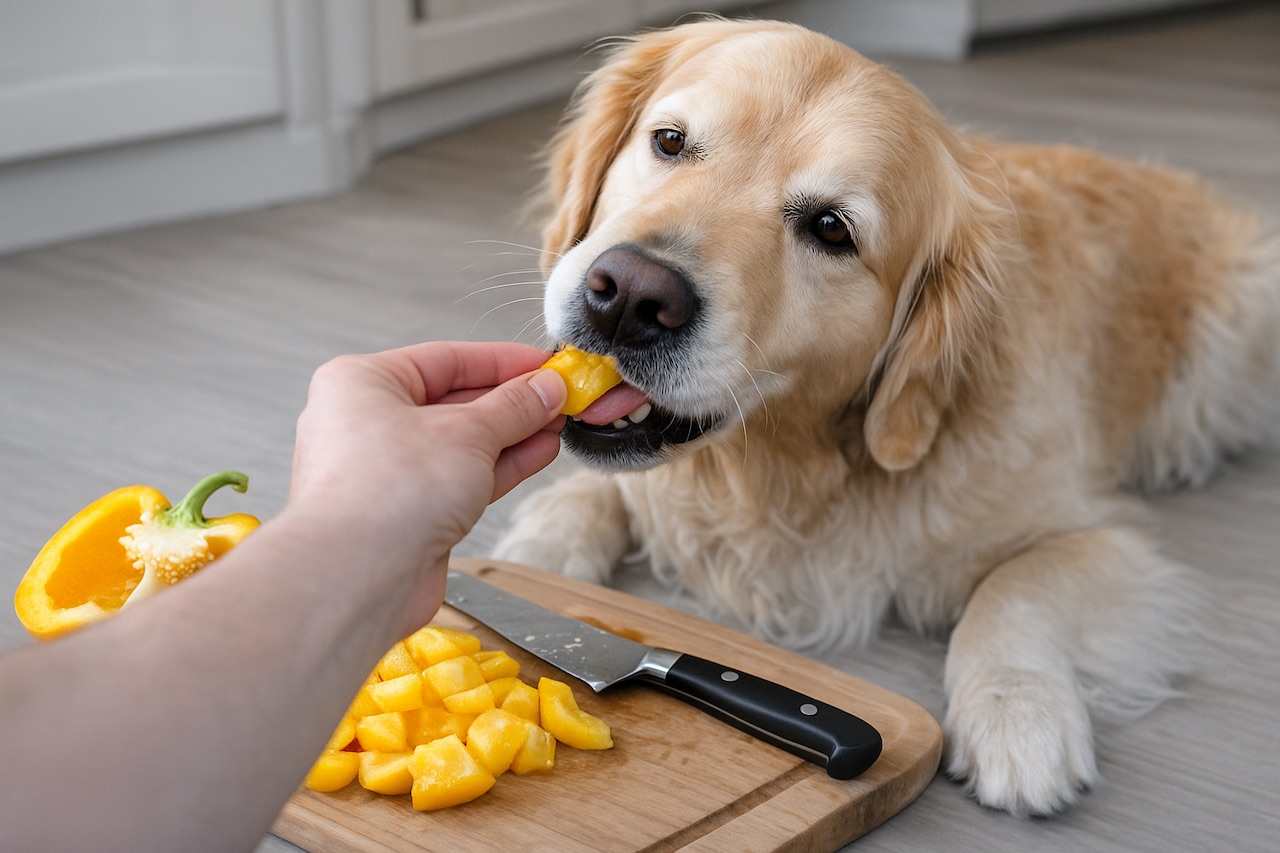
- Remove the stem, seeds, and inner white membrane
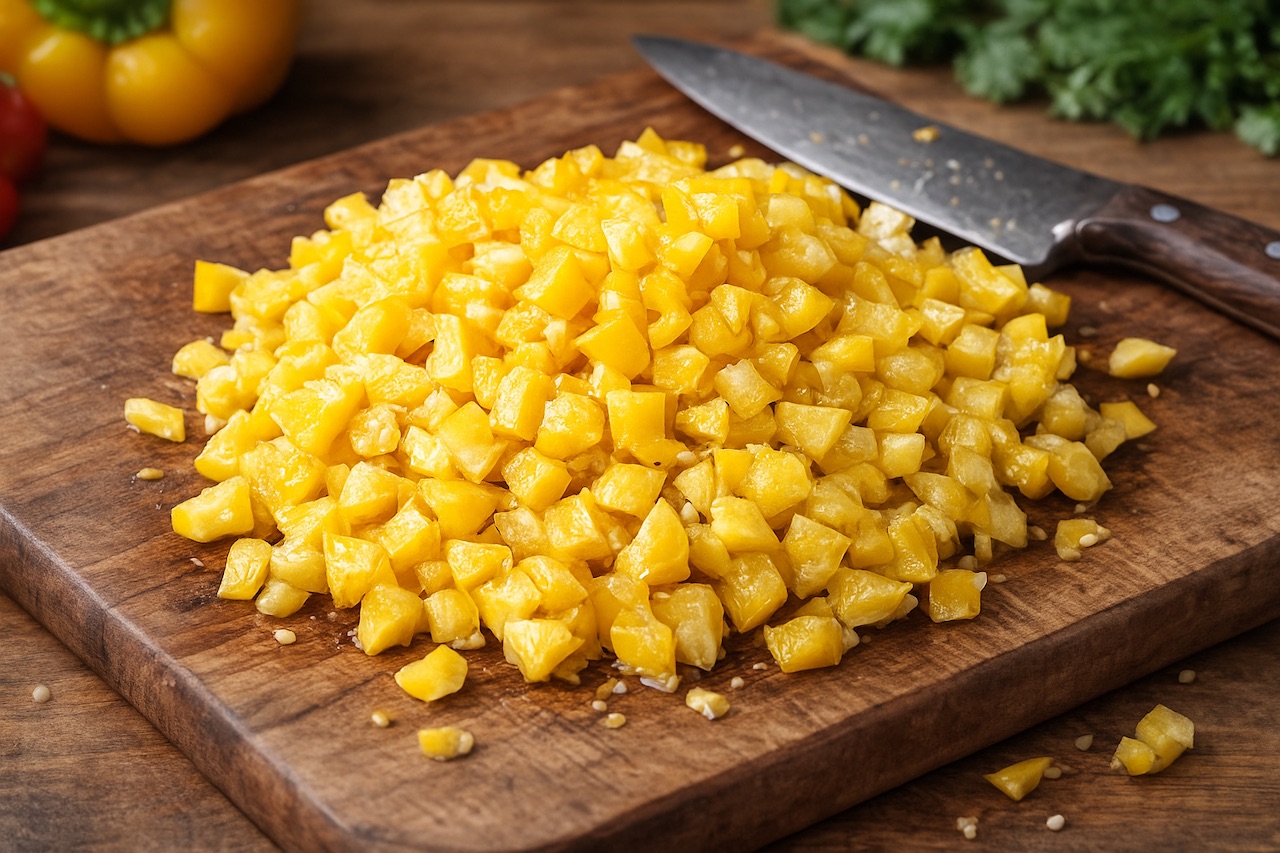
- Cut into small, bite-sized pieces
- Serve raw or lightly steamed
- Never add salt, oil, butter, or spices
Steaming can make yellow peppers easier to digest for dogs with sensitive stomachs, but raw peppers retain more vitamins.
Recommended Serving Size for Dogs
| Dog Size | Recommended Amount | Frequency |
|---|---|---|
| Small dogs | 1–2 small pieces | 1–2 times per week |
| Medium dogs | 2–4 small pieces | 2 times per week |
| Large dogs | 4–6 small pieces | 2–3 times per week |
Yellow peppers should be treated as a snack or supplement, not a meal replacement.
Can Puppies Eat Yellow Peppers?
Puppies can eat yellow peppers, but only in very small amounts and with proper preparation. Yellow peppers are not toxic to dogs and contain beneficial nutrients such as vitamin C, vitamin A, and antioxidants that support immune health. However, a puppy’s digestive system is still developing, which makes it more sensitive than that of an adult dog. Because of this, even safe vegetables should be introduced cautiously.
The main concern with feeding yellow peppers to puppies is digestion. Raw peppers can be difficult for young dogs to break down and may cause gas, loose stools, or mild stomach discomfort. To reduce this risk, yellow peppers should be washed thoroughly, seeds and stems removed, and lightly cooked (steamed or boiled without seasoning). Cooking softens the pepper’s fibers, making it easier for puppies to digest.
Yellow peppers should never replace a puppy’s balanced, age-appropriate diet. They should only be offered as an occasional treat, not a daily food. A few small, bite-sized pieces once in a while are more than enough. If a puppy shows any signs of digestive upset after eating yellow peppers, it’s best to stop feeding them and stick to foods specifically formulated for puppy nutrition.
For puppies under 6 months old, it’s often better to stick to veterinarian-approved treats unless there’s a specific reason to introduce vegetables.
Are Yellow Peppers Good for Senior Dogs?
Yellow peppers can be a healthy occasional addition to a senior dog’s diet when prepared correctly. They are low in calories and rich in vitamins such as vitamin C, vitamin A, and vitamin B6, which support immune function and overall vitality. For older dogs that may struggle with weight management, yellow peppers provide nutrients without adding excessive fat or calories.
One of the main benefits of yellow peppers for senior dogs is their antioxidant content. Antioxidants help combat oxidative stress, which naturally increases with age and can contribute to joint issues, cognitive decline, and weaker immune responses. Vitamin C in particular may help support joint health and reduce inflammation, which is especially useful for senior dogs with arthritis or reduced mobility.
However, digestive sensitivity is more common in older dogs, so yellow peppers should always be introduced slowly and in small amounts. They must be served plain—washed thoroughly, with seeds and stems removed, and ideally chopped or lightly cooked to make them easier to chew and digest. Raw peppers are safe for many dogs, but steaming them can help seniors with dental problems or sensitive stomachs.
Yellow peppers should never replace a balanced senior dog diet, but they can be a nutritious supplement when used properly. Dogs with specific health conditions such as diabetes, gastrointestinal disorders, or food sensitivities should only be given new foods after consulting a veterinarian. When offered in moderation, yellow peppers can be a safe, crunchy, and beneficial treat for many senior dogs.
Are yellow peppers better than red or green peppers?
Yellow peppers sit somewhere between green and red peppers in both taste and nutrition, which often makes dog owners wonder if they are actually the better option. Compared to green peppers, yellow peppers are riper and easier to digest, with a slightly higher content of vitamins A and C. This makes them gentler on a dog’s stomach while still providing antioxidant benefits that support immunity and overall health.
When compared to red peppers, yellow peppers contain fewer antioxidants and slightly lower vitamin levels, but they are also less sweet and usually lower in natural sugars. For dogs that are sensitive to sweeter foods or prone to mild digestive upset, yellow peppers can be a safer middle ground. They offer nutritional value without being as rich as red peppers, which some dogs may tolerate better.
Overall, yellow peppers are not necessarily “better” than red or green peppers, but they are often a balanced choice. Green peppers are the least nutritious and can be harder to digest, while red peppers are the most nutrient-dense but may be too rich for some dogs. Yellow peppers provide a moderate option, making them a good occasional treat when served raw or lightly cooked, without seeds or stems.
When Should Dogs Avoid Yellow Peppers?
Yellow peppers should be avoided or limited if your dog:
- Has chronic digestive issues
- Is prone to food sensitivities
- Has been advised by a vet to avoid high-fiber foods
- Shows repeated symptoms after eating peppers
If symptoms persist after eating yellow peppers, stop feeding them and consult a veterinarian.
FAQ
Can dogs eat yellow peppers every day?
No. Yellow peppers should be given occasionally, not daily, to avoid digestive issues.
Are yellow peppers safer than green or red peppers?
All bell peppers are safe for dogs, but yellow and red peppers are slightly easier to digest and richer in antioxidants.
Can dogs eat cooked yellow peppers?
Yes, as long as they are cooked without oil, salt, or seasoning.
Can yellow peppers cause allergies in dogs?
Food allergies are rare but possible. Introduce slowly and monitor for itching or digestive upset.
Conclusion
Dogs can eat yellow peppers without side effects when they are served plain, fresh, and in moderation. These colorful vegetables offer vitamins, antioxidants, and fiber that can complement a balanced canine diet. The key is portion control and proper preparation.
As with any new food, introduce yellow peppers slowly and observe your dog’s reaction. When fed responsibly, yellow peppers can be a safe and healthy occasional treat for many dogs.
Author: XPETSI Editorial Team