Many dog owners notice a funny — and sometimes puzzling — behavior: their dog sits by the bathroom door, guards it, follows them inside or waits right outside like a personal security agent. While it might seem quirky or clingy, this behavior is actually rooted in deep instinct, attachment patterns and breed tendencies. To understand why dogs guard the bathroom, it’s important to look at canine psychology, natural pack behaviors and the emotional needs that drive a dog to “protect” one of the most unusual rooms in the home.
This guide breaks down the most common reasons behind bathroom guarding, how to tell if the behavior is harmless or a sign of anxiety and what you can do to gently reduce clinginess if it's becoming disruptive.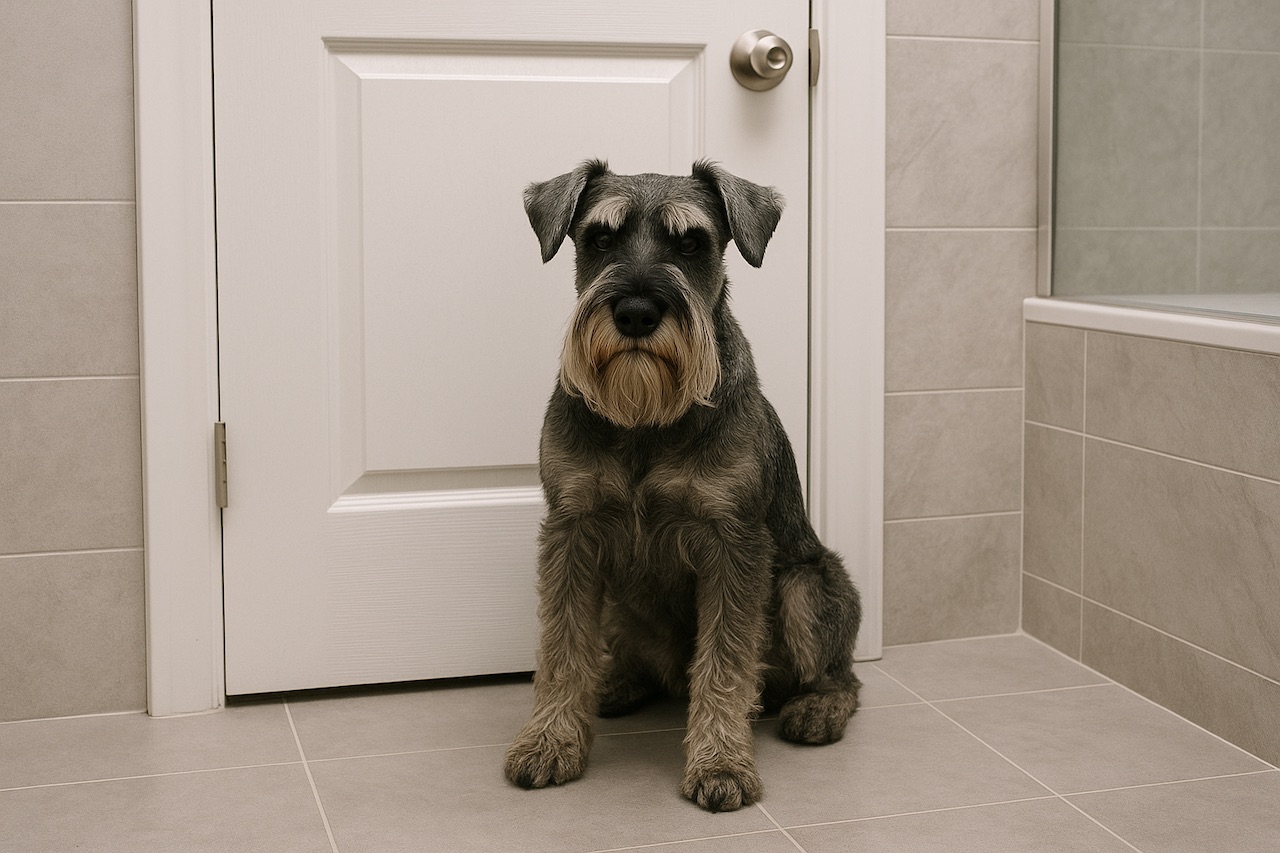
The Real Instincts Behind Bathroom Guarding
Dogs rarely do things “for no reason.” Even behaviors that appear silly often come from deep-rooted natural instincts. Guarding the bathroom door typically connects to several built-in behaviors:
Pack guarding instinct — dogs feel responsible for watching over their family (their “pack”).
Protection mode — closed doors trigger vigilance because the dog can’t see what’s inside.
Curiosity — bathrooms contain interesting smells, sounds and water sources.
Social bonding — dogs don’t like being separated from their humans, even for a minute.
Routine connection — you visit the bathroom often, so they associate it with predictable patterns.
These instincts are completely normal across breeds and ages — from clingy puppies to confident adult dogs.
1. Pack Protection Instinct
In the wild, members of a pack do not disappear behind closed spaces alone. A dog sees you as the center of its pack, and a closed bathroom door can feel like a barrier preventing them from doing their job: keeping you safe. So they guard the door because they believe something could happen while you’re isolated.
Common signs include:
Sitting or laying directly against the door
Looking alert or listening carefully
Standing between the door and anyone approaching it
To your dog, they’re not being nosy — they’re being responsible.
2. Bathroom Doors Trigger “Separation Lock-In”
Dogs don’t understand why humans close doors. The concept of “privacy” doesn’t exist in canine social structure. A closed door feels like forced separation — even if it’s just for a short moment. For dogs prone to attachment or separation anxiety, bathroom doors especially trigger a need to stay close and protect.
This is why many dogs scratch, whine or push the door open if they can.
3. Bathrooms Smell Interesting to Dogs
Bathrooms contain a mix of scents your dog doesn’t smell anywhere else: shampoo, water, bodily scents, towels, drains and cleaning products. The room becomes a giant smell-map of information.
Dogs guard this space not just because of you, but also because they’re investigating the environment.
4. Your Dog Likes the Cool Floor
The tile floor in bathrooms tends to stay cooler than the rest of the home, especially during warmer seasons. Small, medium and large breeds often lie outside the door simply because it's the most comfortable spot.
Guarding becomes a passive habit: they lie there to cool down, and it happens to align with when you go inside.
5. You Rewarded the Behavior Without Realizing It
Dogs repeat behaviors that lead to positive outcomes. If your dog follows you to the bathroom and you:
talk to them,
pet them,
open the door quickly,
let them come inside,
— then you unintentionally reinforce the behavior. To your dog, guarding the bathroom door equals attention.
6. Clinginess or Velcro-Dog Behavior
Some breeds naturally want to be close to their people at all times, including:
Labradors
Golden Retrievers
Shelties
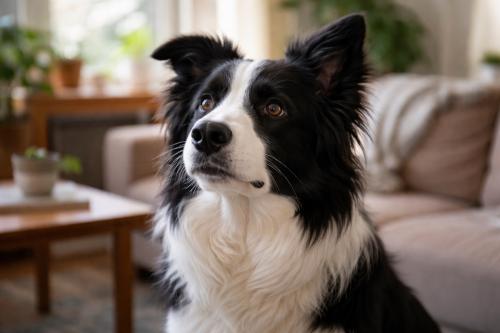
Border Collies
Chihuahuas
Dachshunds
Pit Bulls
If your dog follows you everywhere in the home, guarding the bathroom is just an extension of that personality type.
7. Anxiety or Fear of Missing Out (FOMO)
Dogs with mild anxiety often follow their owners during predictable routines. Bathroom trips are predictable events that happen multiple times a day. Guarding the door becomes part of their “safety ritual.”
Some dogs also develop FOMO — they don’t want to miss anything exciting happening outside the door.
8. Your Dog Thinks the Bathroom Is a “Danger Zone”
Certain sounds — toilets, showers, fans — can either fascinate or worry a dog. For some dogs, they guard the bathroom door because the sounds inside make them feel protective.
To them, the bathroom is a mysterious room full of noise and water.
9. You’re Part of Their Territory
Dogs don’t just guard objects; they guard people. If your dog sees you as a high-value resource, they may stand guard to protect “their human” from perceived threats.
This often happens in multi-dog households, where one dog tries to claim you as their territory.
10. They Want to Be Involved in Every Activity
Many dogs don’t understand why they can’t join you in the bathroom — it’s simply another room in the house, and they want to be included in every moment with you.
This explains why some dogs sit in the bathroom even when you’re not in it!
Is Bathroom Guarding a Problem?
Most of the time, no. Bathroom guarding is usually harmless, affectionate and based on bonding. But it can become a problem if:
your dog becomes panicked when the door closes
shows aggression toward other pets near the bathroom
cannot relax unless you’re in view
guards you possessively from family members
follows you obsessively around the house
These may indicate deeper anxiety or resource guarding issues that need gentle correction.
How to Reduce Bathroom Guarding (If Needed)
1. Create Predictable Boundaries
Teach your dog a “stay” or “place” command before you enter the bathroom. Reward calm waiting behavior.
2. Make Bathroom Trips Low-Excitement
Stop talking, petting or acknowledging your dog at the door. Remove reinforcement.
3. Build Your Dog’s Confidence
Work on independence training: short separations, solo play sessions, enrichment toys and leaving for a few minutes at a time.
4. Add Enrichment During Bathroom Times
Give your dog a chew toy or treat mat when you go in. This redirects their attention.
5. Address Anxiety If Needed
If guarding is rooted in separation anxiety, behavioral training or a consultation with a trainer may help.
FAQ About Dogs Guarding the Bathroom Door
Why does my dog follow me to the bathroom every time?
Most dogs follow their owners to the bathroom because they feel safest when they’re close to their person. Bathrooms are also small, enclosed spaces, which make them feel like secure dens. Your dog may simply want reassurance, connection, or to stay aware of where you are.
Is it normal for dogs to guard the bathroom door?
Yes. Many dogs naturally take on a protective role and position themselves at doorways to monitor who comes and goes. Guarding the bathroom specifically is usually a sign of loyalty and a desire to keep you within their sight.
Is guarding behavior a sign of separation anxiety?
It can be. If your dog panics when you close the door, cries, scratches, or refuses to stay away from you even for a minute, bathroom guarding may be part of underlying separation anxiety. In milder cases, it’s simply an expression of attachment.
Do dogs think we're vulnerable in the bathroom?
Some experts believe so. Dogs may interpret sitting, bathing, or being behind a closed door as moments when you’re less aware of your surroundings. Guarding the door becomes their way of “standing watch.”
Why does my dog get upset if I close the bathroom door?
Dogs dislike barriers that prevent them from seeing or reaching their owners. A closed door can trigger stress, confusion, or frustration—especially in highly bonded or anxious dogs.
Does my dog guarding the bathroom door mean they don’t trust the new pet?
Possibly. Dogs may guard you more intensely when a new pet arrives because they feel the need to reinforce their bond or prevent the newcomer from taking their place. This usually improves as routines stabilize.
Is bathroom guarding related to pack instincts?
Yes. In the wild, pack members watch over one another during vulnerable moments such as resting or drinking. Guarding is a natural instinct rooted in protection and social bonding.
Should I stop my dog from guarding the bathroom?
You don’t have to unless it becomes obsessive, disruptive, or connected to anxiety. If the behavior escalates, you can train your dog to wait at a designated spot using positive reinforcement.
Can this behavior get worse over time?
In some dogs, yes — especially if guarding increases because of anxiety, boredom, or inconsistent boundaries. Reinforcing calm, independent behavior early helps prevent escalation.
How can I reduce door-guarding behavior?
Provide mental stimulation, strengthen independence training, reward calm behavior away from the door, and maintain predictable routines. Some dogs benefit from puzzle toys or mats they use while you’re occupied.
Common Triggers & What They Mean
| Trigger | What It Means | How to Respond |
|---|---|---|
| Closed bathroom door | Dog feels excluded or uncertain | Practice boundary training; reward calm waiting outside |
| You leaving the room abruptly | Triggers follower instinct | Slow departures; teach “stay” and reward compliance |
| Running water sounds | Curiosity or alert behavior | Offer enrichment toys to redirect attention |
| Your vulnerable position (sitting) | Dog enters protective mode | Reassure with calm voice; avoid reinforcing clinginess |
| Separation anxiety | Dog panics when separated | Short-distance separation training + mental stimulation |
| Strong attachment to owner | Dog wants constant proximity | Expand independence training gradually |
| Habit or routine | Dog is used to following you everywhere | Reset routine with structured boundaries |
| Breed predisposition | Velcro breeds naturally follow | Increase exercise and mental challenges |
| Curiosity about smells | Bathroom scents attract dogs | Keep bathroom clean; reduce scent triggers |
| Protective instincts | Dog sees you as part of their “pack” | Teach controlled guarding and calm behavior |
Your dog guarding the bathroom door is usually a sweet, instinctive and protective behavior. They’re not trying to annoy you — they’re trying to fulfill their emotional and protective role in your life. While the behavior is rarely harmful, understanding the underlying reasons helps you respond with patience and confidence. With reassurance, training and consistency, most dogs naturally become more relaxed over time.
Author: XPETSI Editorial Team