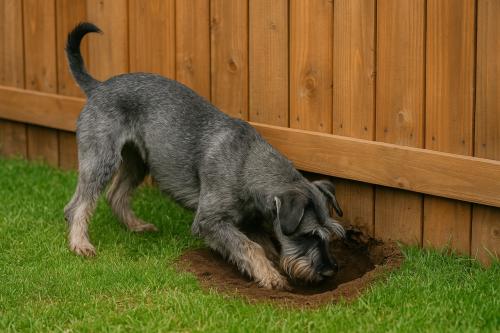
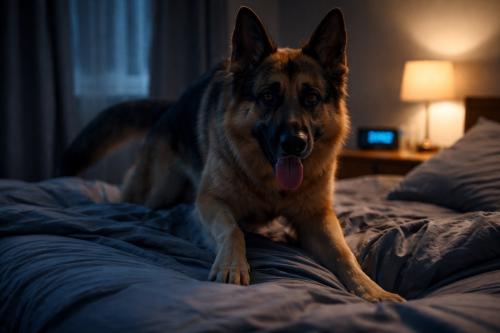
If your dog seems perfectly normal during the day but suddenly becomes obsessed with biting, chewing, or chasing their tail at night, you’re not alone. Many dog owners report this exact behavior, and it can be confusing, frustrating, and even concerning. While occasional tail-chasing may be a harmless quirk, repetitive nighttime tail-biting often signals discomfort, stress, or a medical issue that becomes more noticeable after dark.
This in-depth guide explains why dogs bite their tails specifically at night, the most common triggers, how to recognize warning signs, and what you can do to help your dog relax and sleep peacefully.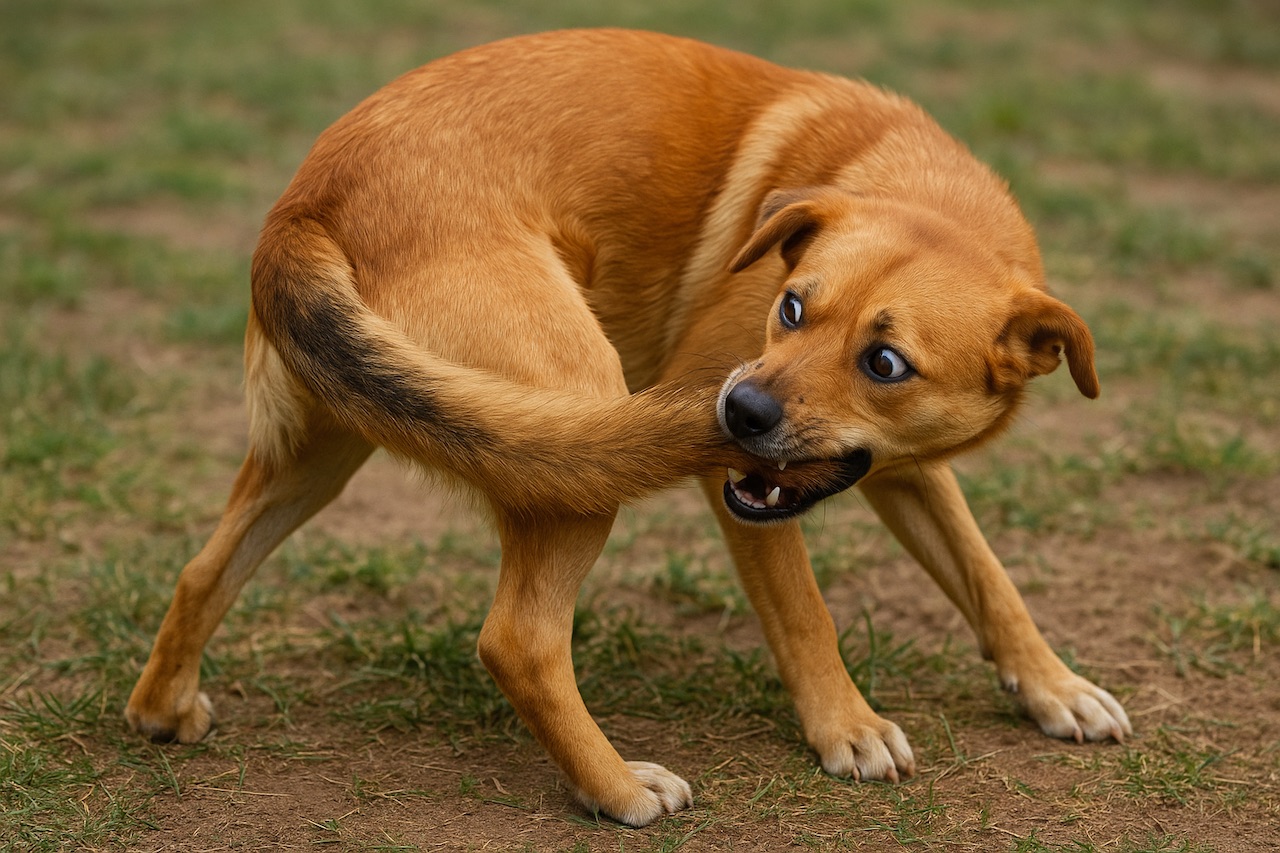
Why Nighttime Makes Tail-Biting More Noticeable
Dogs live on routines, and nighttime often changes the entire rhythm of their day. The house becomes quieter, humans sit or lie down, and dogs finally have time to settle — which means they also become more aware of physical discomfort or psychological stress. Tail-biting at night usually happens because:
There are fewer distractions — discomfort becomes more noticeable.
Energy is unspent — pent-up energy seeks an outlet.
Anxiety peaks at night — especially in sensitive or dependent breeds.
Allergies worsen indoors — nighttime can trigger itching.
To understand the behavior fully, let’s break down the most common reasons.
1. Allergies That Cause Itching at Night
Environmental allergies (dust, mold, pollen), food allergies, or flea sensitivities often make dogs itchy — especially around the tail base. Since dogs lie still at night, the itching becomes more noticeable and triggers tail-biting.
Common allergy signs include:
Red or irritated skin
Chewing paws and tail
Frequent licking
Seasonal flare-ups
2. Fleas or Parasites
Even one flea bite can cause intense irritation, especially in dogs with flea allergies. Fleas often become more active at night, making symptoms appear suddenly.
You may notice:
Reddish bumps near the tail
Scratching the lower back
Restlessness before bed
3. Impacted Anal Glands
Dogs have scent glands near the base of the tail. If they become clogged or infected, your dog may respond by biting, licking, or scooting.
This problem is commonly worse at night when the dog is lying down.
4. Boredom and Pent-Up Energy
If a dog doesn’t get enough exercise or mental stimulation during the day, they may release stress energy at night by biting their tail. Small and high-energy breeds are especially prone to this behavior.
Signs include:
Zoomies before bed
Pacing
Chewing toys excessively
5. Anxiety, Stress, or Separation Distress
Many dogs experience anxiety when the household settles down. This can come from:
Loud sounds outside
Owner leaving the room
Nighttime darkness
Routine changes
Tail-biting may become a self-soothing behavior.
6. Skin Infections or Irritations
Yeast and bacterial infections often become itchier at night due to warmth and inactivity. Hot spots around the tail area can develop quickly and worsen overnight.
7. Hormonal Imbalances
Thyroid issues, adrenal disorders, or hormonal shifts may cause itching, obsessive behaviors, or changes in coat and skin — symptoms often most noticeable when the dog is resting.
8. Compulsive Behavior
If tail-biting becomes habitual, repetitive, or trance-like, it may be a form of canine compulsive disorder (CCD). Dogs often show compulsive behaviors more intensely at night, when the environment is quiet.
Common Triggers & What They Mean
| Trigger | What It Means | Recommended Action |
|---|---|---|
| Nighttime itching | Possible allergies or dry skin | Check skin; consider hypoallergenic diet or vet visit |
| Sudden tail biting | Parasites or fleas | Use flea prevention; inspect coat |
| Scooting + biting tail | Anal glands may be full | Vet check or gland expression |
| High energy before bed | Boredom or lack of exercise | Increase daily activity and enrichment |
| Behavior only when owner leaves room | Anxiety or separation distress | Comfort routines; calm training |
How to Stop Nighttime Tail-Biting
1. Increase Exercise Earlier in the Day
Most dogs relax more easily at night when physically and mentally tired. Add:
Longer walks
Sniffing time
Fetch or agility games
2. Add Mental Enrichment
Puzzle toys, lick mats, frozen treats and training sessions reduce stress-driven behaviors.
3. Check for Parasites
Even indoor dogs can get fleas. Use a flea comb and preventive treatments.
4. Improve Skin and Coat Health
Omega-3 supplements, oatmeal baths, or moisturizing shampoos can reduce nighttime itching.
5. Inspect Anal Glands
If the tail base seems sensitive, a vet can check for impaction or infection.
6. Address Anxiety
Try:
White noise
A night light
A consistent bedtime routine
Calming chews or pheromone diffusers
7. Prevent Reinforcement
Don’t punish tail-biting. Instead, redirect with a toy or calming activity.
When Tail-Biting Becomes a Problem
| Behavior | Red Flag | When to See a Vet |
|---|---|---|
| Biting tail until fur is missing | Possible infection or severe irritation | Visit within 24–48 hours |
| Biting only at night, daily | Chronic allergies or behavioral disorder | Schedule exam soon |
| Whining, scooting, licking | Anal gland issues | Vet appointment recommended |
| Obsessive or trance-like chewing | Compulsive disorder | Behavioral evaluation needed |
| Open wounds or bleeding | Infection risk | Immediate visit required |
FAQ About Dogs Biting Their Tail at Night
Is it normal for dogs to bite their tails at night?
Occasionally, yes. But frequent, intense, or obsessive tail-biting at night is usually a sign of discomfort, allergies, fleas, anxiety, or anal gland issues.
Why does my dog bite their tail only when lying down?
When dogs rest, they become more aware of itching or pain. Lying down also puts pressure on the tail base, making discomfort more noticeable.
Can fleas cause nighttime tail-biting?
Absolutely. Fleas tend to be more active at night, and flea allergies can cause intense itching specifically around the tail area.
Could anxiety cause tail-biting?
Yes. Dogs with separation anxiety or nighttime restlessness often redirect stress into tail-chasing or chewing.
How do I know if anal glands are the problem?
Look for scooting, licking the rear, sudden discomfort when sitting, or a strong fishy odor. These symptoms require a vet visit.
Should I stop my dog from biting their tail?
Yes—gently redirect the behavior, but avoid punishment. Addressing the cause is far more effective than interrupting the symptom.
When should I take my dog to the vet?
If the tail-biting is daily, intense, causes hair loss, or comes with redness, swelling, scooting, or whining, a vet evaluation is recommended.
Final Thoughts
Dogs often bite their tails at night because it’s the first time all day they become fully aware of itching, stress, or discomfort. While the behavior may seem cute or harmless at first, consistent nighttime tail-biting is a sign your dog needs help — whether through medical care, environmental adjustments, or anxiety reduction.
With the right steps, most dogs stop this behavior quickly and return to peaceful, comfortable sleep.
Author: XPETSI Editorial Team