Border Collies and other highly intelligent dogs are often described as “easy to train.” They learn commands quickly, anticipate patterns, and thrive on mental challenges. But many owners eventually face a confusing moment: training suddenly stops working. Commands that were once reliable begin to fail, focus disappears, and the dog seems distracted or mentally absent.
When training breaks down in a smart dog, the problem is not always lack of discipline — it may be cognitive fatigue.
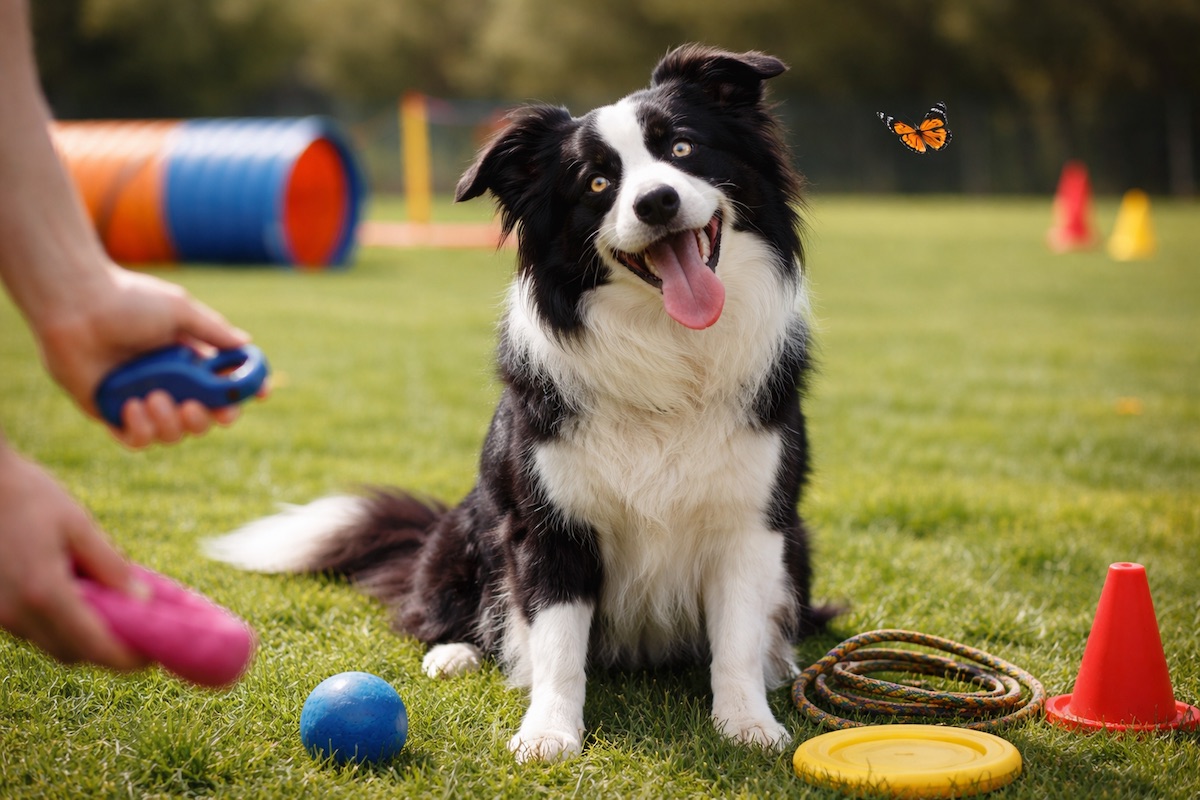
This article explains what cognitive fatigue really looks like in intelligent breeds, why mental overload can reduce performance instead of improving it, and how to recognize when your dog needs recovery rather than more repetition.
What Is Cognitive Fatigue in Dogs?
Cognitive fatigue happens when the brain processes more information than it can comfortably handle without enough recovery time. In highly driven breeds, mental effort often continues long after training ends.
Instead of becoming calmer, the dog may feel mentally overloaded — making learning harder, not easier.
- Slower responses to familiar commands
- Loss of focus during training
- Restlessness after mental work
- Increased sensitivity to distractions
A smart dog that stops responding during training is not always being stubborn. Often, the brain is simply tired.
Many owners notice this shift after adding more enrichment or complex routines without enough recovery time — a pattern closely related to mental workload imbalance in Border Collies.
Why Intelligent Breeds Are More Vulnerable
Border Collies, German Shepherds, and other working breeds were developed to solve problems and stay engaged with their environment. Their brains are constantly active, even during downtime.
This sensitivity makes them exceptional learners — but it also means they reach mental limits faster than many owners expect.
Common factors that increase cognitive fatigue include:
- Long repetitive training sessions
- Constant problem-solving games without rest
- Unclear expectations during learning
- High emotional pressure from the handler
More intelligence does not mean unlimited focus. In fact, highly perceptive dogs often need more structured recovery than calmer breeds.
Some of these challenges begin when intelligence turns into pressure rather than clarity — something explored deeper in how hidden stress builds in highly driven Border Collies.
Signs Training Is Failing Because of Mental Fatigue
1. Commands Suddenly Stop Working
A dog that previously responded quickly may begin ignoring cues or responding slowly. This is often mistaken for disobedience, but it frequently reflects cognitive overload.
2. Increased Distraction During Simple Tasks
When mental energy drops, even small environmental changes become harder to ignore. The dog may look away frequently or struggle to maintain eye contact.
3. Restlessness After Training
Instead of relaxing, the dog may pace, whine, or remain alert. This “tired but wired” state often signals that the brain has not fully processed the session — similar to the indoor restlessness described in why some Border Collies struggle to switch off at home.
4. Frustration or Shutdown Behavior
Some dogs become overly excited, while others appear withdrawn. Both reactions can indicate that the mental workload exceeded the dog’s comfort level.
Healthy training usually leaves a dog calmer and more settled afterward — not more tense or reactive.
Common Training Mistakes That Lead to Cognitive Fatigue
Too Much Repetition
Repeating the same exercise many times in a row can overload attention rather than reinforce learning.
High Expectations Without Breaks
Many owners increase difficulty too quickly, assuming smart dogs should always keep up.
Combining Physical and Mental Intensity
Fast-paced training mixed with complex thinking tasks can push arousal levels too high for effective learning — especially when the dog is already balancing high environmental awareness during walks (see why thinking walks often regulate focus better than fast-paced routines).
Ignoring Early Stress Signals
Subtle signs like slower responses or scanning behavior often appear before full cognitive fatigue sets in.
How Cognitive Fatigue Affects Behavior Outside Training
Mental overload doesn’t stay limited to training sessions. It can influence everyday behavior at home and during walks.
- Difficulty settling indoors
- Increased alertness to sounds or movement
- Loss of focus during routine activities
- Restlessness despite physical tiredness
When training becomes harder over time instead of easier, it may be a sign that the nervous system needs recovery — not more stimulation.
Some dogs also begin following owners constantly or monitoring every movement when cognitive pressure stays high — a pattern often linked with shadowing behavior in sensitive herding breeds.
How to Prevent Cognitive Fatigue in Smart Dogs
Keep Sessions Short and Purposeful
Many dogs learn best in brief focused bursts rather than long continuous training.
Introduce Real Breaks Between Exercises
Allow your dog to decompress with sniffing, slow movement, or quiet rest before starting the next task.
Balance Thinking and Calmness
Not every interaction needs to be a challenge. Calm engagement teaches the nervous system how to regulate itself.
End Training Before Focus Drops Completely
Stopping early helps maintain motivation and prevents frustration from building.
Progress often accelerates when intensity decreases. Clear structure helps intelligent dogs learn faster than constant pressure.
Cognitive Fatigue vs Lack of Motivation
| Behavior | Lack of Motivation | Cognitive Fatigue |
|---|---|---|
| Energy level | Low from the start | Drops gradually |
| Response pattern | Consistently slow | Becomes slower over time |
| Body language | Relaxed | Tense or distracted |
| After rest | No change | Focus improves |
Understanding this difference helps prevent mislabeling mental fatigue as stubbornness.
When to Adjust Your Training Approach
If your dog frequently loses focus or appears overwhelmed, consider:
- Reducing session length
- Adding calm transitions between tasks
- Lowering environmental pressure during training
- Allowing more recovery days between intense learning
Training is not only about teaching new skills — it is also about protecting the dog’s ability to think clearly.
Final Thoughts
When training suddenly stops working in a highly intelligent dog, the solution is rarely more pressure or more repetition. Often, the brain simply needs space to recover.
Smart dogs don’t struggle because they lack ability — they struggle when their mental workload exceeds their capacity to process and rest.
By recognizing the signs of cognitive fatigue early and adjusting your approach, you can protect your dog’s confidence, maintain focus, and create training sessions that feel balanced rather than overwhelming.
Author: XPETSI Editorial Team