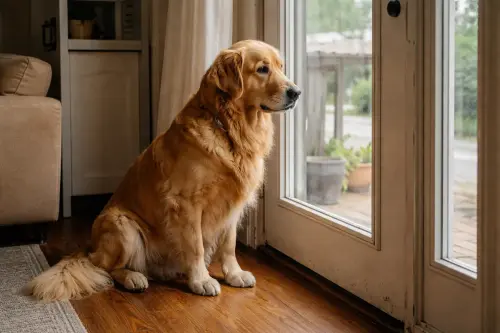
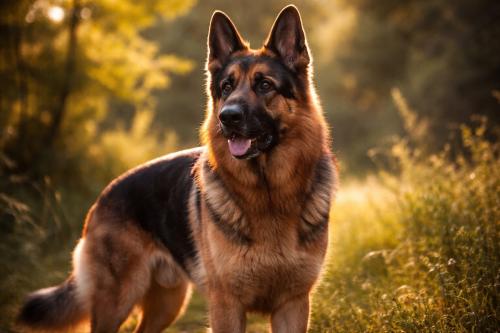
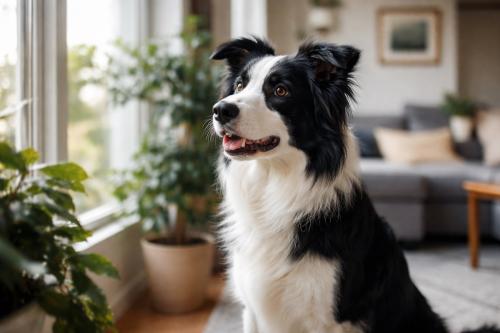
If you’ve ever noticed your dog trailing behind you from the kitchen to the bedroom, then to the bathroom, and even back again — you’re not alone. Many dog owners joke that they have a “shadow,” but this behavior is more than just cute curiosity.
Dogs follow their owners for a variety of normal, instinctive, and emotional reasons, and in most cases, it’s a sign of a healthy bond rather than a problem. Below you’ll find the most common explanations, plus a few gentle tips to encourage independence if you want it.
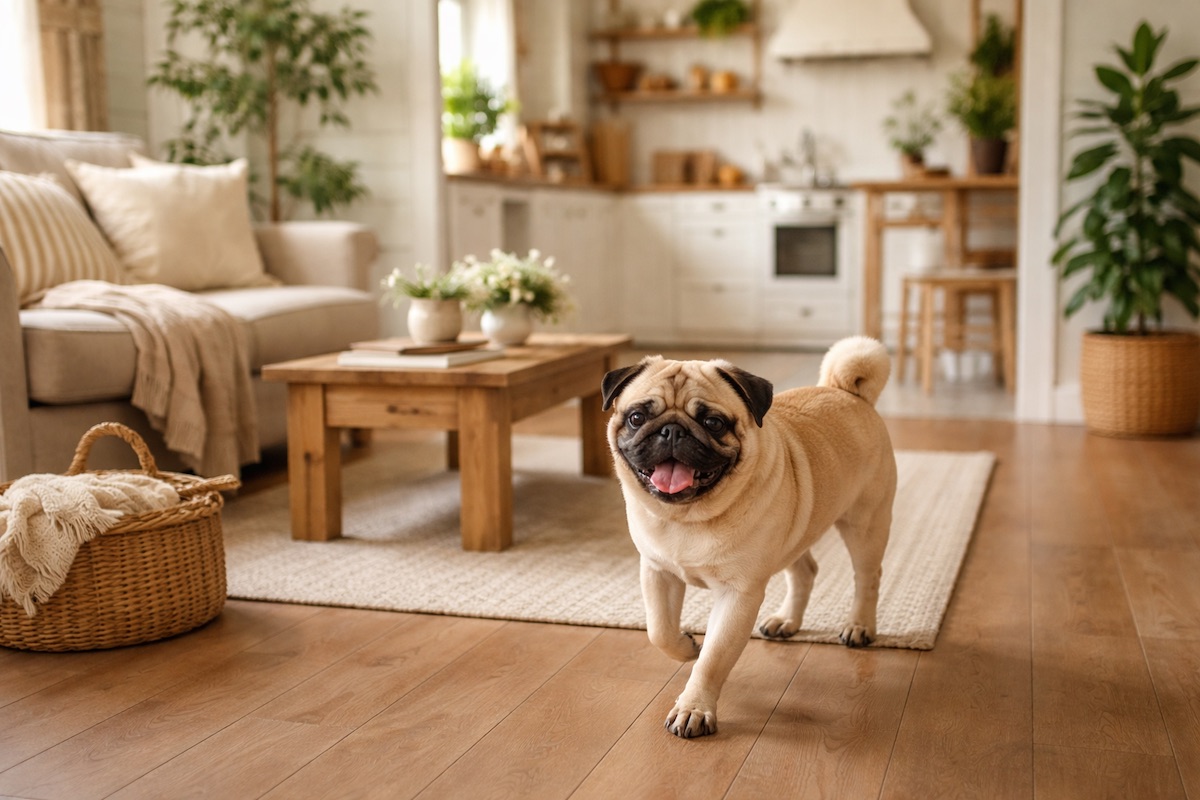
It’s Completely Normal Dog Behavior
First, it’s important to understand this: following you around the house is normal for dogs.
Dogs evolved as social animals that rely on close group relationships. In nature, being separated from the group could be risky. Your home is safe, but those instincts still matter. To your dog, you are the provider, the routine, and the center of daily life — so staying close simply feels right.
1) You’re Your Dog’s Safe Base
Many dogs follow their owners because they feel most secure when they’re nearby. Just like children check in with a parent, dogs often use their human as a reference point. When you move, they move too — not always because they’re worried, but because your presence signals comfort and stability.
This is especially common in:
- Puppies
- Newly adopted dogs
- Dogs strongly bonded to one person
2) Curiosity: Your Dog Wants to Know What Happens Next
From your dog’s perspective, you are endlessly interesting. You open doors, handle food, pick up objects, and change rooms. Any movement could mean a walk, a treat, playtime, or something new. Following you helps your dog stay involved — and dogs are very optimistic about rewards.
3) Your Dog Has Learned That Following You Pays Off
Dogs are excellent at noticing patterns. If your dog has ever received attention, petting, treats, or fun after following you, the behavior may have been rewarded (even accidentally). Over time, your dog learns: “Staying near my human is a good idea.”
4) Strong Bonding and Attachment
Some dogs simply form very deep attachments. This can be common in breeds known for loyalty and cooperation, but it can happen with any dog. When your dog bonds strongly, they naturally want to be near you throughout the day.
Signs it’s healthy bonding:
- Your dog follows you calmly
- They settle once you stop moving
- They can relax when you leave the house
5) Your Dog Is Staying “In the Loop”
Dogs often treat their human as part of their environment awareness. You notice unusual sounds, visitors, or routine changes first. By staying close, your dog feels prepared for anything that might happen next.
6) Boredom Can Be a Factor
Sometimes the explanation is simple: there’s not much else going on. If your dog hasn’t had enough mental stimulation or activity, you may be the most interesting “event” in the house.
Simple ways to reduce boredom:
- Puzzle feeders or food-dispensing toys
- Short training sessions (2–5 minutes)
- Chews appropriate for your dog
- Rotate toys so they feel “new” again
Is It Separation Anxiety?
Usually, no. Following you from room to room is not the same as separation anxiety. Many dogs follow their owners and still feel perfectly calm when alone.
Separation anxiety is more likely when a dog shows distress behaviors when left alone (for example: panic, constant vocalizing, destructive behavior, or inability to settle). Calm following by itself is typically just normal companionship.
When Following Might Be a Concern
Following is usually harmless, but you may want to pay closer attention if:
- Your dog seems very distressed if they can’t reach you
- They cannot settle even when you’re nearby
- The behavior suddenly changes along with major routine disruptions
Even then, following behavior alone rarely signals a serious problem. Often it simply means your dog needs more routine, reassurance, or engagement.
Why Some Dogs Follow More Than Others
Not all dogs behave the same way. Personality, early socialization, past experiences, daily routine, and the amount of interaction they get all influence how much a dog follows their owner.
Some dogs are naturally independent, while others prefer constant proximity. Both types can be perfectly healthy.
Should You Stop Your Dog From Following You?
In most cases, there’s no reason to stop it. But if you’d like your dog to feel comfortable relaxing in another room, you can gently encourage independence.
Helpful tips:
- Set up a comfy bed or mat in a quiet spot
- Reward calm behavior when your dog settles on their own
- Give a chew or toy in their “rest area”
- Practice short, positive separations inside the home
Reasons Why Your Dog Follows You Around Everywhere
| Reason | What It Means | Is It Normal? |
|---|---|---|
| Strong Bond | Your dog feels emotionally connected to you and prefers staying close. | Yes |
| You Are a Safe Base | Your presence makes your dog feel secure and relaxed. | Yes |
| Curiosity | Your dog wants to know what you’re doing and what might happen next. | Yes |
| Learned Behavior | Following you has been rewarded with attention, treats, or affection. | Yes |
| Boredom | Your dog has nothing more interesting to do at the moment. | Yes |
| Routine Awareness | Your dog tracks your movements to stay in sync with daily activities. | Yes |
| Seeking Interaction | Your dog hopes for playtime, a walk, or engagement. | Yes |
| Personality Trait | Some dogs are naturally more social and people-oriented. | Yes |
| Change in Environment | Your dog may be adjusting to a new home, schedule, or family change. | Usually |
| Stress or Insecurity | Your dog looks to you for reassurance during uncertain situations. | Sometimes |
Read also: 5 Reasons Why Your Dog Follows You Around Everywhere
FAQ
Is my dog following me because they’re anxious?
Not usually. Calm following without signs of distress is normal bonding behavior.
Why does my dog follow me but not other family members?
Dogs often bond most strongly with the person who feeds, trains, walks, or spends the most consistent time with them.
Is it bad if my dog follows me into the bathroom?
No. Many dogs dislike closed doors and prefer knowing where their person is.
Will my dog grow out of this behavior?
Some dogs do as they mature, but others remain loyal “shadows” for life.
Should I worry if my dog suddenly starts following me everywhere?
A sudden change can happen after routine shifts or big life changes. Following alone is rarely a problem, but adding more routine and enrichment often helps.
Final Thoughts
When your dog follows you from room to room, it usually means they trust you, enjoy your presence, and feel safest when you’re nearby. As long as your dog can relax when alone and doesn’t show signs of distress, their “shadow” behavior is simply one of the many ways dogs connect with their people.
Author: XPETSI Editorial Team