Many dog owners notice that their pets spend a large part of the day sleeping and start to wonder whether this behavior is normal or a sign of a health problem. Dogs can sleep anywhere from 12 to 18 hours a day, and in many cases, this is completely healthy. However, excessive sleep combined with other symptoms may indicate that something is wrong. Understanding what is normal for your dog helps you decide when to relax and when to seek veterinary advice.
How Much Sleep Is Normal for Dogs?
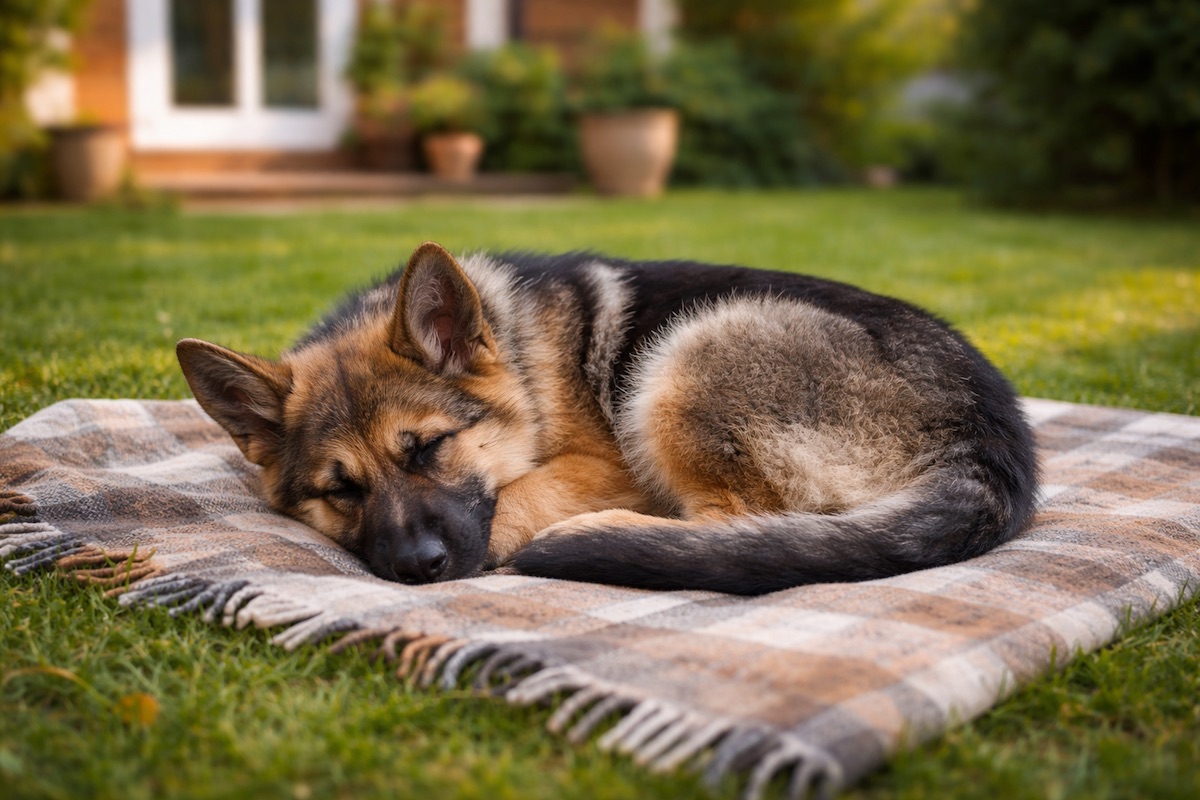
On average, adult dogs sleep between 12 and 14 hours per day. Puppies, senior dogs, and large breeds often sleep even more—sometimes up to 18 or 20 hours daily. Dogs do not sleep in one long stretch like humans; instead, they take frequent naps throughout the day and night. This pattern comes from their evolutionary background as animals that conserve energy between periods of activity.
Breed size plays a significant role. Large and giant breeds such as Mastiffs, Saint Bernards, and Great Danes are known for being heavy sleepers. Smaller breeds may appear more active, but they also nap often. Age is another key factor: puppies sleep a lot because their bodies and brains are developing, while senior dogs need more rest to recover from daily activity.
Why Dogs Sleep So Much
There are many harmless reasons why dogs sleep a lot. Physical activity is one of them—dogs that enjoy long walks, training sessions, or playtime often rest more afterward. Mental stimulation also leads to increased sleep, as the brain needs recovery time after learning and problem-solving.
Boredom can also increase sleep duration. Dogs left alone for long hours or living in low-stimulation environments may sleep simply because there is nothing else to do. This does not always mean they are unhealthy, but it can indicate a need for more enrichment, such as interactive toys, training, or social interaction.
Sleep Differences by Age
Puppies sleep the most, often 18–20 hours a day. Sleep is essential for growth, immune development, and learning. Frequent naps help puppies process new experiences and support healthy brain development.
Adult dogs usually settle into a stable sleep routine. They are more active but still nap regularly. As long as your adult dog is alert, playful, and energetic during waking hours, long sleep periods are usually normal.
Senior dogs tend to sleep more due to slower metabolism, joint stiffness, and reduced energy levels. Aging bodies need additional rest, and increased sleep alone is not a cause for concern unless paired with other symptoms.
Is Excessive Sleeping a Sign of Illness?
While sleeping a lot is often normal, sudden changes in sleep habits can signal a problem. If your dog becomes unusually lethargic, hard to wake, or uninterested in activities they once enjoyed, it may indicate an underlying health issue.
Conditions such as infections, anemia, hypothyroidism, heart disease, or chronic pain can cause increased sleep. Behavioral changes like loss of appetite, weight changes, vomiting, diarrhea, or limping alongside excessive sleep should never be ignored.
Behavioral and Emotional Causes
Stress and emotional changes can affect a dog’s sleep. Dogs may sleep more after moving to a new home, experiencing changes in routine, or losing a companion—human or animal. Anxiety and mild depression can also lead to increased rest as a coping mechanism.
In such cases, sleep is often temporary and improves as the dog adjusts. Providing routine, reassurance, exercise, and mental stimulation can help restore normal energy levels.
Weather and Seasonal Effects
Dogs often sleep more during extreme weather. Hot temperatures can make dogs lethargic, especially breeds with thick coats or short noses. In winter, shorter daylight hours and lower activity levels can also increase sleep time.
This seasonal change is usually harmless as long as the dog maintains a healthy appetite and normal behavior when awake.
How to Tell If Your Dog’s Sleep Is Normal
Healthy sleep is balanced by alertness and interest during waking hours. A normal-sleeping dog wakes up easily, responds to sounds, enjoys walks, and engages with people or toys. Their appetite and bathroom habits remain consistent.
If your dog sleeps a lot but still shows excitement for favorite activities, this is typically a sign of good health rather than a problem.
When You Should Worry
You should consider consulting a veterinarian if your dog’s sleep increases suddenly without explanation, or if excessive sleep is accompanied by weakness, confusion, pain, or behavioral changes. Older dogs especially benefit from regular checkups to rule out age-related conditions.
Trust your instincts as an owner—you know your dog’s normal behavior best. Any drastic or lasting change deserves attention.
How to Support Healthy Sleep
Ensure your dog has a balanced routine that includes physical exercise, mental stimulation, and rest. Provide a comfortable sleeping area, a nutritious diet, and regular veterinary care. Avoid overstimulation late at night, which can disrupt natural sleep patterns.
Healthy sleep supports immune function, learning, and emotional balance. Rather than worrying about how long your dog sleeps, focus on how they behave when awake.
Why Dogs Sleep a Lot: Normal Behavior vs Health Issues
| Situation | Normal Behavior | When It May Be a Problem |
|---|---|---|
| Age of the dog | Puppies and senior dogs naturally sleep 16–20 hours a day | Adult dogs suddenly sleeping as much as puppies without clear reason |
| Breed characteristics | Large and calm breeds (Mastiffs, Bulldogs, Greyhounds) sleep more | High-energy breeds becoming unusually inactive |
| Daily activity level | Dogs sleep more after long walks, training, or play sessions | Excessive sleep despite lack of physical activity |
| Weather and season | Hot weather or short winter days can increase sleep duration | Lethargy combined with loss of appetite or dehydration |
| Routine changes | Temporary extra sleep after travel, guests, or schedule changes | Prolonged sleepiness lasting more than 1–2 weeks |
| Mental stimulation | Dogs rest more when bored or under-stimulated | Sleep replacing normal curiosity and engagement |
| Diet changes | Slight increase in rest after switching food | Sleepiness paired with digestive issues or weight changes |
| Recovery after illness | Extra sleep during healing is expected | Sleepiness continuing long after recovery |
| Behavior when awake | Alert, playful, and responsive when awake | Disorientation, weakness, or lack of interest |
| Accompanying symptoms | No vomiting, coughing, pain, or behavior changes | Sleep plus symptoms like limping, fever, or appetite loss |
Conclusion
In most cases, it is completely normal for dogs to sleep a lot. Sleep patterns vary by age, breed, activity level, and environment. As long as your dog is happy, responsive, and healthy during waking hours, there is usually no cause for concern. However, sudden changes or sleep paired with other symptoms should always be evaluated by a veterinarian. Understanding your dog’s unique rhythm helps you ensure they stay healthy, comfortable, and content.
Author: XPETSI Editorial Team