Mandarin oranges are a popular citrus fruit known for their sweet taste, easy-to-peel skin, and refreshing aroma. Many dog owners enjoy mandarins as a healthy snack and naturally wonder whether it is safe to share a few pieces with their pets. While mandarins are not toxic to dogs, they are not completely risk-free either. Understanding how mandarins affect dogs, how much is safe, and when they should be avoided is essential for responsible feeding.

Dogs have different digestive systems than humans, and foods that are healthy for people can sometimes cause digestive upset or long-term health issues in pets. Citrus fruits in particular often raise questions because of their acidity and sugar content. In this article, we will explore whether dogs can eat mandarin oranges safely, the potential benefits, the risks involved, and how to offer them properly if you choose to do so.
Are Mandarin Oranges Safe for Dogs?
Mandarin oranges are generally safe for dogs in small amounts. They do not contain any substances that are inherently toxic to dogs. The flesh of the fruit is soft, seedless in most varieties, and easy to chew, making it less of a choking hazard compared to some other fruits.
However, safety does not automatically mean suitability. Mandarins contain natural sugars and citric acid, both of which can cause problems if consumed in excess. Some dogs tolerate mandarins very well, while others may experience stomach upset even after eating a small portion.
As with any new food, mandarins should be introduced slowly and only offered occasionally. They should never replace a balanced dog diet or become a regular daily treat.

Nutritional Value of Mandarin Oranges for Dogs
Mandarin oranges contain several vitamins and minerals that can offer mild nutritional benefits to dogs when fed sparingly. These nutrients include vitamin C, fiber, potassium, and small amounts of antioxidants.
Vitamin C supports immune function, although dogs naturally produce their own vitamin C and usually do not require dietary supplementation. Fiber can help support digestion, but too much fiber can cause loose stools. Potassium plays a role in muscle and nerve function, but dogs typically receive adequate potassium from commercial dog food.
While mandarins are nutritious, they should be viewed as an occasional snack rather than a health supplement. Dogs do not need citrus fruits to meet their nutritional requirements.
Potential Benefits of Mandarin Oranges for Dogs
In moderation, mandarins can provide a refreshing, low-fat treat option for dogs who enjoy sweet flavors. Compared to processed dog treats, fresh fruit contains no artificial additives or preservatives.
Some dogs enjoy the juicy texture of mandarins, especially during hot weather when hydration is important. The water content in mandarins can contribute slightly to fluid intake, although it should never replace fresh drinking water.
Mandarins may also be useful as a high-value reward for training in dogs that tolerate them well, provided portions remain very small.
Risks of Feeding Mandarin Oranges to Dogs
Despite their benefits, mandarins come with several potential risks for dogs. The most common issue is digestive upset. The acidity of citrus fruits can irritate a dog’s stomach, leading to vomiting, diarrhea, or gas.
Another concern is sugar content. Mandarins are naturally high in sugar, which can contribute to weight gain, dental problems, and blood sugar spikes. Dogs with diabetes or obesity should not be given mandarins at all.
Additionally, the peels, membranes, and seeds (if present) should never be fed to dogs. These parts are difficult to digest and can cause intestinal blockages or choking.
Can Puppies Eat Mandarin Oranges?
Puppies have more sensitive digestive systems than adult dogs. Even foods that are generally safe for adult dogs can cause problems in young puppies. Mandarin oranges are not recommended for puppies unless approved by a veterinarian.
The acidity and sugar in mandarins can easily upset a puppy’s stomach, leading to diarrhea and dehydration. Puppies are also still developing their taste preferences, and early exposure to sugary foods may encourage picky eating habits.
If mandarins are introduced at all, they should be offered only after the puppy is fully weaned and eating a stable diet, and in extremely small amounts.
Are Mandarin Oranges Safe for Senior Dogs?
Senior dogs may have reduced digestive efficiency and are more likely to suffer from conditions such as diabetes, kidney disease, or dental issues. For these dogs, mandarins may pose more risks than benefits.
The sugar content can worsen metabolic conditions, while acidity may aggravate sensitive stomachs. Additionally, older dogs with dental problems may struggle with the texture of citrus fruits.
If a senior dog enjoys mandarins and has no underlying health issues, a very small piece may be acceptable on rare occasions. Always consult a veterinarian before introducing mandarins to an older dog’s diet.
How Much Mandarin Orange Can a Dog Eat?
Portion control is critical when feeding mandarins to dogs. For small dogs, one or two small segments are more than enough. Medium-sized dogs may tolerate two to three segments, while large dogs should not exceed three to four segments at a time.
Mandarins should never be fed daily. An occasional treat once every few weeks is sufficient. Overfeeding citrus fruit can quickly lead to digestive upset.
Always observe your dog after offering mandarins for the first time. If any signs of discomfort appear, discontinue feeding immediately.
How to Feed Mandarin Oranges to Dogs Safely
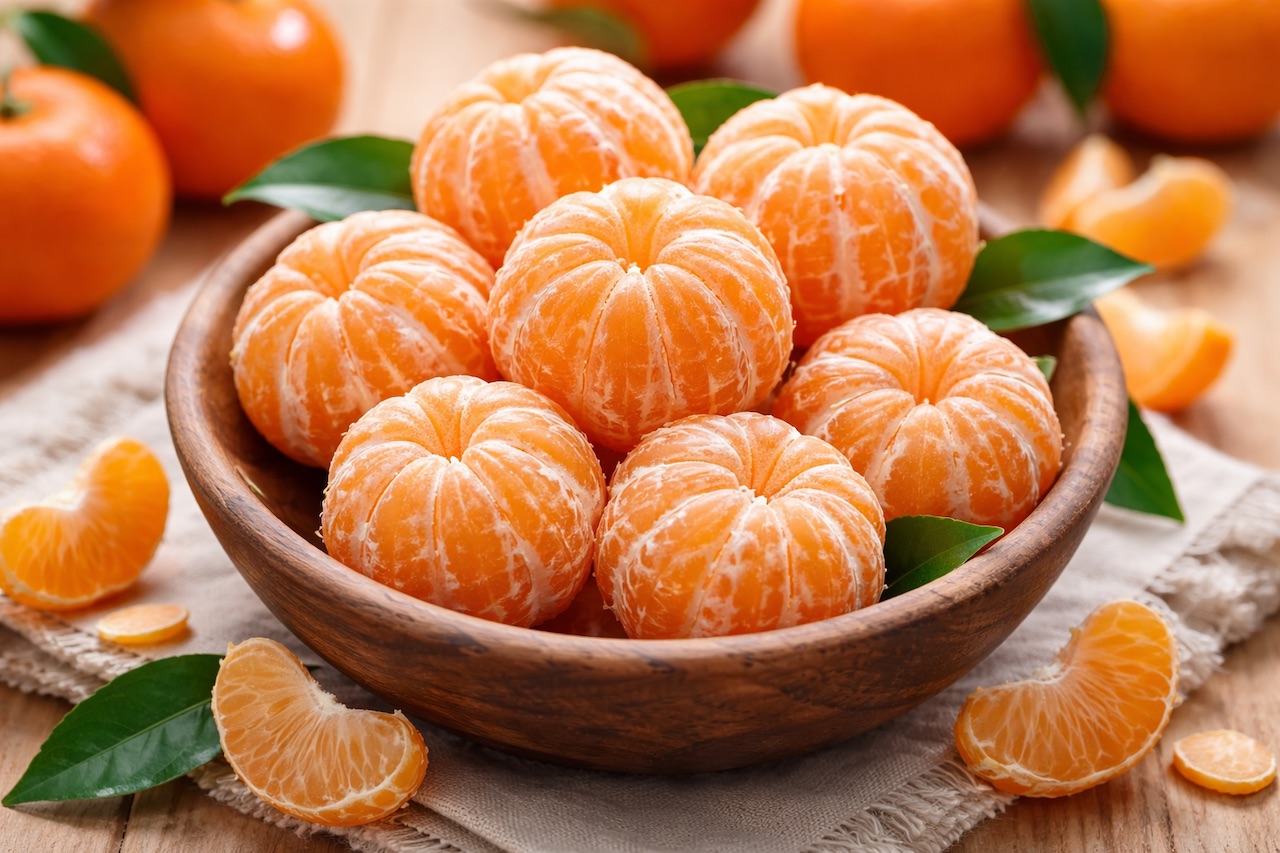
To feed mandarins safely, always peel the fruit completely and remove all white pith, membranes, and seeds. Only the fresh flesh should be offered.
Mandarin segments should be cut into small, bite-sized pieces to reduce choking risk. Avoid offering mandarins straight from the refrigerator, as very cold foods can irritate a dog’s stomach.
Never feed canned mandarins or mandarins in syrup, as these products contain added sugars and preservatives that are harmful to dogs.
When Should Dogs Avoid Mandarin Oranges Completely?
Dogs with diabetes, obesity, pancreatitis, or chronic gastrointestinal issues should not eat mandarins at all. The sugar and acidity can worsen these conditions.
Dogs that have previously shown sensitivity to citrus fruits should also avoid mandarins. Repeated exposure can lead to ongoing digestive problems.
If your dog is on a prescription diet or has any chronic health condition, always consult a veterinarian before introducing new foods.
Healthier Fruit Alternatives for Dogs
If you are looking for safer fruit options, consider apples (without seeds), blueberries, strawberries, or watermelon (without rind or seeds). These fruits are generally better tolerated and lower in acidity.
Vegetables such as carrots, cucumber, and green beans are also excellent low-calorie treats that pose fewer risks than citrus fruits.
Always introduce any new food gradually and in moderation.
FAQ: Mandarin Oranges and Dogs
Can dogs eat mandarin oranges every day?
No. Mandarins should only be fed occasionally due to their sugar and acid content.
Are mandarin peels toxic to dogs?
Mandarin peels are not toxic but are difficult to digest and can cause blockages. They should never be fed.
Can dogs drink mandarin juice?
No. Mandarin juice is too acidic and concentrated for dogs and may cause stomach upset.
Why does my dog seem uninterested in mandarins?
Many dogs dislike the strong citrus smell and taste. This is normal and not a cause for concern.
What should I do if my dog eats too many mandarins?
Monitor your dog for vomiting or diarrhea. Contact a veterinarian if symptoms persist.
Final Thoughts
Mandarin oranges are not toxic to dogs, but they are far from an ideal treat. While small amounts may be safe for healthy adult dogs, the risks often outweigh the benefits, especially when safer alternatives are available.
If you choose to share mandarins with your dog, do so sparingly, prepare them properly, and always prioritize your dog’s overall health and dietary needs. When in doubt, consult your veterinarian before introducing any new human food.
Author: XPETSI Editorial Team