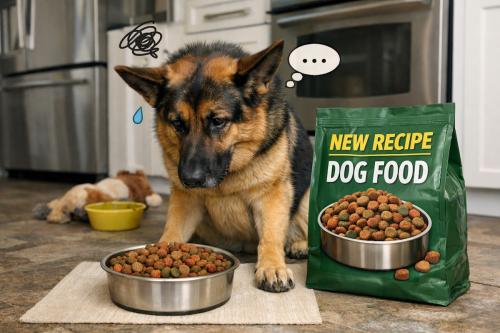
Dogs begging for food is one of the most common behavior challenges for pet owners. Whether your dog stares at you intensely during dinner, paws your leg, whines every time you enter the kitchen, or acts as if they haven’t eaten in days, begging can quickly become annoying — and even unhealthy. While some begging is harmless and instinct-based, constant begging may signal improper feeding routines, reinforced behavior patterns, boredom, anxiety, or even underlying medical issues.
This guide explains why dogs beg for food, how to identify the root trigger, and most importantly — how to stop the behavior humanely and effectively. You’ll also find a helpful table of common triggers, expert-backed solutions, and when begging becomes a medical concern.
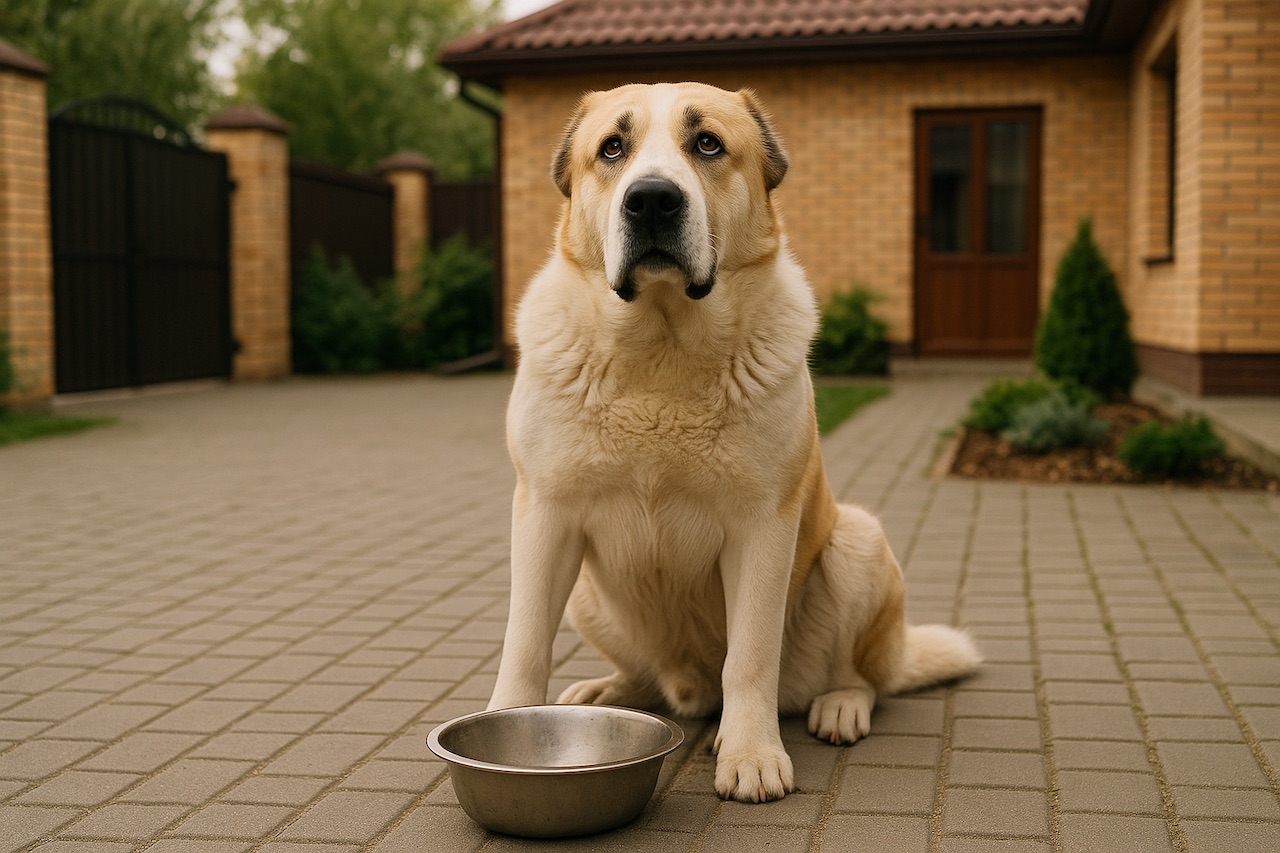
Why Dogs Beg for Food in the First Place
Begging has both evolutionary and learned components. In the wild, canines learned to solicit food from humans by being persistent but non-threatening. Modern dogs, especially indoor pets, amplify those instincts because they observe that begging works: someone eventually gives them food, attention, or scraps.
Begging becomes habitual because:
It gets rewarded — even one tiny treat can encourage more begging.
Dogs are opportunistic — if food is available, they’ll try to get it.
They love routines — feeding from the table creates a pattern.
They read your body language — kitchen = food = attention.
They rely on you for everything — including calorie sources.
But begging can also signal that something deeper is going on — from hunger to anxiety to health problems.
The Most Common Reasons Dogs Beg for Food
1. Reinforced Behavior: Someone Gave Them Food Before
If your dog has ever received a table scrap, dropped crumbs, or “just one bite,” they learned begging works. Dogs repeat behaviors that produce results. Even if you stop, your dog may continue trying — hoping it works again.
2. Inconsistent Feeding Schedule
Dogs feel more secure with a predictable routine. When feeding times shift, hunger spikes and begging behavior rises. A dog that doesn’t know when the next meal comes may solicit food more intensely.
3. Low-Quality Diet or Not Enough Calories
A dog who isn’t fully satisfied after meals may continue begging. Common causes include:
low-protein diets
too many fillers
inadequate portion sizes
high-energy breeds needing more calories
4. Boredom or Lack of Stimulation
Dogs often beg not out of hunger, but out of boredom. Food becomes entertainment when they have nothing else to do. This is especially common in high-drive breeds like Border Collies, Aussies, Huskies and Terriers.
5. Anxiety or Attention-Seeking
Begging can be a coping mechanism. Dogs quickly learn that begging gets attention — even scolding counts as engagement. Dogs with separation anxiety often beg more frequently around humans.
6. Medical Conditions
If begging is sudden, intense, or feels like genuine hunger, medical issues may be involved:
diabetes
Cushing’s disease
thyroid disorders
parasites
malabsorption problems
side effects of medications (e.g., steroids)
Veterinary evaluation is recommended if begging comes with weight loss, increased thirst, vomiting, or lethargy.
Common Begging Triggers & What They Mean
| Trigger | What It Means | How to Fix It |
|---|---|---|
| Begging during family meals | Dog expects food from table | Zero-tolerance table rules, redirect to a mat |
| Begging anytime someone enters the kitchen | Kitchen becomes a “reward zone” | Ignore behavior, reward calm waiting elsewhere |
| Sudden intense hunger | Possible medical issue | Vet exam, blood panel, dietary review |
| Begging right after eating | Diet may be unsatisfying | Increase protein, switch to higher-quality food |
| Begging during stress or change | Anxiety-driven behavior | Increase enrichment, reduce triggers |
| Begging only around certain people | They rewarded the behavior before | Behavior consistency for all family members |
How to Stop Your Dog From Begging for Food
Stopping begging requires consistency from the whole household. Dogs learn quickly, but if one person breaks the rules, progress resets.
1. Stop All Table Scraps Completely
This is the #1 rule. If a dog thinks there’s even a 1% chance of getting food from your plate, they will continue begging forever. Remove all rewards, including “small bites.”
2. Establish a Clear Feeding Schedule
Feed your dog at the same times each day. Predictability reduces anxiety and limits “opportunistic hunger.” Meal-fed dogs beg less than free-fed dogs.
3. Use “Place” Training During Meals
Teach your dog to go to a mat, bed or crate when you eat. Reward quiet behavior. With consistency, your dog will associate your meals with calm waiting.
4. Increase Mental and Physical Enrichment
Many dogs beg because they’re bored. Add:
food puzzle toys
snuffle mats
daily training sessions
longer walks
enrichment games
A tired mind begs much less.
5. Improve the Diet if Needed
High-protein foods keep dogs fuller longer. Consider:
switching to a higher-quality brand
adding wet food for satiety
increasing portion size (if vet-approved)
adding fiber like green beans
If your dog finishes meals fast, use a slow feeder to extend eating time.
6. Ignore Begging — Completely
No eye contact, no talking, no pushing the dog away. To a dog, attention = reward. Ignoring works once the behavior gets no payoff.
7. Reward Calm Behavior
Instead of punishing begging, reinforce the alternative: quiet relaxation away from the table. Treat your dog AFTER your meal if they stayed calm.
8. Keep Food Out of Reach
Remove temptations such as:
food left on counters
open trash bins
low-placed snacks
Dogs beg less when food isn’t accessible.
9. Manage the Environment
If your dog struggles to stay calm, use:
baby gates
closed doors
a crate during meals
This reduces triggers while training progresses.
When Begging Indicates a Medical Problem
If begging is excessive or suddenly worsens, schedule a veterinary check. Warning signs include:
dramatic appetite increase
weight loss despite eating
constant thirst
vomiting or diarrhea
lethargy
recent medication changes
Conditions like diabetes, thyroid imbalance, and Cushing’s disease can dramatically increase hunger. Early diagnosis is important.
When You Should NOT Ignore Begging
Begging should be ignored — unless it indicates distress. If your dog begs due to anxiety, fear or medical symptoms, ignoring alone won’t fix the issue. Look for behavioral patterns:
begging only when alone with certain people
begging accompanied by whining or pacing
begging linked to environmental stress
In these cases, address the emotional cause, not just the behavior.
When Begging Becomes a Behavioral Problem
If begging escalates to aggression — such as snapping, guarding, or climbing onto tables — consult a trainer or behaviorist. Resource obsession can worsen without proper guidance.
When Begging Becomes a Problem
| Behavior | What It Might Indicate | When to Take Action |
|---|---|---|
| Constant begging even after meals | Possible nutrient imbalance or poor satiety | Assess feeding schedule, food quality; consult a vet if persistent |
| Barking, whining, or pawing at you for food | Learned attention-seeking behavior | Stop responding to begging; reinforce calm behavior only |
| Stealing food from counters or plates | Impulsivity, high food drive, or lack of boundaries | Increase training, management, and impulse-control exercises |
| Waking you up at night for food | Incorrect feeding schedule or habit-forming reinforcement | Adjust meal times; rule out medical causes if sudden onset |
| Sudden increase in appetite | Possible medical issue (thyroid, diabetes, parasites) | Consult a veterinarian promptly for diagnostics |
| Begging only when guests eat | Opportunistic pattern your dog learned | Ask guests not to feed the dog; create “settle” space during meals |
| Refusing dog food but demanding human food | Picky eating due to reward imbalance | Reset feeding habits; remove access to table scraps |
| Guarding food or acting possessive | Resource guarding behavior | Begin desensitization or hire a canine behavior specialist |
| Begging paired with vomiting, weight loss or lethargy | Potential underlying illness | Immediate veterinary evaluation is required |
| Begging that escalates into aggression | High frustration or poor boundaries | Seek professional behavior modification before escalation |
FAQ About Dogs Begging for Food
Is constant begging a sign that my dog is actually hungry?
Not always. Many dogs beg out of habit, attention-seeking behavior or excitement around food, even if they’re already getting enough calories. If your dog is losing weight or seems genuinely ravenous, consult a veterinarian to rule out medical causes.
Can overfeeding make begging worse?
Yes. When dogs receive scraps, leftovers or frequent treats, begging becomes a learned behavior. They associate begging with rewards and repeat it—even when they’re not hungry.
Should I ignore my dog when they beg?
Ignoring is one of the most effective long-term strategies because it removes the reward cycle. However, consistency is essential—everyone in the household must follow the same rule, or the begging will return quickly.
What medical issues can cause increased hunger or begging?
Conditions such as diabetes, thyroid disorders, Cushing’s disease, intestinal parasites, pancreatitis or poor nutrient absorption may contribute to excessive hunger. Sudden or extreme changes in appetite always warrant a veterinary exam.
How do I stop my dog from begging when guests are eating?
Place your dog in a designated “settle” spot (like a bed or crate), provide a chew toy or treat puzzle and avoid giving table scraps. Training the “stay” or “place” cue helps reinforce calm behavior during meals.
Is it okay to feed my dog human food?
Some human foods are safe in moderation, but many are not. High-fat, high-salt or seasoned foods can upset your dog’s stomach or cause toxicity. If you want to share food, stick to vet-approved, plain, unseasoned ingredients.
Can puppies develop begging behavior too?
Yes. Puppies quickly learn patterns, and once begging is rewarded, it becomes a lifelong habit. Establishing boundaries early prevents issues later.
Should I free-feed my dog to prevent begging?
No. Free-feeding can increase obesity, overconsumption and anxiety about food access. Scheduled feeding creates predictable structure and reduces begging significantly.
Can increasing exercise help reduce begging?
Often yes. Mental and physical stimulation reduce boredom-driven begging. A tired dog is less likely to obsess over food.
Why does my dog beg only from certain people?
Dogs quickly learn which humans give in. If one family member or relative slips treats, your dog will target them first. Consistency across the household is crucial.
Final Thoughts
Dogs beg for many reasons — hunger, routine, boredom, attention, or instinct. Understanding the underlying cause helps you respond with calm, consistent strategies that eliminate begging long-term. Once you establish predictable feeding times, stop reinforcing the behavior and introduce mental and physical enrichment, most dogs significantly reduce begging within 1–3 weeks.
With patience and consistency, you can teach your dog that mealtime is a calm moment — not an invitation to beg.
Author: XPETSI Editorial Team