Many dog owners notice a strange but surprisingly common behavior: their dog takes food from the bowl and carries it to the carpet, rug, or another soft surface before eating. At first glance, this habit may look odd or even annoying, but in most cases it is completely natural. Understanding why dogs do this helps owners respond correctly and avoid unnecessary worry.
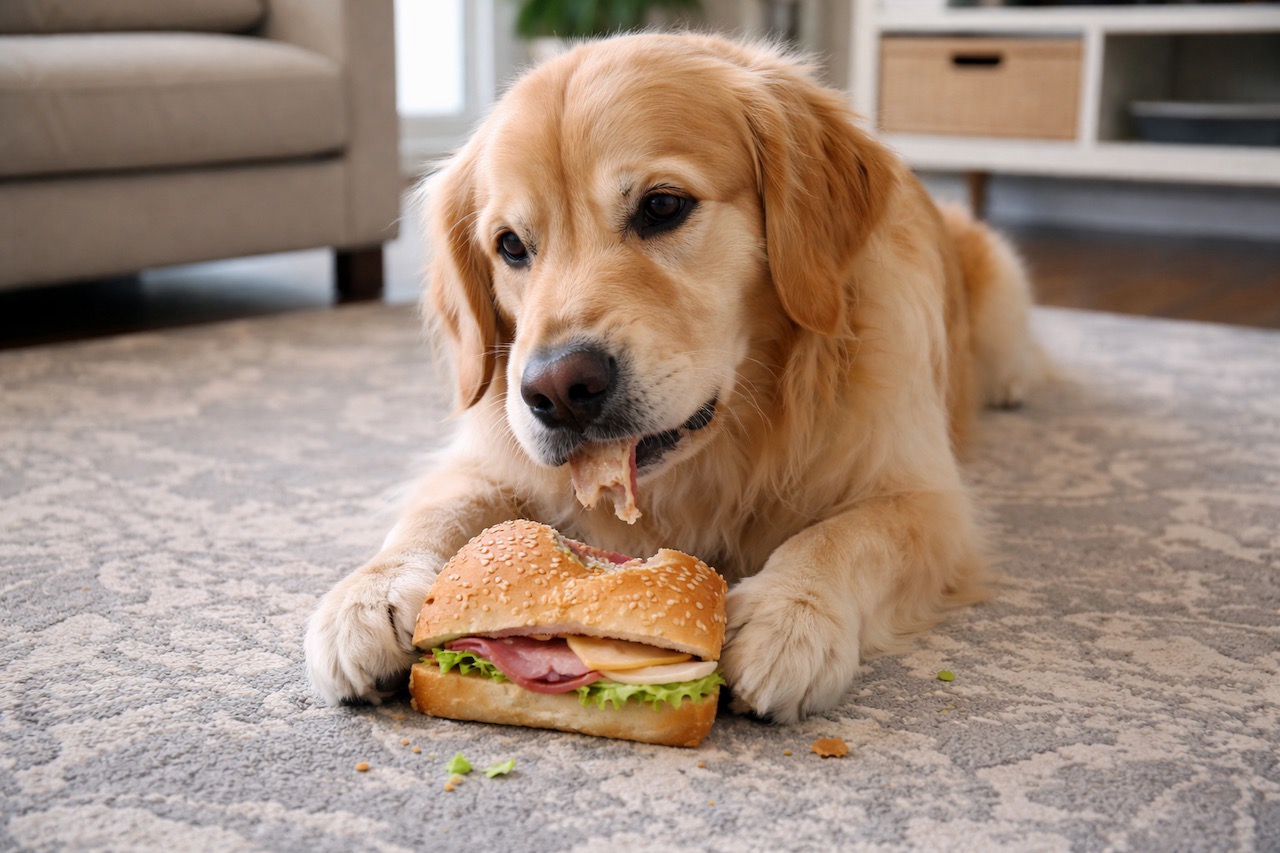
This behavior is rooted in instinct, comfort-seeking, and learned habits. Dogs do not randomly move their food — they have reasons that often go back thousands of years. In this article, we’ll explore the most common explanations, when the behavior is harmless, and when it might signal a problem.
Natural Instincts From Wild Ancestors
Dogs are descendants of wild canines that had to compete for food. In the wild, eating directly at the kill site was risky. Other animals could steal food, and predators could attack. To stay safe, canines often carried food away to a quieter, more protected location.
Your dog bringing food to the carpet may be expressing this ancient instinct. The carpet feels like a safe zone — softer, quieter, and away from perceived competition. Even in a single-dog household, these instincts can remain strong.
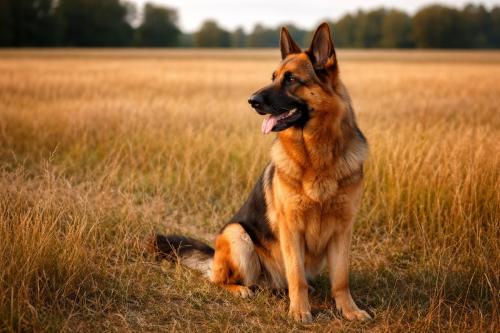
This behavior is especially common in breeds with strong survival or guarding instincts, such as shepherds, spitz-type dogs, and primitive breeds.
The Carpet Feels More Comfortable Than the Bowl Area
Another very common reason is comfort. Hard floors like tile, wood, or laminate can be cold, slippery, or noisy. A carpet provides warmth, softness, and stability, making eating more pleasant.
Metal bowls can also create unpleasant sounds or reflections. Some dogs dislike the clanging noise or the way the bowl moves while they eat. Carrying food to the carpet eliminates these distractions.
If your dog eats calmly once on the carpet and shows no signs of stress, the behavior is usually about comfort rather than anxiety.
Resource Guarding Behavior
In some dogs, bringing food to the carpet is a mild form of resource guarding. This does not always involve growling or aggression. Instead, the dog simply chooses a spot where they feel more in control of their food.
This behavior can appear in dogs that:
- Were raised with littermates
- Experienced food competition early in life
- Were rescued or previously food insecure
The carpet may be a location where the dog feels less likely to be disturbed by people or other pets.
Learned Behavior From Puppyhood
Many dogs develop this habit when they are puppies. Puppies often carry food while exploring, playing, or seeking comfort. If the behavior was never discouraged and caused no problems, it can easily persist into adulthood.
Dogs are excellent at forming routines. If your dog once ate peacefully on the carpet and felt safe and relaxed, they may repeat the behavior simply because it worked before.
Preference for Eating Alone
Some dogs prefer privacy while eating. Busy kitchens, foot traffic, and household noise can feel overwhelming. Moving food to the carpet may be your dog’s way of creating personal space.
This is particularly common in sensitive or easily overstimulated dogs. Eating is a vulnerable activity, and many dogs instinctively choose quieter locations.
Is This Behavior a Problem?
In most cases, bringing food to the carpet is harmless. If your dog:
- Eats normally
- Maintains a healthy weight
- Shows no aggression
- Does not destroy food or furniture
Then there is usually no reason to intervene.
However, the behavior may require attention if your dog:
- Growls or snaps when approached
- Scatters food excessively
- Shows signs of anxiety or fear
- Stops eating altogether
In such cases, a veterinary or behavioral consultation may be helpful.
How to Reduce This Behavior (If You Want To)
If you prefer your dog to eat in one place, gentle adjustments usually work best:
- Place the food bowl on a rubber mat or soft surface
- Move the bowl to a quieter location
- Use a heavier, non-slip bowl
- Feed at consistent times
Avoid punishment. Taking food away or scolding can increase anxiety and make the behavior worse.
Should You Let Your Dog Eat on the Carpet?
From a behavioral standpoint, there is nothing wrong with allowing it — as long as hygiene is managed. Using a washable mat or designated feeding rug can protect your floors while respecting your dog’s preferences.
Dogs thrive when they feel safe and relaxed. Sometimes adjusting our expectations slightly leads to a calmer, happier pet.
When to Seek Professional Help
If food-moving behavior is paired with aggression, fear, or sudden personality changes, it’s important to rule out medical or psychological causes.
A veterinarian or certified dog behaviorist can help identify whether pain, stress, or past trauma is influencing your dog’s eating habits.
Final Thoughts
When your dog brings food to the carpet, they are not being stubborn or misbehaving. In most cases, they are following instincts, seeking comfort, or repeating a learned behavior that makes them feel secure.
Understanding the reason behind the action allows you to respond calmly and appropriately. For many dogs, this habit is simply another example of how deeply instinct and emotion influence everyday behavior.
Author: XPETSI Editorial Team