Dogs are commonly known for barking. It is one of their most recognizable behaviors and a primary way they communicate with the world. Because of this, many owners become concerned when their dog rarely barks or does not bark at all. You might wonder whether something is wrong, whether your dog is unhappy, or whether silence is a sign of an underlying health or behavioral issue.
In reality, a dog that does not bark much can be completely normal. Barking behavior varies widely depending on breed, personality, environment, upbringing, and even past experiences. Some dogs are naturally quiet, while others bark frequently. Understanding why your dog doesn’t bark at all requires looking at multiple factors rather than assuming there is a problem.
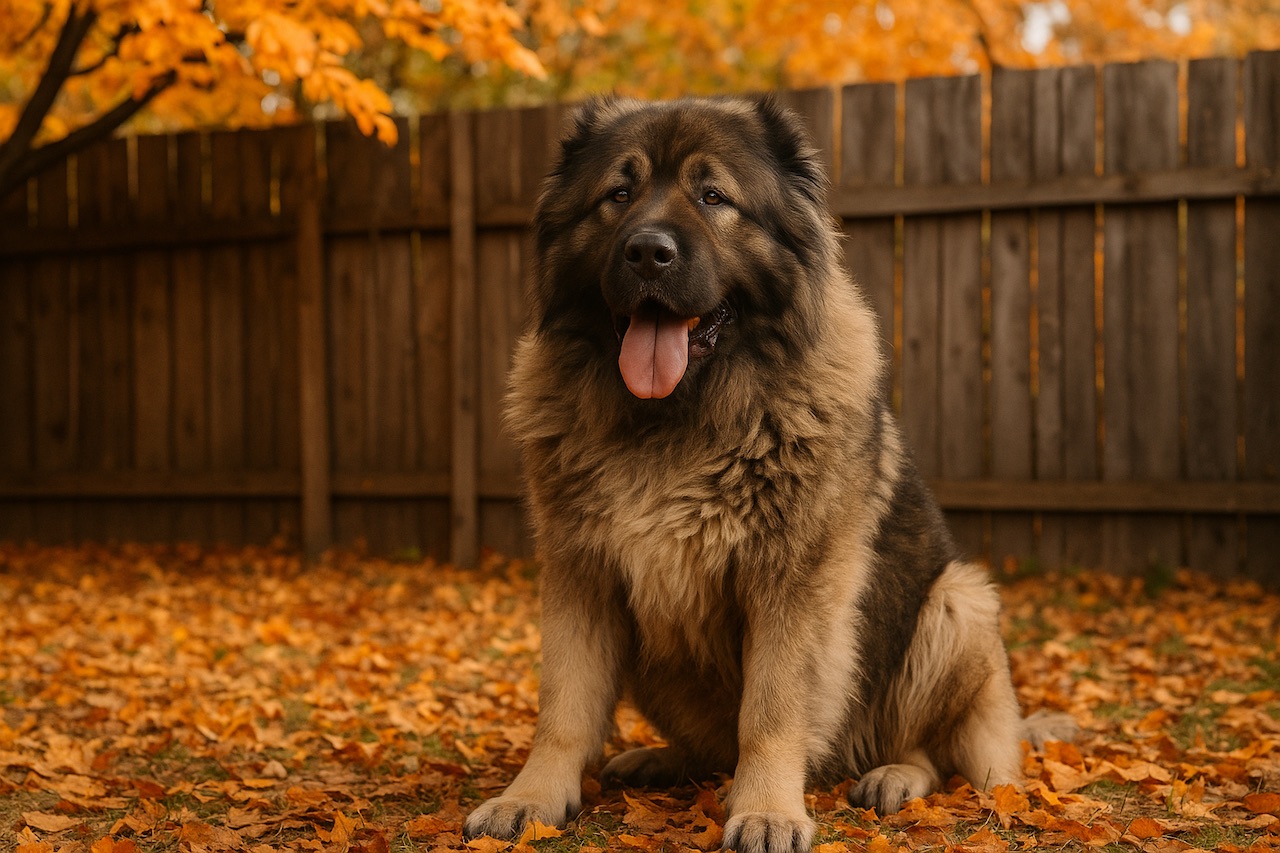
Is It Normal for a Dog to Never Bark
Yes, it can be completely normal for a dog to bark very little or not at all. Barking is not mandatory behavior. Dogs communicate through body language, facial expressions, posture, tail movement, scent, and subtle vocalizations that may not sound like traditional barking.
Some dogs simply prefer silent communication. They may express excitement by wagging their tail, show discomfort by moving away, or alert you to something unusual by staring, pacing, or nudging rather than barking.
If your dog appears healthy, relaxed, engaged, and responsive, the lack of barking alone is usually not a cause for concern.
Breed Traits That Affect Barking
One of the most important factors influencing barking behavior is breed. Certain breeds were historically developed to work quietly, while others were bred specifically to use their voice.
Naturally Quiet Dog Breeds
Some dog breeds are well known for being quiet or reserved with vocalizations. Examples include:
These dogs may still vocalize in other ways, such as whining, yodeling, or soft grumbling, but they rarely bark without a strong reason.
Individual Variation Within Breeds
Even within breeds known for barking, individual dogs may be quiet. Genetics play a role, but personality often overrides breed expectations. Two dogs of the same breed can have completely different vocal habits.
Your Dog’s Personality and Temperament
Just like humans, dogs have unique personalities. Some dogs are bold and expressive, while others are calm, observant, and reserved.
A dog with a laid-back or introverted temperament may simply not feel the need to bark. These dogs tend to assess situations quietly rather than reacting immediately. They may observe strangers, noises, or new environments without vocalizing.
This type of temperament is often seen in confident dogs who do not feel threatened or overstimulated by their surroundings.
Early Socialization and Environment
The environment a dog grows up in plays a major role in shaping barking behavior. Dogs raised in calm, predictable environments may never learn to bark excessively because they were never exposed to triggers that required vocal responses.
If your dog was raised in a quiet household with little chaos, minimal visitors, and few loud stimuli, barking may never have become a learned response.
On the other hand, dogs raised in noisy environments often bark more because barking becomes part of daily communication.
Training and Learned Silence
Some dogs learn not to bark because barking was discouraged early in life. This does not necessarily mean harsh training was used.
Dogs are excellent at reading human reactions. If barking never resulted in attention, rewards, or interaction, your dog may have learned that barking is unnecessary or ineffective.
In some cases, dogs trained for service work, therapy, or specific tasks are intentionally conditioned to remain quiet and focused.
Past Experiences and Emotional History
A dog’s history can strongly influence vocal behavior. Rescue dogs or dogs with unknown pasts may behave quietly due to previous experiences.
Dogs that were punished for barking in the past may suppress vocalization, even in safe environments. Others may have learned that staying quiet helped them avoid conflict or attention.
This does not always mean the dog is fearful. Some dogs simply carry forward habits learned earlier in life.
Health-Related Reasons a Dog May Not Bark
In some cases, a lack of barking may be related to physical or medical factors. While this is less common, it should be considered if the silence is sudden or unusual.
Vocal Cord Issues
Injuries, inflammation, or congenital issues affecting the vocal cords can reduce a dog’s ability to bark. The dog may attempt to bark but produce little or no sound.
Neurological Conditions
Certain neurological conditions can affect a dog’s ability to vocalize normally. These cases are usually accompanied by other symptoms such as changes in movement, coordination, or behavior.
Aging and Senior Dogs
Older dogs sometimes bark less due to reduced energy levels, hearing loss, or changes in cognitive function. This change tends to be gradual rather than sudden.
If your dog suddenly stops barking and shows other signs of discomfort, lethargy, or confusion, a veterinary check is recommended.
Does a Quiet Dog Mean a Happy Dog
Silence does not automatically indicate happiness or unhappiness. A dog that does not bark can still be perfectly content, emotionally balanced, and well-adjusted.
Signs of a happy dog include relaxed body posture, healthy appetite, interest in play, social engagement, and normal sleep patterns. Barking is only one small part of the overall picture.
Many calm dogs express happiness quietly through physical closeness, gentle play, and attentive behavior.
When Silence Might Be a Concern
Although silence is often normal, there are situations where it may indicate a problem.
A sudden and unexplained change in vocal behavior
Signs of pain, lethargy, or withdrawal
Difficulty breathing or coughing
Visible attempts to bark without sound
If these signs are present, consulting a veterinarian is important to rule out medical issues.
Can You Teach a Dog to Bark
Yes, dogs can be taught to bark on cue, but this should only be done if there is a practical reason. Teaching barking for the sake of it is not usually necessary.
Some owners want their dog to bark for alert purposes, such as notifying them when someone approaches the home. In these cases, positive reinforcement methods can be used.
However, it is equally important to respect a dog’s natural communication style. Forcing vocal behavior can create stress or confusion.
Benefits of Having a Quiet Dog
A dog that rarely barks offers several advantages, especially in shared living environments.
Less noise-related stress for owners and neighbors
Lower risk of noise complaints in apartments
A calmer household atmosphere
Easier management in public spaces
Many people actively seek out quieter dogs for these reasons.
Understanding Your Dog’s Communication Style
Dogs that do not bark often communicate in more subtle ways. Learning to read your dog’s body language is key.
Pay attention to ear position, tail movement, eye contact, posture, and changes in behavior. These signals often convey more information than barking ever could.
Once you understand your dog’s unique language, silence becomes less mysterious and more meaningful.
How to Support a Naturally Quiet Dog
Supporting a quiet dog involves meeting their emotional, physical, and mental needs without expecting unnecessary vocal behavior.
Provide consistent routines, positive interactions, enrichment activities, and gentle social exposure. Avoid forcing situations that make your dog uncomfortable.
Respecting who your dog is builds trust and strengthens your bond.
Most Popular Naturally Quiet Dog Breeds
| Dog Breed | Typical Barking Level | Why This Breed Is Quiet | Good For |
|---|---|---|---|
| Basenji | Very low | Physically unable to bark in the usual way, makes yodel-like sounds | Apartments, quiet households |
| Greyhound | Low | Calm temperament, prefers resting to vocalizing | Apartment living, seniors |
| Whippet | Low | Gentle, reserved, rarely reactive | Families, small homes |
| Shiba Inu | Low | Independent nature, uses body language more than barking | Experienced owners |
| Akita | Low | Quiet, dignified, barks only when necessary | Homes with space |
| Cavalier King Charles Spaniel | Low | Friendly and non-territorial | Families, apartments |
| Great Dane | Low | Calm giant, not easily startled | Large homes, calm owners |
| Irish Wolfhound | Very low | Laid-back and gentle temperament | Quiet households |
| Bernese Mountain Dog | Low | Even-tempered and people-focused | Families |
| Newfoundland | Very low | Patient, calm, rarely vocal | Families with children |
| Saluki | Low | Reserved personality, low reactivity | Quiet, structured homes |
| Chow Chow | Low | Cat-like behavior, rarely barks without reason | Experienced owners |
Frequently Asked Questions
Is it bad if my dog never barks
No. Many dogs are naturally quiet and live healthy, happy lives without frequent barking.
Should I be worried if my puppy doesn’t bark
Not necessarily. Puppies often find their voice over time. If the puppy is active and healthy, silence is usually normal.
Can stress cause a dog to stop barking
Yes. Stress, fear, or major environmental changes can temporarily suppress vocal behavior.
Do quiet dogs still protect their owners
Yes. Protection does not always involve barking. Many dogs remain alert and responsive without vocalizing.
Final Thoughts
A dog that doesn’t bark at all is not broken, abnormal, or unhappy by default. Silence can be a sign of confidence, calmness, or simply a different way of communicating.
Rather than focusing on what your dog is not doing, observe how your dog interacts with the world. Understanding their unique personality and signals will help you appreciate the quiet companionship they offer.
In many cases, a silent dog is not a problem to fix, but a trait to understand and respect.
Author: XPETSI Editorial Team