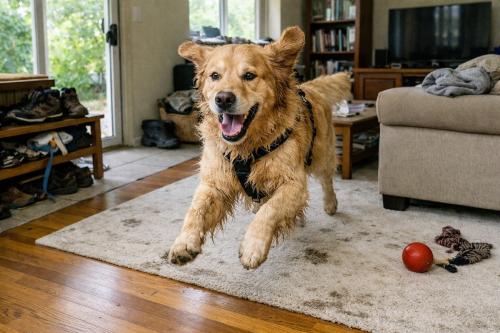
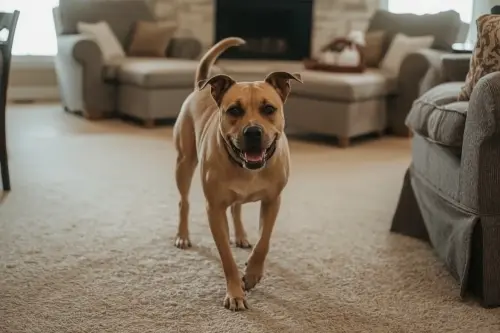
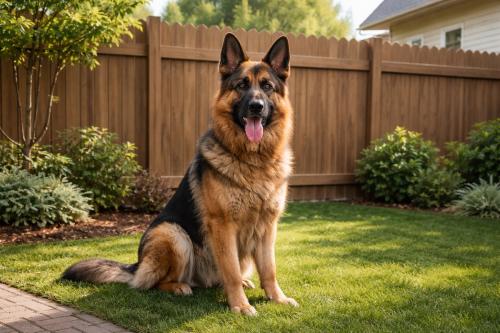
If your dog suddenly starts zooming around the house, barking, grabbing toys, or running in circles right before bedtime, you’re not alone. Many dogs experience bursts of intense energy in the evening, often confusing owners who expect calm, sleepy behavior. This nighttime hyperactivity can be adorable, chaotic, and sometimes even frustrating — especially when everyone else in the house is ready to wind down.
Understanding why dogs get hyper before bed can help you respond calmly, prevent unwanted behavior, and create a smoother nighttime routine. This guide explains the science behind pre-bed zoomies, the most common triggers, and practical solutions for helping your dog relax before sleep.
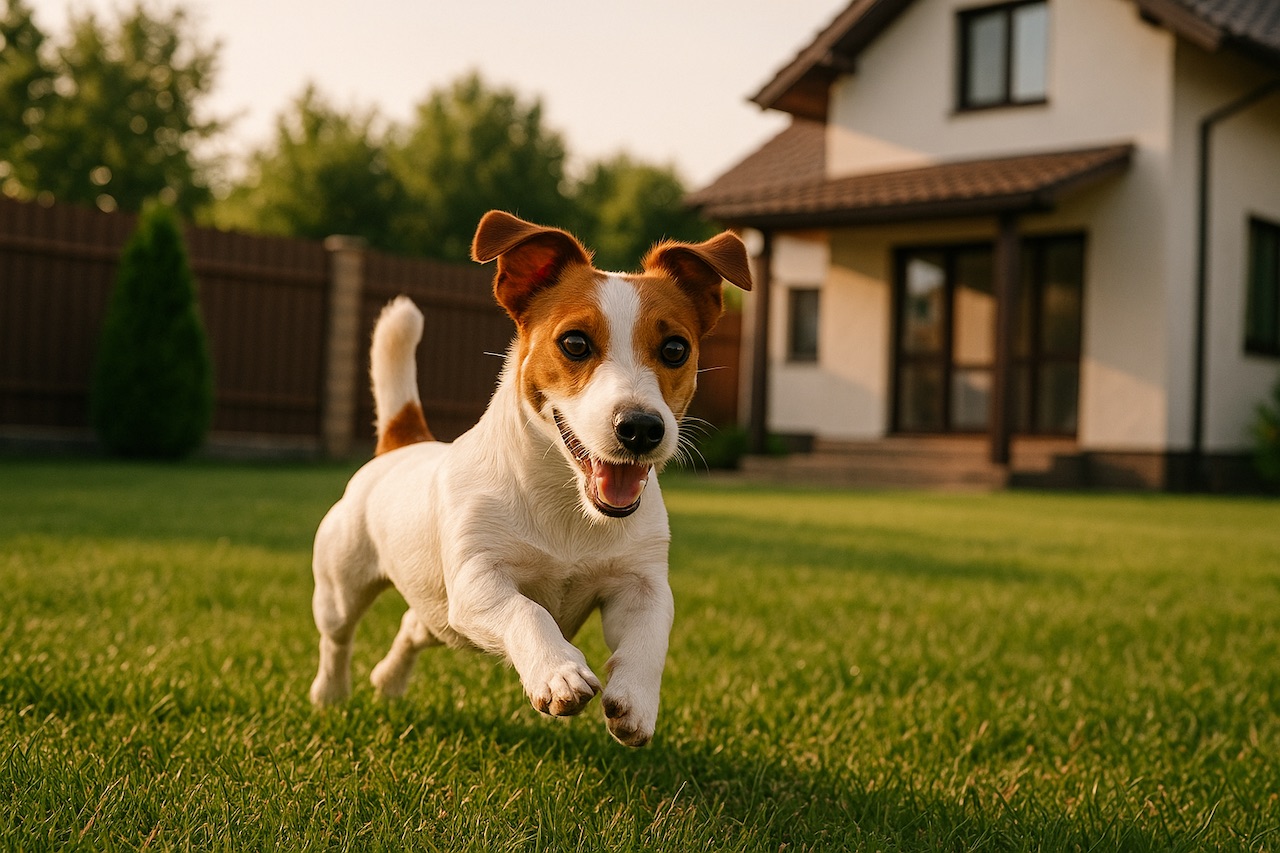
What Causes Nighttime Hyperactivity in Dogs?
Dogs may get hyper before bedtime due to several overlapping reasons. Some are behavioral, some are biological, and others come from routine inconsistencies.
Pent-up energy — dogs who didn’t get enough daytime exercise release energy suddenly at night.
Emotional overstimulation — excitement from play, visitors, or evening activities can trigger zoomies.
Relief after boredom — if your dog spent hours resting or alone, the evening becomes their “awake” period.
Natural circadian rhythms — many dogs are most alert in the late evening.
Anticipation — they may be excited about bedtime rituals, treats, or sleeping near their humans.
Just like children, dogs often release leftover energy before settling down for the night.
1. Zoomies: The Most Common Nighttime Burst
Zoomies (FRAPs — “Frenetic Random Activity Periods”) are natural behavior in dogs of all ages. These bursts often happen:
after a bath
after a long nap
after eating
before bedtime
Zoomies are a healthy emotional release, especially for puppies and high-energy breeds.
2. Not Enough Physical Exercise
Dogs that don’t burn enough energy during the day often become hyper in the evening as their bodies attempt to release the buildup. High-energy breeds like Border Collies, Aussies, Huskies, Terriers, and Doodles are especially prone to pre-bed hyperactivity.
Signs include:
restless pacing
zoomies right after dinner
grabbing toys and tossing them around
pawing at owners to play
3. Lack of Mental Stimulation
Physical exercise alone doesn’t tire out a dog. Mental stimulation is equally important. Dogs who don’t engage their brains often “wake up” mentally in the evening and look for stimulation from their owners.
This can lead to:
stealing objects for attention
whining or barking
excessive sniffing and exploring
trying to initiate play late at night
4. Overstimulation From Evening Activities
Exciting events often happen in the evening:
family members returning home
kids playing
visitors stopping by
owner winding down with interactive activities
For dogs, this is a high-stimulation window — not a calming one.
5. Anticipation of Bedtime Routines
Dogs thrive on routine. If bedtime always includes:
a treat
brushing
cuddling
sleeping in the owner’s bed
…they may become excited in anticipation.
6. Emotional Overflow After a Long Day
Some dogs simply release emotions at night — joy, stress, excitement, or relief. Once the home becomes quieter, dogs may suddenly become active because the stimulation level shifts, and they don’t know how to settle yet.
7. Puppy Energy Cycles
Puppies often experience hyperactivity at night because:
they nap too much during the day
lack of structure
poor impulse control
natural developmental phases
Puppies often “crash” minutes after zoomies — this is normal.
Common Triggers & What They Mean
| Trigger | What It Means | Dog Behavior |
|---|---|---|
| Pent-up energy | Not enough daytime activity | Zoomies, pacing, grabbing toys |
| Overstimulation | Too much excitement in evening | Barking, jumping, hyperfocus on people |
| Under-stimulation | Not enough mental exercise | Seeking attention, stealing items |
| Routine cues | Excitement about bedtime rituals | Whining, bouncing, clinging |
| Emotional buildup | Stress or excitement release | Zoomies, barking, unpredictable bursts |
How to Calm a Dog That Gets Hyper Before Bed
1. Add Late-Afternoon or Early-Evening Exercise
A structured walk, fetch session, or tug game can burn excess energy before bedtime. High-energy dogs may need at least 60–90 minutes of activity spaced throughout the day.
2. Include Mental Workouts
Food puzzles, snuffle mats, training drills, or slow scent work can wear out the brain — which is even more effective than physical exercise.
3. Keep Evenings Low-Stimulation
Reduce exciting activities an hour before bedtime. Avoid rough play, loud noises, or chaotic interactions late at night.
4. Create a Predictable, Calm Bedtime Routine
Dogs love routine. A consistent sequence of actions helps signal “time to sleep” to your dog’s brain.
5. Offer Chewing or Licking Activities
Chewing releases serotonin, and licking has a self-soothing effect.
6. Use Calming Environmental Cues
Dimming lights, soft talking, and a quiet environment can naturally calm a dog.
7. Avoid Reinforcing Hyper Behavior
Don’t reward hyperactivity with attention, talking, or play. Wait for calm behavior to offer affection or treats.
When Rolling Becomes a Problem
| Behavior | Possible Issue | What to Do |
|---|---|---|
| Hyperactivity lasts more than 30 minutes | Overstimulation or anxiety | Reduce evening excitement, increase exercise |
| Dog cannot settle or pace constantly | Stress or unmet needs | Add mental games and calm routines |
| Zoomies turn into destructive behavior | Attention-seeking or lack of outlet | Redirect to toys and structured play |
| Dog growls or barks excessively at night | Nighttime anxiety | Create safe zones, avoid overstimulation |
| Puppy hyperactivity becomes unsafe | Overexhaustion or poor boundaries | Provide rest, gentle routine, puppy-proof space |
FAQ About Dogs Getting Hyper Before Bedtime
Is it normal for dogs to get hyper before bed?
Yes. Many dogs experience a burst of energy in the evening, especially puppies and young adults. This behavior is often caused by built-up energy, lack of daytime stimulation or a natural “second wind.”
Why does my dog zoom around at night?
Nighttime zoomies usually happen when dogs have excess physical or mental energy. It’s an instinctive release that helps them decompress after a long day. Some dogs also get excited when they notice bedtime routines starting.
Do certain breeds get hyper at night more than others?
Yes. High-energy breeds like Border Collies, Aussies, Huskies, Terriers and Doodles are more likely to show pre-bed hyperactivity. They need more exercise and enrichment to settle down comfortably.
Can nighttime hyperactivity mean my dog isn’t tired enough?
Absolutely. A dog that hasn’t had enough physical activity or mental stimulation will often show energetic behavior in the evening because their needs weren’t met earlier in the day.
Could overstimulation cause bedtime excitement?
Yes. Loud noises, visitors, active kids, stimulating play or stressful events can all cause dogs to become overly wired before bedtime. Overstimulation can mimic hyperactivity.
Is it okay to play with my dog when they get hyper at night?
Short, controlled play is fine, but avoid rough or high-energy games close to bedtime. Instead, shift to calm activities like gentle sniffing games, puzzle toys or slow walks.
Can diet or treats make dogs hyper before bed?
Sometimes. High-sugar treats, calorie-dense snacks or meals too close to bedtime can increase energy levels. Switching to low-energy evening treats may help.
Could nighttime hyperactivity mean something is wrong?
In rare cases, yes. Pain, anxiety, itchy skin, parasites or discomfort can make dogs restless instead of sleepy. If hyperactivity is sudden, intense or accompanied by unusual symptoms, consult a vet.
How can I calm my dog before bedtime?
Increase daytime activity, establish a predictable evening routine, avoid stimulating play before bed, offer calming chew toys and provide a quiet sleep space. Consistency helps dogs relax faster.
Do dogs eventually grow out of nighttime zoomies?
Most dogs settle down as they age and learn routines. Puppies and young energetic breeds may take longer, but proper exercise, structure and training reduce bedtime hyperactivity over time.
Nighttime hyperactivity in dogs is extremely common and usually harmless. For most dogs, it's simply a burst of leftover energy or emotional excitement before settling down for sleep. With the right combination of physical exercise, mental enrichment, calm routines, and consistent boundaries, your dog can learn to unwind peacefully at night.
Whether your dog zooms through the living room, tosses toys around, or bounces like a puppy right before bed, remember: this behavior is natural — and with the right adjustments, it can become manageable and even enjoyable.
Author: XPETSI Editorial Team