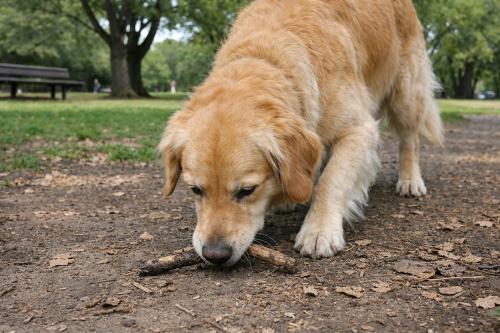
Sudden fear of everyday noises can be confusing and worrying for Golden Retriever owners. A dog that once seemed confident may begin reacting to sounds like traffic, household appliances, fireworks, or even distant voices. This change often feels unexpected, especially in a breed known for its friendly and adaptable nature.
Noise sensitivity is not always about fear itself. In many cases, it reflects how the dog’s nervous system processes stimulation, uncertainty, and emotional pressure.
This article explains why Golden Retrievers may become afraid of noises, what subtle signs to watch for, how fear can gradually intensify, and what practical steps help restore emotional balance and confidence.
Why Noise Sensitivity Can Develop in Golden Retrievers
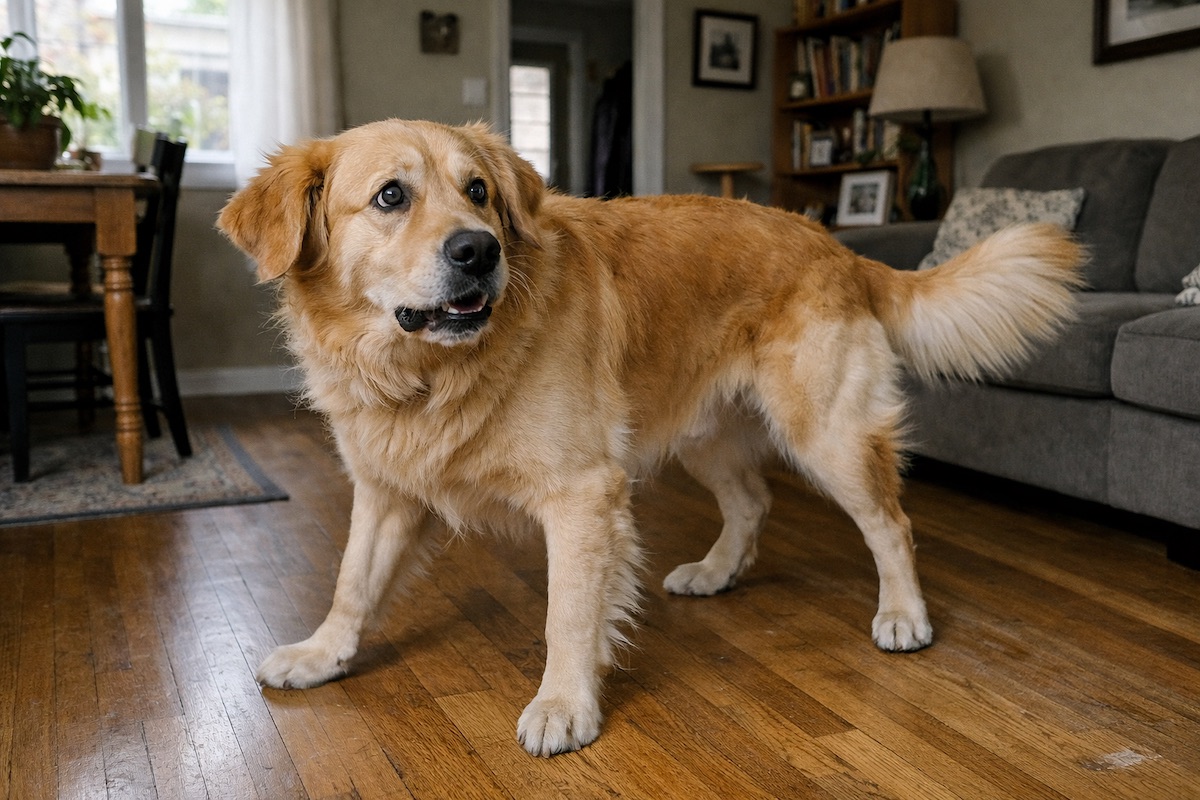
Golden Retrievers are emotionally perceptive dogs. They tend to notice changes in their environment and often respond strongly to unexpected events. While many remain confident in noisy situations, others gradually develop heightened sensitivity.
Noise fear may appear due to:
- Sudden exposure to loud or unpredictable sounds
- Accumulated nervous system fatigue
- Changes in routine or living environment
- Reduced emotional resilience during stressful periods
- Genetic sensitivity to stimulation
Instead of reacting only to one specific sound, some dogs begin to anticipate noise itself, creating ongoing tension even during quiet moments.
Common Noises That Trigger Fear
Different Golden Retrievers react to different types of sounds. Triggers often include:
- Thunderstorms or fireworks
- Vacuum cleaners or kitchen appliances
- Construction sounds or traffic noise
- Doorbells or sudden knocking
- Loud voices or crowded environments
Fear reactions are often strongest when sounds are sudden, unpredictable, or impossible for the dog to investigate.
Over time, sensitivity may generalize. A dog that initially reacts to fireworks may later become tense during everyday environmental sounds.
Subtle Signs Your Golden Retriever Is Afraid of Noises
Heightened Alertness
The dog may appear unable to fully relax, even in familiar environments. Instead of resting deeply, they frequently lift their head at distant sounds, watch doorways, or shift their attention from one source of noise to another. This constant monitoring can continue even when the dog seems physically calm.
Over time, heightened alertness may become the dog’s default state. Rather than reacting only to loud or sudden noises, they begin to anticipate sound before it happens, which keeps the nervous system in a prolonged state of tension.
Seeking Constant Proximity
Noise-sensitive dogs often stay unusually close to their owners, following them from room to room or hesitating to remain alone. This behavior is not always about affection — it can reflect a search for safety. The owner becomes a predictable reference point in an environment that feels uncertain.
Some Golden Retrievers may also position themselves physically against a person’s legs or sit nearby during quiet activities, such as working or watching television. This closeness can temporarily reduce anxiety but may also reinforce dependence if not balanced with gradual confidence-building.
Difficulty Settling
Instead of entering deep rest, the dog may lie down briefly, then stand up again, circle, or reposition multiple times. Sighing, shallow breathing, or subtle muscle tension can accompany these behaviors. Even when the environment appears calm, internal anticipation of noise can prevent true relaxation.
Owners may notice that sleep becomes lighter or more fragmented. The dog wakes easily at minor sounds and struggles to return to rest, which can gradually increase overall nervous system fatigue.
Startle Responses
Sudden noises — such as dropped objects, distant traffic, or unexpected household sounds — may trigger exaggerated reactions. The dog might jump, bark sharply, freeze momentarily, or attempt to move away quickly. These responses often occur before the dog has time to assess whether the sound is actually threatening.
Repeated startle reactions can create a cycle where the dog becomes increasingly sensitive. Anticipation builds, and even neutral environments begin to feel unpredictable.
Avoidance Behavior
Noise-related fear sometimes leads to subtle avoidance patterns. The dog may refuse to enter certain rooms, hesitate near windows or doors, or resist going outside during times when environmental sounds are more intense.
In some cases, avoidance appears as a preference for confined or sheltered spaces — under tables, behind furniture, or in quiet corners of the home. These locations may provide a sense of control when the broader environment feels overwhelming.
Increased Vocalization or Restless Sounds
Whining, soft barking, or low sighing noises may appear during quiet periods, especially when the dog expects potential disturbances. These vocalizations are often subtle and may be misinterpreted as boredom or attention-seeking.
In reality, they can reflect internal tension and an attempt to communicate discomfort or uncertainty.
Changes in Body Language
Fear of noises can also be expressed through small shifts in posture. The dog’s ears may stay partially raised, the tail held lower than usual, or muscles remain slightly rigid. Even when the dog approaches people or engages in activities, these signals may persist in the background.
Recognizing these early physical cues helps owners respond before anxiety escalates into more intense reactions.
Fear does not always look dramatic. Quiet vigilance, shallow rest, and subtle avoidance often appear long before visible panic or escape behavior.
Why Fear of Noises Can Suddenly Appear
Owners are often surprised when noise sensitivity develops later in life. Several factors may contribute:
- A stressful life event or environmental change
- Periods of mental overload or insufficient recovery
- Adolescent developmental stages
- Previous unnoticed fear experiences
- Increased emotional dependence on the owner
In many cases, fear builds gradually rather than appearing overnight.
Noise Fear vs Normal Caution
| Reaction | Normal Caution | Noise Sensitivity |
|---|---|---|
| Response duration | Short and situational | Persistent or escalating |
| Body language | Curious or alert | Tense or avoidant |
| Recovery | Returns to calm quickly | Struggles to relax afterward |
| Environmental impact | Limited | Affects daily routines |
Understanding this distinction helps owners respond appropriately instead of unintentionally reinforcing fear.
How to Help a Golden Retriever That Is Afraid of Noises
Create a Safe Resting Area
Providing a quiet, comfortable space where the dog can retreat helps reduce panic during noisy events. This area should feel predictable and emotionally neutral rather than isolated or restrictive. Soft bedding, familiar scents, and reduced visual stimulation can help the nervous system shift from alertness into recovery.
Some dogs benefit from slightly enclosed resting zones, such as a corner with furniture boundaries or a covered crate left open. The goal is not confinement, but the creation of a reliable “emotional shelter” where external stimuli feel less overwhelming.
Lower Overall Stress Levels
Noise sensitivity often worsens when the dog’s nervous system is already overloaded. Temporarily reducing high-arousal activities — such as intense fetch, chaotic social interactions, or long stimulating outings — allows emotional tension to decrease.
Calm sniffing walks, slow-paced movement, and quiet companionship can help regulate internal stress chemistry. When baseline tension decreases, dogs often become more resilient to unexpected sounds.
Gradual Sound Exposure
Carefully controlled exposure to mild sounds paired with positive, low-pressure experiences can help rebuild confidence. For example, playing quiet background noise during relaxed activities or offering food puzzles while soft environmental sounds are present can teach the dog that sound does not always predict danger.
Progress should be slow and adaptive. Increasing intensity too quickly may reinforce fear rather than reduce it. The dog should remain capable of eating, resting, or engaging calmly during exposure — this indicates that emotional processing is still manageable.
Maintain Predictable Daily Structure
Consistent routines create a sense of safety that extends beyond specific fear triggers. Regular feeding times, familiar walking patterns, and clear rest periods help the dog anticipate daily events instead of constantly scanning for uncertainty.
When life feels structured, unexpected noises become isolated events rather than part of a generally unpredictable environment.
Respond Calmly to Fear
Dogs are highly sensitive to human emotional feedback. Sudden concern, frantic soothing, or visible frustration can unintentionally confirm that a sound is something to worry about. Instead, calm presence and steady behavior communicate stability.
Gentle reassurance without excessive attention helps the dog feel supported without reinforcing dependency. In many cases, simply remaining relaxed and continuing normal activity reduces the perceived importance of the noise.
Encourage Recovery After Noise Events
Helping the dog return to a calm state after a frightening sound is just as important as managing the initial reaction. Slow breathing interactions, quiet walking indoors, or guiding the dog to their resting space can help complete the stress cycle.
Without recovery support, the nervous system may remain in prolonged alert mode, making future reactions stronger.
Avoid Punishment or Forced Confrontation
Correcting fearful reactions or forcing the dog to “face” loud noises often increases anxiety. Fear is an emotional response, not a behavioral choice. Supportive exposure and emotional regulation strategies are more effective than pressure-based approaches.
Support Independent Confidence
Gradually encouraging the dog to feel safe without constant physical contact builds long-term resilience. Short periods of calm independence in a secure environment teach the dog that safety does not depend solely on proximity to the owner.
Confidence grows when fear is acknowledged but not intensified. Emotional stability develops through patience, predictability, and gradual progress.
When to Seek Professional Help
If noise fear leads to destructive behavior, attempts to escape, aggression, or severe distress, professional guidance may be necessary.
- Certified dog behaviorists
- Veterinary consultation to rule out medical causes
- Structured behavior modification plans
Early support can prevent long-term anxiety patterns from becoming deeply ingrained.
Final Thoughts
Fear of noises does not mean a Golden Retriever is weak or poorly trained. It often reflects a sensitive nervous system trying to cope with unpredictability.
With patience, structure, and emotional clarity, many noise-sensitive dogs regain confidence and learn to feel safe again.
Understanding your dog’s emotional experience is the first step toward helping them navigate a noisy and ever-changing world.
Author: XPETSI Editorial Team