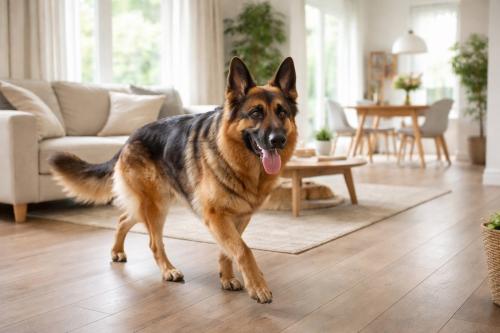
Many dog owners are surprised when their pet suddenly refuses to eat after being given a brand-new food bowl. The food is the same, the place is the same, but the dog sniffs the bowl, steps back, or ignores it completely. This behavior is more common than it seems and is usually linked to a dog’s instincts, senses, and past experiences rather than stubbornness or illness.
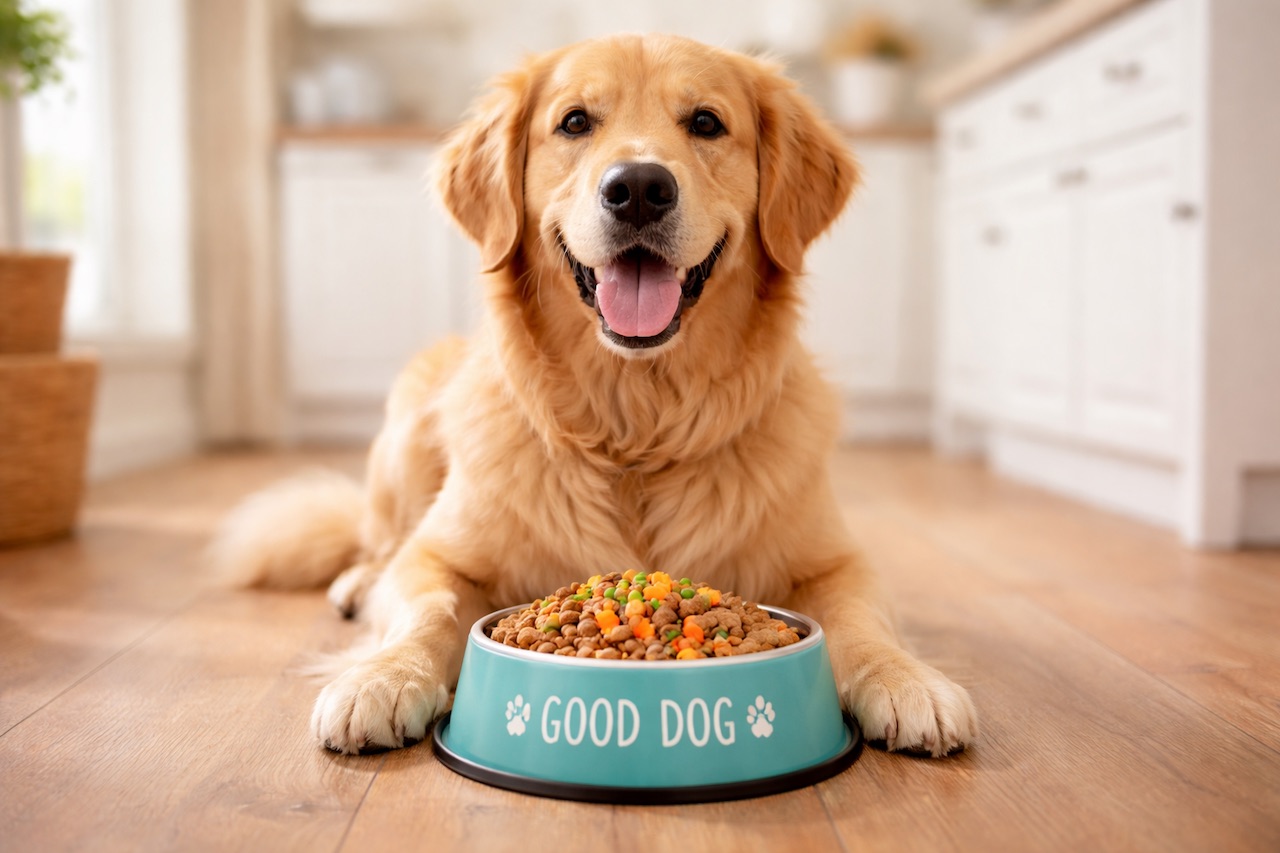
Dogs Rely Heavily on Familiar Scents
A dog’s sense of smell is far more powerful than a human’s, and familiar scents provide comfort and safety. An old bowl carries the dog’s own scent, food residue, and even the household smell that signals “this is safe.” A new bowl, especially one made of plastic, silicone, or stainless steel, often has factory odors, chemical residues, or metallic smells that are unpleasant or confusing to dogs.
Even if a bowl smells neutral to humans, a dog may detect strong artificial scents left from manufacturing, packaging, or cleaning agents. This unfamiliar smell can make the dog hesitant to put its face close to the bowl, especially during something as vulnerable as eating.
Reflections and Visual Sensitivity
Highly reflective bowls, such as stainless steel or polished ceramic, can visually disturb some dogs. The reflection of light, movement, or even the dog’s own face can appear threatening. Sensitive or anxious dogs may perceive these reflections as something unfamiliar or intrusive, causing them to avoid the bowl entirely.
Puppies and rescue dogs are especially prone to this reaction, as they may lack prior experience with shiny surfaces. What looks modern and clean to an owner may feel unpredictable to a dog.
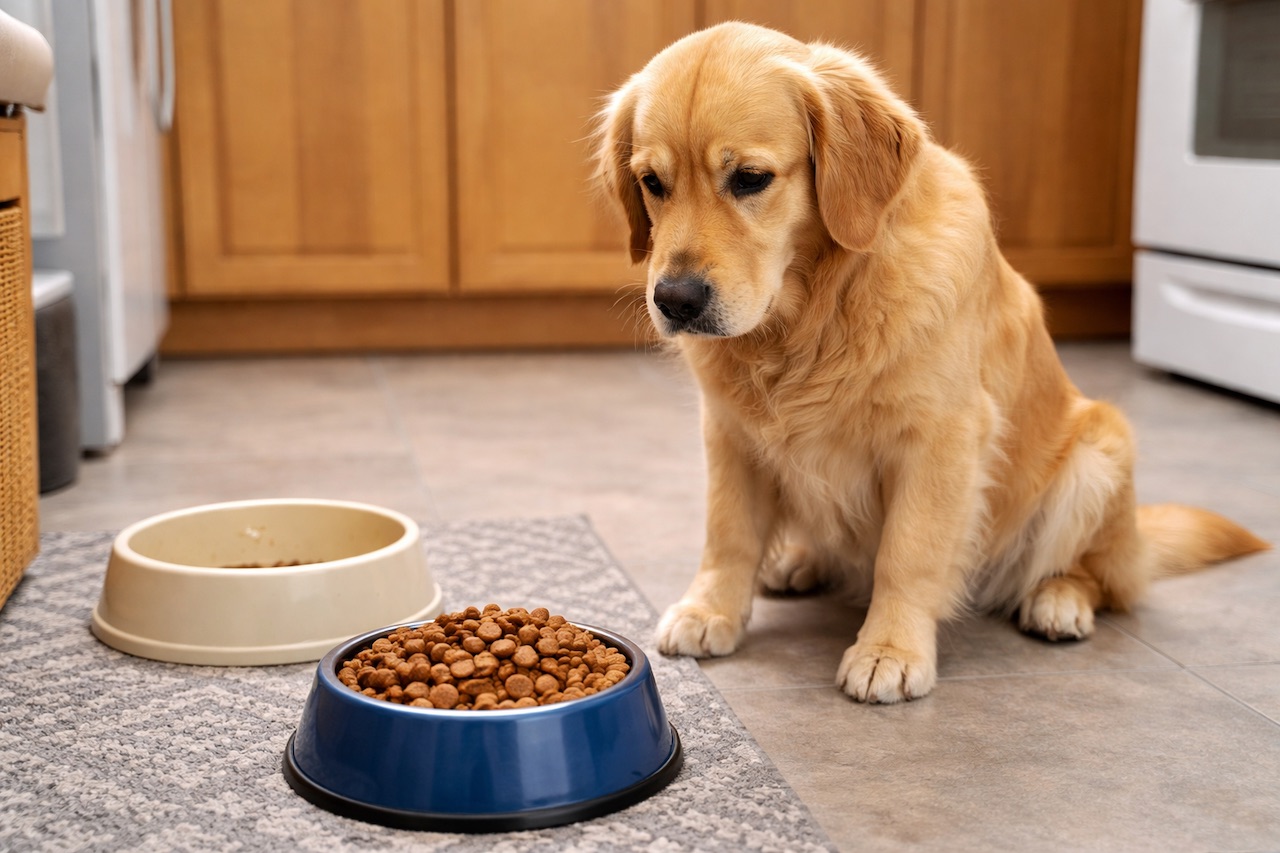
Noise and Sound Sensitivity
Some bowls make noise when a dog’s collar tag hits the side or when kibble moves across the surface. Metal bowls, in particular, can amplify sounds that startle dogs. If a dog has had even one negative experience—such as a loud clatter or the bowl sliding unexpectedly—it may associate the new bowl with discomfort.
Dogs that are naturally cautious or noise-sensitive may refuse to eat simply to avoid a repeat of that unpleasant sound.
Location Changes Reinforce Bowl Avoidance
Sometimes the issue is not just the bowl but where it is placed. A new bowl is often introduced along with a new feeding spot. If the bowl is near loud appliances, heavy foot traffic, or a corner where the dog feels trapped, the dog may choose not to eat there.
Dogs prefer eating in calm, predictable environments. Even a small change in feeding location can trigger hesitation, especially in dogs that value routine.
Past Negative Associations
Dogs form strong associations quickly. If a dog once felt sick after eating from a similar-looking bowl or was startled while eating, the new bowl may subconsciously remind them of that event. Rescue dogs may also associate certain bowl types with stressful shelter environments.
This does not mean the dog is being difficult. It simply means the dog is trying to avoid a situation that feels unsafe based on past experiences.
Material Preferences Matter
Some dogs strongly prefer specific bowl materials. Plastic bowls can retain odors and develop micro-scratches that trap bacteria, producing smells dogs dislike. Metal bowls may reflect light or make noise, while ceramic bowls are heavier and quieter but may still feel unfamiliar.
Dogs with sensitive noses or skin may show a clear preference once given options.
How to Help Your Dog Accept a New Bowl
To ease the transition, try washing the new bowl thoroughly with unscented soap and rinsing it well. Let it air out for a day or two. You can also place the new bowl next to the old one for a few meals so the dog can investigate without pressure.
Adding a small amount of the dog’s scent—by rubbing the bowl with a clean cloth that smells like the dog—can help. Feeding a high-value treat from the new bowl once or twice may also create a positive association.
When to Be Concerned
If a dog refuses to eat from any bowl or skips meals entirely for more than a day, it may indicate stress, dental pain, or illness rather than a bowl issue. However, if the dog eats readily from the old bowl or accepts food when placed on the floor, the problem is almost certainly behavioral and temporary.
FAQ: Why Dogs Refuse to Eat From a New Bowl
Why would my dog refuse a brand-new bowl?
Many dogs avoid new bowls because of unfamiliar smells (factory oils, packaging odors), different materials, a new shape/height, or because the bowl makes a surprising noise. Some dogs also form strong routines and simply prefer what they already know.
Is it normal for dogs to be scared of a new bowl?
Yes. Dogs can be cautious with new objects, especially if the bowl is shiny, slippery, moves on the floor, or “clinks” against tags or the ground. This is common in sensitive or anxious dogs.
Can the smell of a new bowl really matter that much?
Absolutely. A dog’s nose is extremely sensitive. Manufacturing residues, plastic odors, and even strong dish soap fragrance can make food smell “wrong,” causing avoidance.
What’s the fastest way to make a new bowl acceptable?
Wash it thoroughly with unscented soap, rinse well, and let it air out 24–48 hours. Then place a few high-value treats in the empty bowl (no pressure), and slowly transition from the old bowl to the new one.
Could the new bowl be causing whisker stress?
Yes, especially for cats, but some small dogs dislike deep, narrow bowls that brush their face. A wide, shallow bowl can feel more comfortable.
Do stainless-steel bowls ever bother dogs?
They can. Stainless steel can reflect light, amplify sounds, and sometimes hold smells if not cleaned well. Also, if it slides on tile, the movement can startle a dog.
Can a bowl’s noise make a dog stop eating?
Yes. If the bowl hits the floor, tag, or stand and makes a sharp sound, some dogs associate the bowl with that unpleasant noise and refuse to approach it.
What if my dog’s collar tag hits the bowl?
That’s a common cause. The clinking sound can annoy or scare a dog. Try removing the tag during meals, switching to a quieter tag, using a wider bowl, or feeding from a non-metal bowl.
Does bowl height matter?
It can. A bowl that is too low or too high may feel awkward, especially for senior dogs, large breeds, or dogs with neck/back discomfort. Choose a height that allows a comfortable, natural posture.
Could the new bowl be too small?
Yes. If the dog’s muzzle doesn’t fit comfortably, or the dog has to press their nose into a tight space, they may avoid it. A wider bowl is often easier.
Is plastic a bad choice for some dogs?
Plastic can retain odors and develop tiny scratches that trap bacteria. Some dogs dislike the smell or taste. If your dog avoids plastic, try ceramic or stainless steel.
Can the color of the bowl affect eating?
Sometimes. Dogs see colors differently than humans, and highly reflective or bright bowls can be visually distracting. This is less common than smell and sound issues, but it can matter for sensitive dogs.
What if the bowl slides on the floor?
A sliding bowl can create stress and confusion. Put the bowl on a non-slip mat, use a rubber base, or choose a heavier bowl that stays in place.
Could a stand or feeding station be the problem?
Yes. Some stands wobble or make noise. Others position the bowl awkwardly. Try placing the bowl directly on a mat on the floor to test whether the stand is causing avoidance.
How should I transition from the old bowl to the new bowl?
Start by placing the new bowl near the old bowl (empty) so your dog can sniff it without pressure. Then feed high-value treats from it, and finally move meals over gradually (mixing locations or alternating bowls).
Should I remove the old bowl to “force” my dog to use the new one?
Usually no. Forcing can increase anxiety and make the new bowl a negative experience. A slow transition is faster in the long run and builds a positive association.
Can I use the old bowl inside the new bowl?
Yes, that’s a great trick. Put the old bowl (or a familiar plate) inside/near the new one for a few days. Then slowly reduce reliance on the old bowl once your dog is comfortable.
Does dish soap scent cause bowl refusal?
It can. Strong lemon or perfume scents can overpower food smells. Use unscented soap, rinse thoroughly, and air-dry fully before offering food.
What if my dog eats from the new bowl sometimes but not always?
That usually suggests a situational trigger—noise, sliding, bowl position, distractions, or a specific food smell. Observe what changes between successful and unsuccessful attempts.
Could this be a health problem rather than the bowl?
Possibly. If your dog also shows reduced appetite, drooling, pawing at the mouth, vomiting, diarrhea, weight loss, or reluctance to chew, the issue may be dental, gastrointestinal, or pain-related and should be checked by a veterinarian.
How long should I give my dog to adjust to a new bowl?
Many dogs adjust within a few days once smell/noise issues are fixed. More sensitive dogs may need 1–2 weeks of gentle exposure and positive reinforcement.
What bowl type is usually safest for picky dogs?
Most dogs do well with a stable, heavy, wide bowl made of stainless steel or ceramic, placed on a non-slip mat. The best choice depends on your dog’s sensitivity to smell, noise, and movement.
When should I contact a vet?
If the refusal lasts more than 24–48 hours with skipped meals, your dog seems unwell, drinks less, shows signs of pain, or you notice other symptoms, it’s safer to consult a veterinarian promptly.
Dogs refusing to eat from a new bowl is usually a reaction to unfamiliar smells, sounds, reflections, or past experiences. With patience and small adjustments, most dogs adapt quickly. Understanding how sensitive dogs are to changes helps owners make feeding time comfortable, predictable, and stress-free.
Author: XPETSI Editorial Team