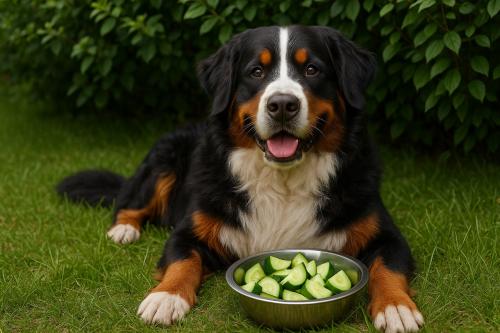
Boiled potatoes are a common human food, and many dog owners wonder whether they can safely share them with their pets on a daily basis. Potatoes are filling, inexpensive, and easy to prepare, but that does not automatically make them suitable for regular canine consumption. While dogs can eat boiled potatoes in certain situations, feeding them every day raises important nutritional, digestive, and long-term health concerns.
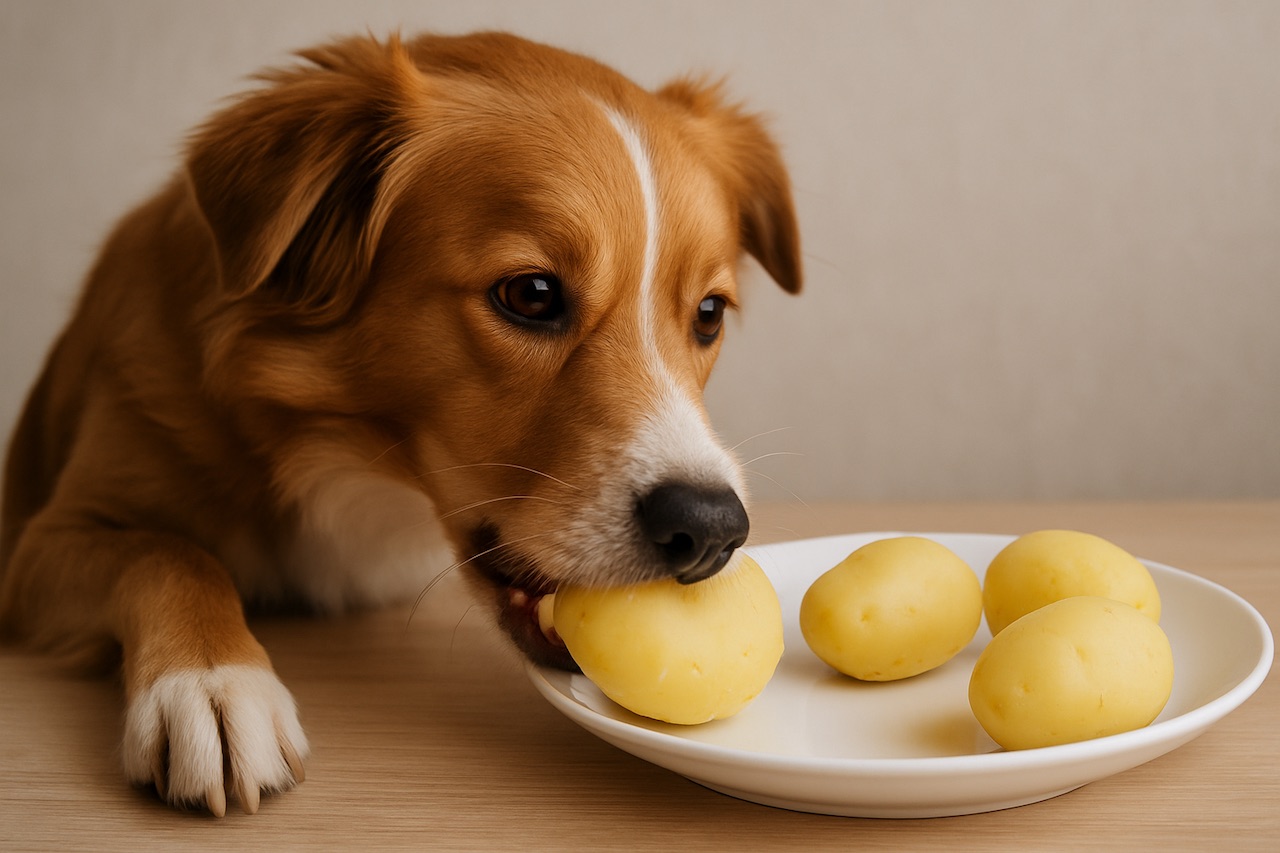
In this article, we will take an in-depth look at whether dogs can eat boiled potatoes daily, when they may be helpful, when they become harmful, and how to safely include them in a dog’s diet if needed. We will also cover portion sizes, breed considerations, health conditions, and common mistakes owners make when feeding potatoes.
Are Boiled Potatoes Safe for Dogs
Yes, boiled potatoes are generally safe for dogs when they are fully cooked, plain, and fed in moderation. Cooking removes most harmful compounds found in raw potatoes and makes the starch easier for dogs to digest. However, safety does not mean suitability for everyday feeding.
Dogs are omnivores with a strong carnivorous bias. Their digestive systems are designed to process animal protein and fats efficiently, while carbohydrates like potatoes should play only a limited role in their diet.
Why Cooking Method Matters
Only boiled potatoes are acceptable for dogs. Raw potatoes contain solanine, a toxic compound that can cause gastrointestinal upset and neurological symptoms. Fried potatoes, baked potatoes with skin, or seasoned potatoes are unsafe due to added fats, salt, and spices.
Can Puppies Eat Boiled Potatoes
Puppies can eat boiled potatoes, but only under very specific conditions and in very small amounts. Plain, fully cooked potatoes without salt, butter, spices, milk, or oil are the only safe option. Raw potatoes and green potatoes contain solanine, a toxic compound that is especially dangerous for puppies because their digestive systems and nervous systems are still developing.
Even when boiled, potatoes should never be a staple food for puppies. Puppies need diets rich in high-quality protein, healthy fats, vitamins, and minerals to support growth, bone development, and brain function. Potatoes are mostly carbohydrates and provide little nutritional value compared to puppy-formulated food. Overfeeding potatoes can displace essential nutrients and slow healthy development.
Portion size is critical. For small and medium puppies, a few soft, mashed bites mixed into regular food is more than enough. Large-breed puppies should receive even less, as excess carbohydrates can contribute to rapid weight gain, which may stress growing joints. Potatoes should be given occasionally, not daily, and only as a supplement, not a replacement.
If a puppy shows symptoms such as vomiting, diarrhea, bloating, lethargy, or loss of appetite after eating potatoes, they should be removed from the diet immediately. Puppies with sensitive stomachs, food allergies, or digestive issues may react poorly even to boiled potatoes. When in doubt, it’s always safer to stick with veterinarian-approved puppy foods and treats designed specifically for growing dogs.
Nutritional Value of Boiled Potatoes for Dogs
Boiled potatoes provide carbohydrates, which are a source of energy. They also contain small amounts of vitamins and minerals, but their nutritional value for dogs is limited compared to meat-based foods.
| Nutrient | Benefit for Dogs | Limitations |
|---|---|---|
| Carbohydrates | Quick energy source | Not essential in large amounts |
| Potassium | Supports muscle and nerve function | Available in better sources |
| Vitamin C | Antioxidant support | Dogs produce their own |
| Fiber | May aid digestion | Too much causes bloating |
While potatoes are not nutritionally empty, they should never replace balanced dog food.
Can Dogs Eat Boiled Potatoes Every Day
Feeding boiled potatoes to dogs every day is not recommended. Daily consumption can lead to nutritional imbalance, weight gain, digestive issues, and long-term health problems.
Potatoes are high in starch, and excessive starch intake can overwhelm a dog’s digestive system, especially in small breeds or dogs with sensitive stomachs.
Why Daily Feeding Is a Problem
They displace essential proteins and fats
They increase the risk of obesity
They may contribute to blood sugar spikes
They can cause chronic digestive discomfort
Boiled potatoes should be considered an occasional supplement, not a staple food.
When Boiled Potatoes May Be Helpful
There are limited situations where boiled potatoes can be beneficial for dogs when used correctly.
Temporary Bland Diet
Veterinarians often recommend plain boiled potatoes as part of a bland diet for dogs recovering from diarrhea or stomach upset. In these cases, potatoes are combined with lean protein such as boiled chicken.
Weight Gain Support
Underweight dogs may benefit from small amounts of carbohydrates to increase calorie intake, but this should be done under veterinary guidance.
Health Risks of Feeding Boiled Potatoes Daily
Weight Gain and Obesity
Potatoes are calorie-dense. Regular feeding can quickly lead to excess weight, especially in less active dogs.
Blood Sugar Spikes
Potatoes have a high glycemic index. Daily consumption may be problematic for diabetic dogs or breeds prone to insulin resistance.
Digestive Problems
Gas, bloating, and loose stools are common signs of excessive potato consumption.
Nutritional Deficiencies
Relying on potatoes may reduce intake of essential amino acids, fatty acids, and micronutrients.
Breed and Age Considerations
Puppies
Puppies require protein-rich diets for growth. Potatoes should be avoided or offered only in very small amounts.
Senior Dogs
Older dogs may struggle to digest starch and are more prone to weight gain.
Small vs Large Breeds
Small breeds are more sensitive to carbohydrate overload, while large breeds may tolerate slightly more but still should not eat potatoes daily.
How Much Boiled Potato Can a Dog Eat
| Dog Size | Safe Portion (Occasional) |
|---|---|
| Small (under 10 kg) | 1–2 tablespoons |
| Medium (10–25 kg) | 2–4 tablespoons |
| Large (25+ kg) | ¼ cup |
These portions should not be given daily.
Safe Preparation Rules
Always peel the potato
Boil without salt or seasoning
Serve cooled and mashed or chopped
Never feed raw or green potatoes
Better Alternatives to Boiled Potatoes
If you are looking for healthier carbohydrate or vegetable options, consider:
Sweet potatoes
Pumpkin
Carrots
Rice (plain, cooked)
These options provide more fiber and micronutrients with fewer risks.
FAQ
Can dogs eat boiled potatoes every day if they are active
No. Even active dogs do not need daily potatoes, as balanced dog food already meets energy requirements.
Are boiled potatoes better than rice for dogs
Rice is generally easier to digest and preferred for sensitive stomachs.
Can dogs eat potato skin
No. Potato skin may contain solanine and is harder to digest.
Can diabetic dogs eat boiled potatoes
Boiled potatoes are not recommended for diabetic dogs due to blood sugar impact.
What happens if my dog eats potatoes every day
Over time, this may lead to weight gain, digestive issues, and nutritional imbalance.
Final Verdict
Boiled potatoes are safe for dogs in small, occasional amounts, but they should never be fed every day. Dogs thrive on balanced diets rich in animal protein, healthy fats, and controlled carbohydrates. While potatoes can be useful in specific short-term situations, daily feeding increases the risk of obesity, digestive problems, and long-term health issues.
If you want to include boiled potatoes in your dog’s meals, do so sparingly, prepare them correctly, and always prioritize complete and balanced dog food as the foundation of your pet’s diet.
Author: XPETSI Editorial Team