A lot of Golden Retriever owners see a strange pattern: their dog seems calm, relaxed, and settled one minute, and then the next minute it goes crazy. The change can feel sudden, like it happens for no reason at all.
People often think that this kind of behavior is random or hard to predict. In reality, it usually shows how the dog reacts to stimulation over time and how its internal states change.
Sudden hyperactivity is rarely sudden — it is often the visible release of stimulation that has been building quietly.
Understanding this pattern helps explain why calm moments can quickly turn into bursts of energy.
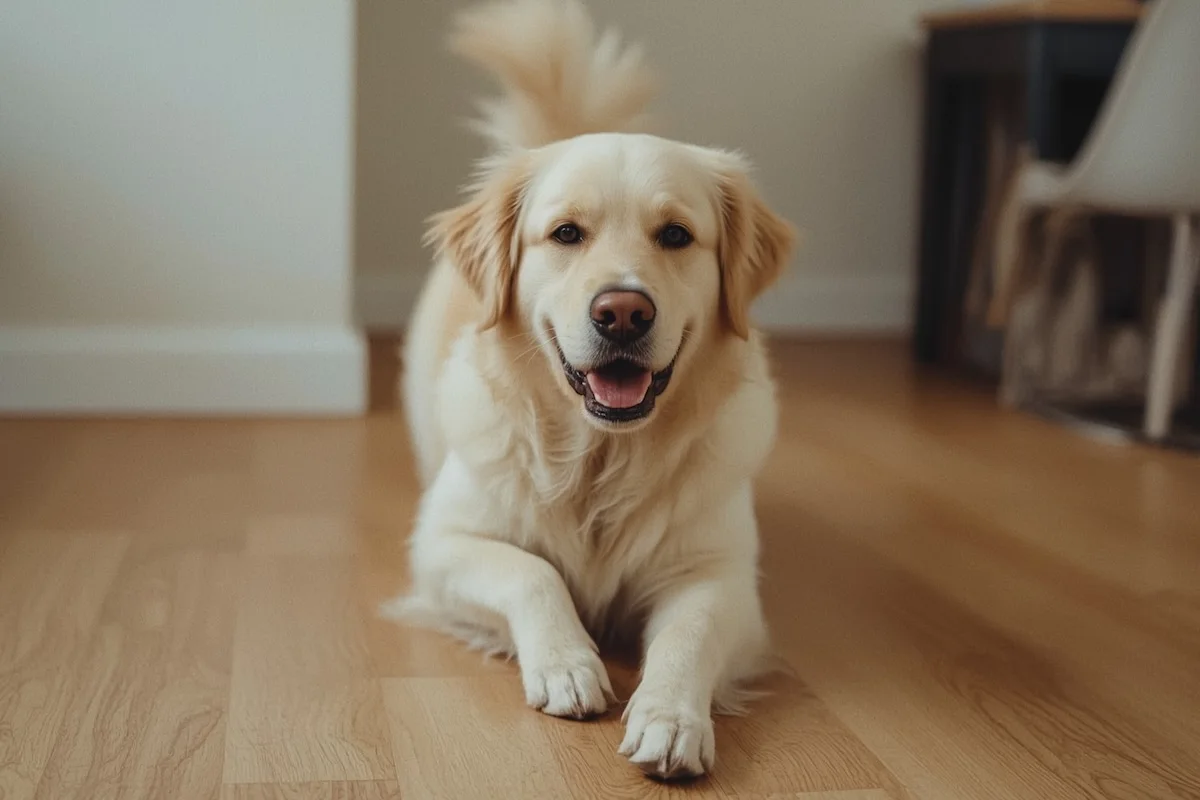
Calm Does Not Always Mean Relaxed
One of the key misunderstandings is assuming that stillness equals relaxation. For humans, being still often means being calm. For dogs, these are not always the same thing.
A Golden Retriever may appear calm while still carrying internal tension or stimulation. In this state, the dog is not fully relaxed — it is simply not expressing the energy outwardly yet.
Instead of true rest, the dog may be in a controlled or paused state. The body slows down, but the nervous system remains partially active.
This can look like:
- Quiet but alert behavior
The dog is not moving, but remains responsive to small sounds or changes. Ears may shift, eyes track movement, and reactions happen quickly. - Watching the environment or the owner
Instead of disengaging, the dog continues to monitor what is happening around it. Attention remains outward, not settled. - Remaining still but not fully settled
The dog may lie down, but frequently lifts its head, shifts position, or changes focus, indicating that relaxation is incomplete.
In this state, energy is not gone — it is simply held.
This often happens after periods of stimulation. The dog pauses, but has not yet processed or released what it has experienced.
It can be helpful to distinguish between two different states:
- Stillness → low movement, but possible internal activity
- Relaxation → both body and nervous system are settled
Without full relaxation, the dog remains close to activation. This means that even a small trigger — a sound, movement, or interaction — can quickly shift behavior into activity or hyperactivity.
This is why transitions can feel sudden. What looks like a calm dog may already be near a threshold where energy can be released.
A dog can look calm while still being mentally active and internally stimulated. True relaxation is not just stillness — it is the absence of internal tension.

Stimulation Builds Gradually
Throughout the day, your dog experiences multiple sources of stimulation:
- Walks and environmental input
- Play and interaction
- Sounds, movement, and social activity
Each of these adds to the overall level of activation in the nervous system.
Instead of being released immediately, this stimulation can accumulate quietly.
As long as the dog remains controlled or still, the buildup may not be obvious.
The Release Happens Later
When the nervous system reaches a certain threshold, the accumulated stimulation needs to be released.
This is when behavior changes suddenly:
- Running, jumping, or zooming
- Increased excitement or intensity
- Rapid shifts in attention
From the outside, this looks like a sudden change. But internally, it is the result of a buildup that has been happening over time.
Hyperactivity is often a release — not a new state.
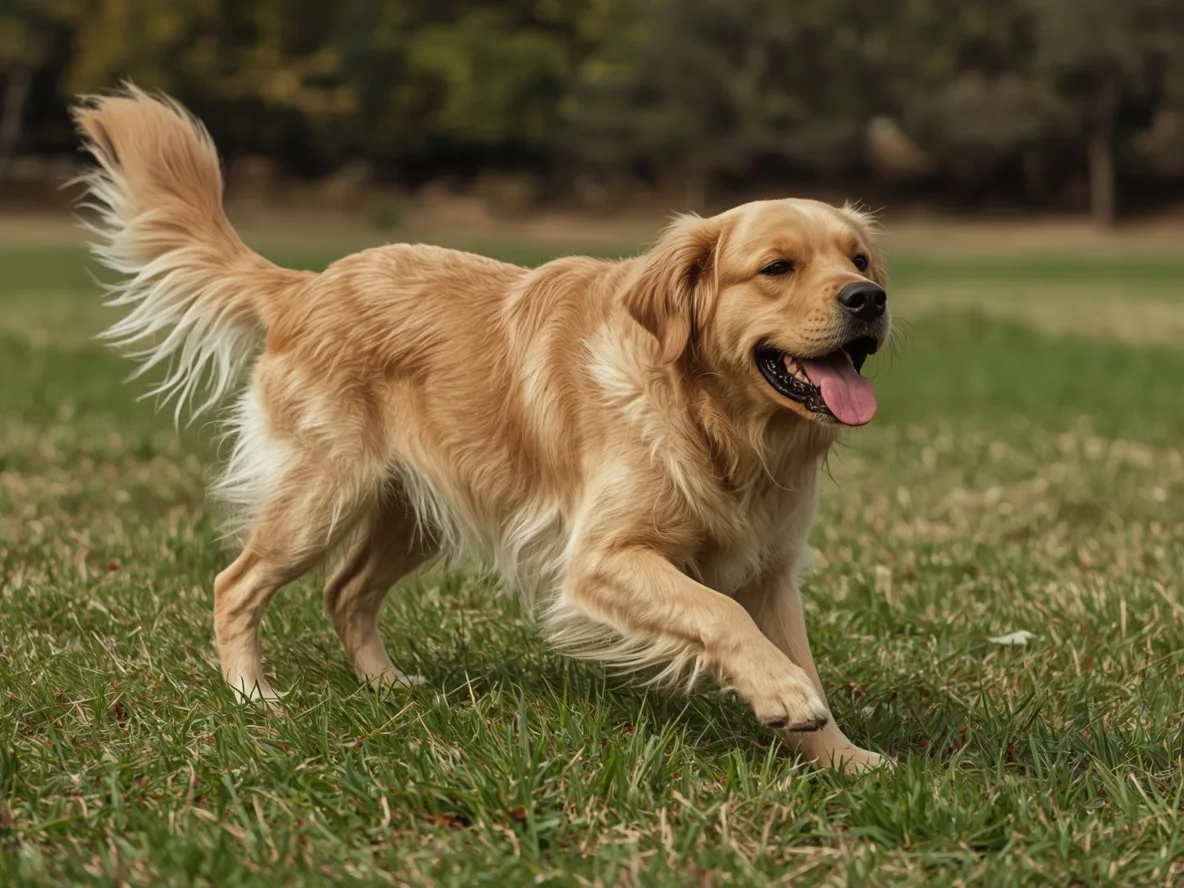
Transitions Are Incomplete
Healthy behavior follows a sequence:
activity → processing → rest
For some Golden Retrievers, this process does not complete fully.
Instead:
- Processing is interrupted
- Rest is shallow or brief
- Stimulation remains unresolved
This leaves the dog in a partially active state, where energy can resurface quickly.
Environmental Triggers Activate the Release
Even small triggers can activate this stored energy:
- A change in your movement
- A sound or visual stimulus
- Interaction or attention
Because the system is already close to its threshold, it does not take much to shift into hyperactivity.
This is why the change feels sudden — the trigger is small, but the underlying buildup is large.
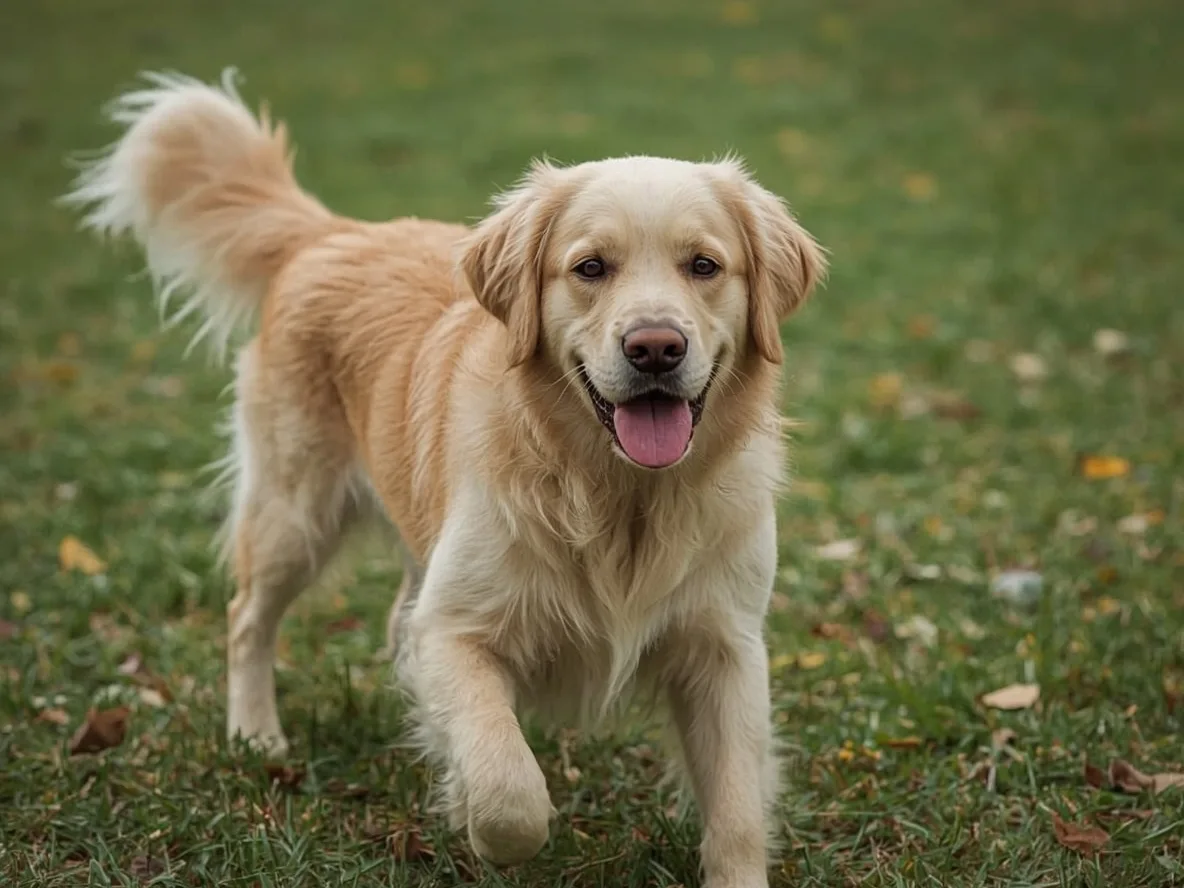
Why This Happens More in the Evening
This pattern is often more noticeable later in the day, and it is rarely a coincidence. By evening, your Golden Retriever has already gone through multiple cycles of activity, interaction, and environmental input.
Even if each individual experience felt manageable, the total effect builds gradually.
Throughout the day, the dog accumulates stimulation from different sources:
- Walks with constant sensory input
- Play and social interaction
- Household movement and sounds
- Moments of excitement, attention, or alertness
Each of these adds a layer of activation to the nervous system. While some of it is processed in the moment, not all of it is fully resolved before the next experience begins.
By evening, this creates a cumulative load.
Instead of returning to a neutral baseline, the dog may remain in a partially activated state for longer periods of time. This makes transitions into rest more difficult.
As a result:
- Rest becomes harder
The dog may attempt to settle but cannot fully relax. It may lie down briefly, then get up again, or remain alert even while still. - Energy feels unstable
Instead of a smooth decline in activity, energy fluctuates. The dog may appear calm, then suddenly become active again. - Hyperactivity appears more easily
Because the system is already close to its threshold, even small triggers can lead to bursts of activity.
Another important factor is reduced structure in the evening. Daily routines often become less predictable, with more movement, interaction, or changes in the environment. This increases the need for the dog to stay attentive.
At the same time, fatigue can play a role. Just like in humans, tiredness does not always lead to calm behavior — it can make regulation more difficult.
This combination of accumulated stimulation and reduced ability to process it creates a state where behavior becomes less stable.
The evening often reflects the sum of the entire day’s stimulation. What appears as sudden hyperactivity is often the delayed result of everything the dog has experienced throughout the day.
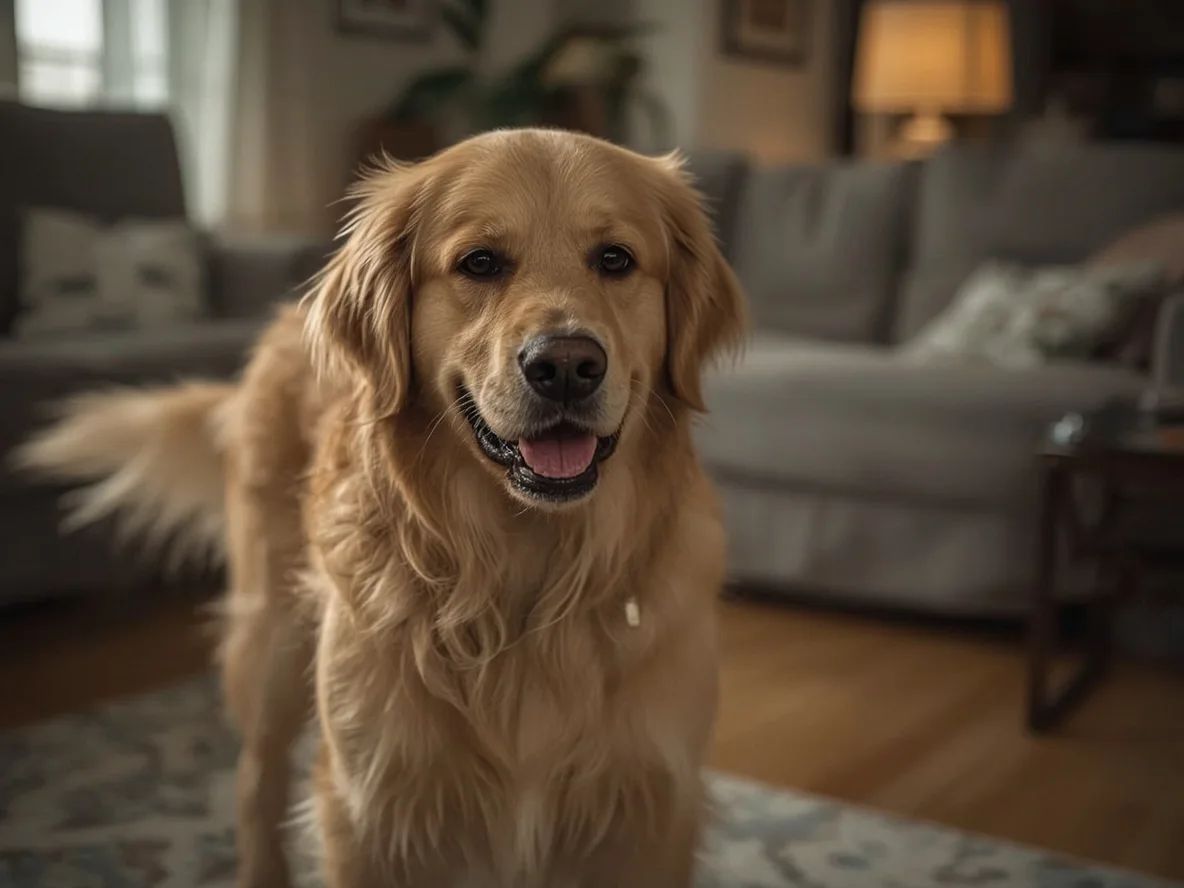
How to Support More Stable Behavior
Stable behavior does not come from reducing energy alone — it comes from helping the dog move smoothly between states. When transitions are complete and the nervous system has time to settle, sudden shifts become less frequent.
Instead of reacting to hyperactivity after it appears, it is more effective to support the earlier stages where change begins.
Recognize Early Signs
Before a sudden burst of energy, there is often a quieter phase where the dog appears calm but is not fully relaxed.
Learning to recognize this stage is key.
Common early signs include:
- Stillness with alert posture
- Watching the environment or the owner closely
- Frequent small movements or shifts
- Difficulty settling into a comfortable position
These signals indicate that the dog is close to a threshold where energy may be released.
Responding at this stage — by reducing stimulation and allowing space — is more effective than reacting after hyperactivity begins.
Allow Full Transitions
After activity, the dog needs time to move through a processing phase before reaching true rest.
Interrupting this phase — with interaction, noise, or new stimulation — can prevent the transition from completing.
Support smoother transitions by:
- Slowing down the end of activity instead of stopping abruptly
- Avoiding immediate engagement after walks or play
- Allowing quiet time without expectations
This helps the nervous system move naturally from activation into relaxation.
Reduce Stimulation Build-Up
Throughout the day, stimulation can accumulate even if each individual activity seems manageable.
Instead of stacking stimulation, aim for balance:
- Alternate active periods with calm, low-input time
- Avoid long sequences of continuous interaction
- Be mindful of environments that require constant attention
Reducing the total load prevents the system from reaching a point where energy must be released suddenly.
Support Quiet Decompression
Decompression is the phase where the dog processes and releases accumulated stimulation. This requires an environment that does not demand attention.
Effective decompression includes:
- Quiet spaces with minimal movement
- Limited interaction or engagement
- Time to observe without reacting
During this phase, less is more. The goal is not to guide behavior, but to allow the nervous system to settle on its own.
Stable behavior comes from complete transitions — not from suppressing energy, but from allowing it to resolve. When the dog is given time and space to process, calmness becomes natural rather than forced.
Final Thoughts
A Golden Retriever that goes from calm to hyper is not unpredictable — it is showing how internal states shift when stimulation builds and is released.
By understanding this pattern, you can support smoother transitions, reduce sudden bursts of energy, and help your dog develop a more balanced rhythm throughout the day.
Author: XPETSI Editorial Team