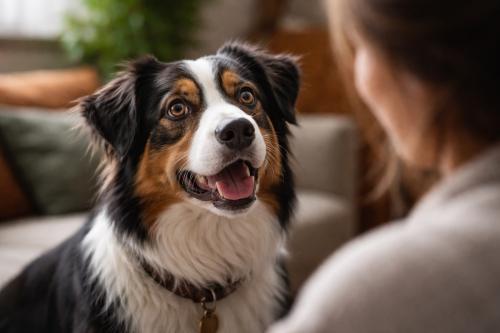
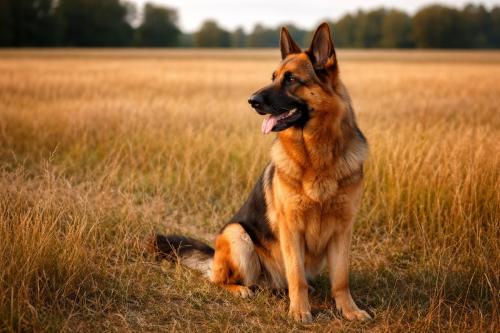
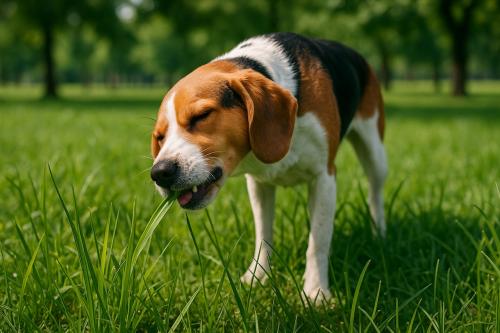
Dogs may not speak our language, but they communicate constantly through their daily habits. From how they wake up in the morning to where they choose to sleep at night, every routine behavior reveals something about their personality, emotional state, and relationship with their human.
Many dog owners notice patterns—some dogs follow them everywhere, others prefer independence; some eat calmly, others rush their food; some sleep curled up tightly, while others sprawl across the bed. These habits are not random. They are shaped by instinct, genetics, environment, and past experiences.
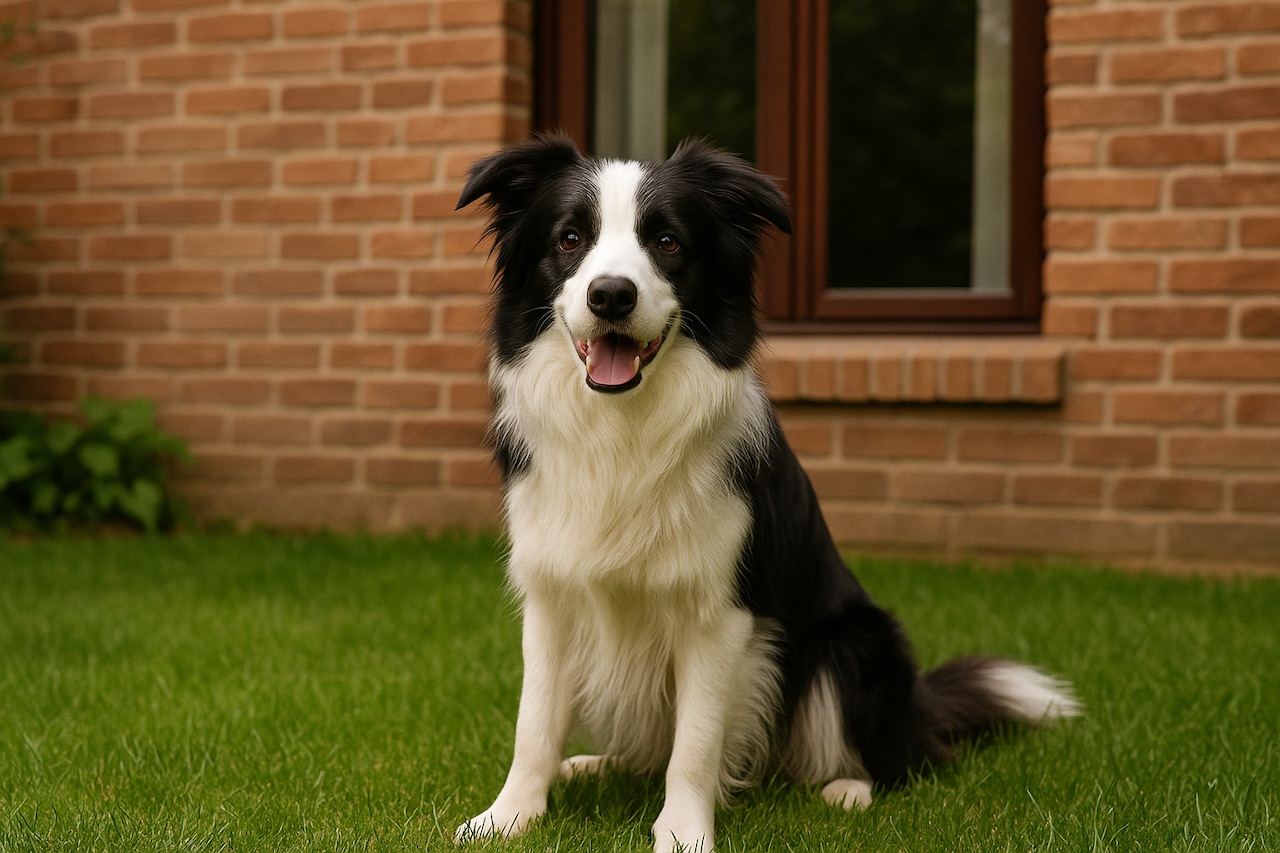
Understanding what your dog’s daily habits say about their personality can help you strengthen your bond, improve training, reduce problem behaviors, and better meet your dog’s emotional needs.
Why Daily Habits Matter More Than Occasional Behavior
One-time actions don’t define personality. Daily habits do.
Dogs are creatures of routine. Repeated behaviors form patterns that reflect how a dog feels about safety, trust, stimulation, hierarchy, and attachment. These habits often develop unconsciously and remain consistent unless the dog’s environment or emotional state changes.
By observing your dog’s everyday routines, you gain insight into:
confidence vs insecurity
independence vs attachment
energy level and mental needs
stress tolerance
how your dog perceives their role in the household
Morning Habits and What They Reveal
How Your Dog Wakes Up
The way a dog starts their day often mirrors their emotional baseline.
Dogs who wake up excited and energetic—tail wagging, stretching, bouncing toward you—are usually confident, optimistic, and emotionally secure. These dogs anticipate the day positively and feel safe in their environment.
Dogs who wake up slowly or cautiously may be naturally calm, independent, or slightly anxious. This does not mean something is wrong; some dogs are simply more observant and thoughtful.
Dogs who immediately seek physical contact often form strong emotional bonds and value reassurance. They may be deeply attached to their owner and sensitive to changes in routine.
Morning Following Behavior
If your dog follows you closely every morning—from the bedroom to the bathroom to the kitchen—it usually indicates:
strong attachment
social dependence
desire for involvement
This behavior is common in breeds bred for companionship or working closely with humans.
Dogs who do not follow immediately are often confident and secure. Independence does not equal lack of love—it often means the dog feels safe enough to relax on their own.
Eating Habits and Personality Traits
Fast Eaters vs Slow Eaters
How a dog eats is one of the clearest personality indicators.
Fast eaters tend to be:
highly food-motivated
competitive or resource-aware
excitable or impulsive
This behavior may come from early-life competition, strong instincts, or high energy levels.
Slow, relaxed eaters are often:
confident
secure in their resources
emotionally balanced
They trust that food will not disappear and feel no urgency.
Selective or Picky Eating
Dogs who sniff food carefully, walk away, or wait for encouragement may be:
highly sensitive
emotionally tuned to their environment
less food-driven and more relationship-driven
Picky eating can also reflect stress, boredom, or a desire for interaction rather than hunger.
Walking Habits and Social Personality
Pulling vs Loose-Leash Walking
Dogs that pull strongly on walks are often:
highly curious
energetic and forward-focused
driven by external stimulation
This does not mean dominance—it usually means excitement and sensory overload.
Dogs that walk calmly beside you tend to be:
people-oriented
emotionally regulated
comfortable with guidance
Sniffing Obsession
Dogs who stop frequently to sniff are engaging in mental enrichment.
These dogs are often:
analytical
environmentally curious
calm thinkers rather than reactive movers
Sniffing reduces stress and helps dogs process the world.
Play Habits and Emotional Expression
Toy Preferences
The toys your dog chooses reveal how they cope with stimulation.
Chewers often seek comfort and stress relief.
Fetch lovers are goal-oriented and thrive on interaction.
Tug players enjoy challenge and engagement.
Dogs that ignore toys may prefer social interaction or mental stimulation instead.
Initiating Play
Dogs who bring toys to you are communicators—they actively invite interaction.
Dogs who play alone are often independent and self-soothing.
Sleeping Positions and What They Mean
Curled Up Tight
Indicates comfort with vulnerability but a desire for security. Often seen in gentle or cautious dogs.
Sprawled on Back
Shows complete trust, relaxation, and emotional safety.
Sleeping Near You
Signals strong bonding, loyalty, and social attachment.
Sleeping Alone in Another Room
Often indicates independence, confidence, or a need for personal space.
Bathroom and Shadowing Habits
Dogs who follow you everywhere—even to the bathroom—are expressing social bonding and protection instincts.
This behavior is common in:
companion breeds
dogs with strong attachment bonds
dogs sensitive to separation
Evening and Nighttime Behaviors
Pre-Bed Energy Bursts
Zoomies before bedtime often reflect:
stored energy
mental stimulation overload
instinctual release
These dogs are usually playful, expressive, and emotionally open.
Nighttime Alertness
Dogs who become alert at night may have strong protective instincts or heightened environmental awareness.
Attention-Seeking Habits
Dogs who paw, nudge, bark softly, or sit directly in your path are communicators.
This indicates:
high emotional intelligence
need for engagement
strong relationship focus
Repetitive Habits and What They Signal
Daily repetitive behaviors—licking paws, pacing, shadow watching—often reflect stress or unmet needs.
These dogs are usually sensitive, observant, and emotionally responsive to their environment.
How Your Dog’s Habits Change Over Time
As dogs age, habits evolve.
Shifts in routine often indicate:
emotional changes
health discomfort
changes in household dynamics
Sudden changes should always be observed carefully.
How to Support Your Dog Based on Their Habits
Understanding personality allows you to:
adjust training methods
choose appropriate enrichment
reduce stress-related behaviors
strengthen trust
The goal is not to change your dog—but to support who they already are.
FAQ About Dog Daily Habits and Personality
Can a dog’s daily habits really reveal their personality?
Yes. A dog’s daily habits often reflect their emotional state, confidence level, intelligence and attachment style. While habits can be influenced by training and environment, consistent behaviors usually reveal deeper personality traits.
Do daily routines change as dogs get older?
Absolutely. Puppies are typically more energetic and curious, adult dogs develop stable routines, and senior dogs may become calmer or more selective with activities. Changes in habits over time are normal and often age-related.
Should I worry if my dog suddenly changes their daily habits?
Sudden changes may signal stress, anxiety, boredom or health issues. If your dog becomes withdrawn, overly clingy, lethargic or unusually restless, it’s best to observe closely and consult a veterinarian if the behavior persists.
Can training override a dog’s natural personality?
Training can shape behavior but cannot fully change a dog’s core personality. For example, a naturally independent dog may learn commands well but still prefer alone time, while a social dog will always seek interaction.
Why does my dog follow me everywhere during the day?
This behavior usually indicates strong attachment, loyalty and trust. Dogs that shadow their owners often feel secure around them and may also have a protective or people-oriented personality.
Does sleeping position really indicate personality?
Often, yes. Dogs that sleep stretched out tend to be confident and relaxed, while curled sleepers may be cautious or comfort-seeking. However, temperature and comfort also influence sleeping positions.
What does it mean if my dog sticks to a strict routine?
Dogs that thrive on routine are usually intelligent, emotionally stable and sensitive to changes. They feel safest when daily activities happen at predictable times.
Why does my dog watch everything I do?
Highly observant dogs are often intelligent and eager to learn. This habit may also indicate anticipation of rewards, food or attention based on previous experiences.
Are energetic daily habits always a sign of happiness?
Not always. While energy can indicate joy and good health, excessive restlessness may also signal anxiety or lack of mental stimulation. Balance between activity and calmness is key.
Can a dog’s eating habits reflect personality?
Yes. Fast eaters are often competitive or food-motivated, while slow or picky eaters may be more relaxed or sensitive. Sudden changes in appetite should be monitored carefully.
Why does my dog insist on greeting everyone they meet?
This behavior suggests a friendly, social and confident personality. Dogs that enjoy greetings typically trust humans and thrive on social interaction.
Is it normal for dogs to have quirky daily habits?
Yes. Unique habits—like circling before lying down, carrying toys everywhere or sitting in unusual places—are part of a dog’s individual personality and charm.
Can daily habits help me understand my dog better?
Definitely. Observing daily patterns helps owners meet their dog’s emotional and physical needs more effectively, strengthening communication and trust.
Do mixed-breed dogs show clearer personality traits?
Mixed-breed dogs often display a blend of traits, making their daily habits especially unique. Personality expression varies widely but is still clearly visible through routines.
Should I adapt my lifestyle to match my dog’s habits?
To a reasonable extent, yes. Adjusting walk times, play sessions and mental stimulation to suit your dog’s personality leads to better behavior and overall happiness.
Final Thoughts
Your dog’s daily habits are a language. When you learn to read that language, you move beyond basic care into true companionship.
By paying attention to routines—how your dog eats, sleeps, plays, walks, and rests—you gain insight into their emotional world. This awareness deepens trust, improves communication, and allows your dog to feel truly understood.
Every habit tells a story. And when you listen, your dog will tell you exactly who they are.
Author: XPETSI Editorial Team