Many dog owners love sharing treats with their pets, especially during hot weather. One of the most common questions veterinarians hear is whether dogs can safely eat ice cream. Vanilla ice cream, often considered the “plainest” flavor, seems harmless at first glance. However, what is safe for humans is not always safe for dogs. Understanding the ingredients, potential risks, and safer alternatives is essential before offering your dog even a small lick.
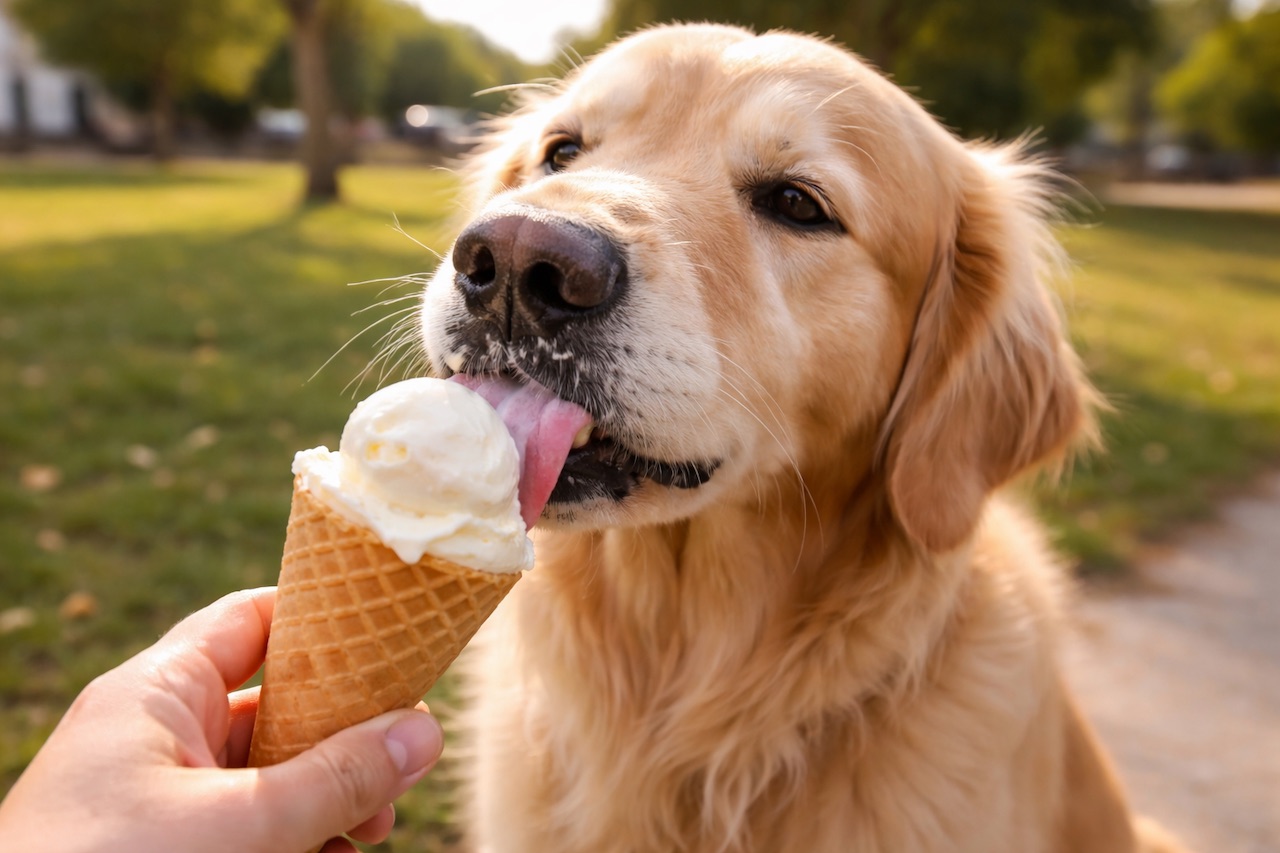
This article provides a detailed, evidence-based look at whether dogs can have vanilla ice cream without health risks. We will explore how dogs digest dairy, which ingredients are problematic, when ice cream becomes dangerous, and what pet-safe alternatives exist. By the end, you’ll know exactly when vanilla ice cream is a harmless indulgence and when it should be avoided entirely.
What Is Vanilla Ice Cream Made Of?
To understand whether vanilla ice cream is safe for dogs, we must first examine its ingredients. While recipes vary, most commercial vanilla ice creams contain the following components:
- Milk or cream
- Sugar
- Vanilla extract or flavoring
- Egg yolks (in some recipes)
- Stabilizers and emulsifiers
Each of these ingredients affects dogs differently. While none are inherently toxic in small amounts, several can cause digestive upset or long-term health issues, especially when consumed regularly.
Can Dogs Digest Dairy Products?
Most adult dogs are lactose intolerant to some degree. Lactose is a natural sugar found in milk and dairy products. Puppies produce an enzyme called lactase, which helps digest lactose while they nurse. However, as dogs grow older, lactase production decreases significantly.
When lactose-intolerant dogs consume dairy products like ice cream, undigested lactose ferments in the gut. This can lead to:
- Gas and bloating
- Diarrhea
- Stomach cramps
- Nausea or vomiting
Some dogs tolerate small amounts of dairy without visible symptoms, while others react strongly to even a few spoonfuls. Individual tolerance varies widely.
Is Vanilla Flavor Safe for Dogs?
Pure vanilla flavor itself is not toxic to dogs. However, many vanilla extracts contain alcohol, which is dangerous for pets. Even small amounts of alcohol can cause symptoms such as lethargy, vomiting, disorientation, and in severe cases, respiratory depression.
Commercial ice creams typically use artificial vanilla flavoring rather than pure extract, reducing alcohol exposure. Still, artificial additives may cause sensitivities in some dogs.
Homemade vanilla ice cream made with alcohol-free vanilla or vanilla bean is generally safer than store-bought varieties.

The Problem With Sugar in Ice Cream
Sugar is one of the biggest concerns when feeding dogs ice cream. Dogs do not require added sugars in their diet, and excessive sugar consumption can lead to both short-term and long-term health problems.
Potential sugar-related issues include:
- Weight gain and obesity
- Dental disease
- Blood sugar spikes
- Increased risk of diabetes
Even a single serving of vanilla ice cream can contain more sugar than a dog should consume in an entire day. This makes ice cream an unsuitable regular treat.
Artificial Sweeteners: A Hidden Danger
Some low-fat or “sugar-free” vanilla ice creams contain artificial sweeteners such as xylitol. Xylitol is extremely toxic to dogs and can cause rapid insulin release, leading to hypoglycemia, seizures, liver failure, and even death.
Never allow your dog to eat ice cream labeled as:
- Sugar-free
- No added sugar
- Low-carb or keto-friendly
Always check the ingredient list carefully before sharing any human food with your dog.
Fat Content and Pancreatitis Risk
Vanilla ice cream is high in fat, especially premium varieties made with heavy cream. High-fat foods can trigger pancreatitis in dogs, a painful and potentially life-threatening condition.
Symptoms of pancreatitis include:
- Severe vomiting
- Abdominal pain
- Loss of appetite
- Lethargy
Dogs with a history of pancreatitis, obesity, or gastrointestinal disorders should never be given ice cream.
Can Dogs Eat Vanilla Ice Cream Occasionally?
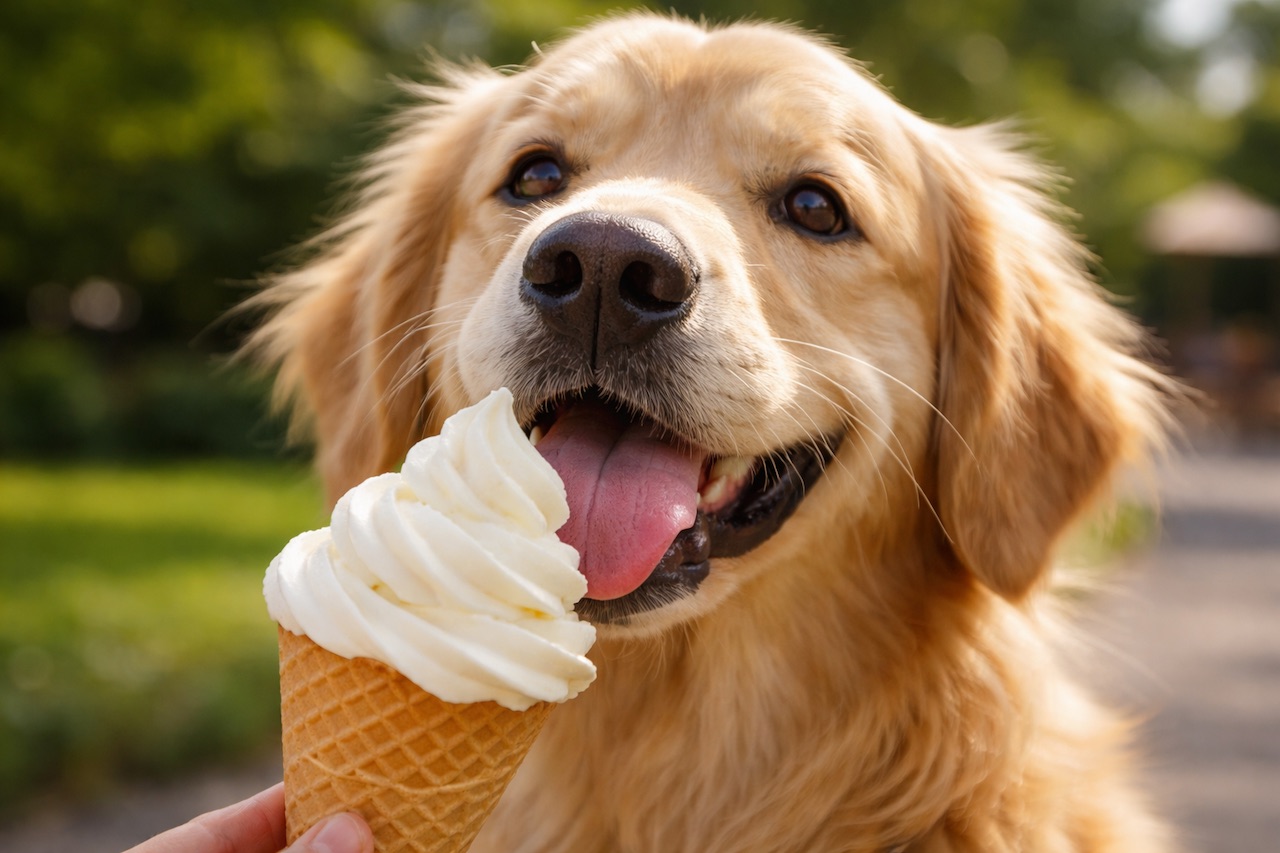
In small quantities, plain vanilla ice cream is not toxic to most dogs. A lick or teaspoon-sized portion on rare occasions is unlikely to cause harm in healthy dogs without dairy sensitivities.
However, “safe” does not mean “healthy.” Ice cream offers no nutritional benefits for dogs and carries multiple risks when fed regularly.
Veterinarians generally recommend treating vanilla ice cream as an occasional indulgence rather than a treat.
Signs Your Dog Should Not Eat Ice Cream
Some dogs should never eat vanilla ice cream under any circumstances. Avoid ice cream if your dog:
- Is lactose intolerant
- Has diabetes
- Is overweight or obese
- Has pancreatitis or digestive disorders
- Is a puppy or senior dog
Puppies and senior dogs have more sensitive digestive systems and are more likely to experience adverse effects.
Safer Alternatives to Vanilla Ice Cream for Dogs
If you want to cool your dog down or offer a special treat, there are much safer options than vanilla ice cream.
- Frozen plain yogurt (lactose-free)
- Frozen banana slices
- Dog-safe frozen treats
- Ice cubes made with diluted bone broth
These alternatives provide enjoyment without the risks associated with sugar and dairy.
Homemade Dog-Friendly Ice Cream Recipe
Making your own dog-safe ice cream allows you to control the ingredients.
- 1 cup lactose-free plain yogurt
- 1 mashed ripe banana
- Optional: small amount of peanut butter (xylitol-free)
Mix ingredients, freeze in silicone molds, and serve in small portions.
Nutritional Comparison: Ice Cream vs Dog-Safe Treats
| Factor | Vanilla Ice Cream | Dog-Safe Frozen Treat |
|---|---|---|
| Sugar Content | High | Low or none |
| Lactose | Present | Absent |
| Digestibility | Poor | High |
| Health Risk | Moderate to High | Low |
How Much Is Too Much?
If you choose to let your dog try vanilla ice cream, limit the portion to:
- Small dogs: a few licks
- Medium dogs: 1 teaspoon
- Large dogs: up to 1 tablespoon
This should happen no more than once every few months.
What Veterinarians Say About Ice Cream for Dogs
Most veterinarians agree that vanilla ice cream is unnecessary and potentially harmful for dogs. While it may not be immediately dangerous, the cumulative effects of sugar, fat, and lactose outweigh any enjoyment your dog gets from the treat.
Pet nutrition experts recommend choosing treats specifically designed for dogs whenever possible.
FAQ: Vanilla Ice Cream and Dogs
Can dogs eat vanilla ice cream safely?
Small amounts of plain vanilla ice cream are not toxic, but they are not recommended due to lactose, sugar, and fat content.
Is vanilla ice cream better than chocolate ice cream for dogs?
Yes. Chocolate is toxic to dogs, while vanilla is not, but vanilla ice cream still carries health risks.
What happens if my dog eats too much ice cream?
Excessive ice cream can cause diarrhea, vomiting, bloating, and in severe cases, pancreatitis.
Can puppies eat vanilla ice cream?
No. Puppies have sensitive digestive systems and should not eat ice cream.
Is lactose-free ice cream safe for dogs?
Lactose-free ice cream is safer but still contains sugar and fat, so it should be avoided or given rarely.
Final Verdict: Should Dogs Eat Vanilla Ice Cream?
Vanilla ice cream is not toxic to dogs, but it is far from ideal. While an occasional lick may not cause harm, regular consumption can lead to digestive upset, weight gain, and serious health problems. Dogs do not need ice cream to be happy or healthy.
For responsible pet owners, the best choice is to avoid vanilla ice cream altogether and opt for dog-friendly frozen treats instead. Your dog will enjoy them just as much — without the risks.
Read also: AKC: Can Dogs Eat Ice Cream?
Author: XPETSI Editorial Team