Fresh cranberries are widely known for their health benefits in humans, especially for urinary tract health and immune support. Naturally, many dog owners wonder whether these bright red berries are safe for dogs as well. While cranberries are not toxic to dogs, they are not entirely risk-free either. Understanding how fresh cranberries affect a dog’s digestive system, teeth, and overall health is essential before offering them as a snack.

This article explores whether dogs can eat fresh cranberries without side effects, what benefits they may offer, potential risks, proper serving sizes, and which dogs should avoid them altogether. If you are considering adding cranberries to your dog’s diet, this guide will help you make an informed and safe decision.
Are Fresh Cranberries Safe for Dogs?
Yes, fresh cranberries are generally safe for dogs when fed in small amounts. They are not poisonous and do not contain compounds that are inherently toxic to canines. However, safety does not automatically mean suitability. Cranberries are extremely tart and acidic, which can be challenging for a dog’s digestive system if consumed in excess.
Most dogs will not naturally seek out fresh cranberries due to their sour taste. If a dog does eat them, it is usually because the berries are mixed into food or offered deliberately by an owner. When introduced slowly and served properly, fresh cranberries can be a safe occasional treat rather than a regular dietary staple.
Nutritional Benefits of Fresh Cranberries for Dogs
Fresh cranberries contain several nutrients that may support a dog’s overall health. Although dogs do not require fruit in their diet, these nutrients can provide minor supplemental benefits when cranberries are fed responsibly.
- Vitamin C: Supports immune function and helps combat oxidative stress.
- Vitamin E: Promotes healthy skin and coat.
- Dietary fiber: Aids digestion and supports gut health.
- Antioxidants: Help neutralize free radicals and support cellular health.
One of the most discussed benefits of cranberries is their potential role in supporting urinary tract health. Cranberries contain compounds that may help prevent bacteria from adhering to the bladder wall. While this effect is well-documented in humans, evidence in dogs is more limited. Cranberries should never replace veterinary treatment for urinary tract infections.

Potential Side Effects of Feeding Fresh Cranberries to Dogs
Despite their nutritional value, fresh cranberries can cause side effects in some dogs. The most common issues are related to digestion and stomach sensitivity.
Digestive upset is the primary concern. Due to their acidity and fiber content, cranberries may cause diarrhea, gas, or stomach discomfort if fed in large quantities. Dogs with sensitive stomachs are particularly prone to these reactions.
Tooth sensitivity is another potential issue. Cranberries are acidic, and frequent exposure may contribute to enamel wear over time. This is especially relevant for small breeds and dogs already prone to dental problems.
Risk of kidney stones is sometimes mentioned in relation to cranberries. Cranberries contain oxalates, which may contribute to stone formation in dogs predisposed to calcium oxalate stones. For these dogs, cranberries should be avoided unless approved by a veterinarian.
Can Dogs Eat Cranberries With Seeds and Skins?
Cranberries contain small seeds and a firm outer skin, and in most cases these parts are not toxic to dogs. However, they can be harder to digest, especially for small breeds or dogs with sensitive stomachs. Whole raw cranberries with skins and seeds may pass through the digestive system without problems, but they can sometimes cause mild stomach upset.
The main concern with seeds and skins is digestive irritation. Cranberry skins are tough and fibrous, which may lead to gas, diarrhea, or vomiting if a dog eats too many. Seeds are tiny, so they are not a choking hazard, but when combined with the skin, they can still be uncomfortable for dogs that are not used to eating high-fiber fruits.
To reduce risks, it is best to offer cranberries in a chopped, mashed, or cooked form, especially when feeding them for the first time. Removing or softening the skins makes them easier to digest. Cranberries should always be given as an occasional treat in small amounts, and dogs with a history of digestive issues should avoid eating whole cranberries with skins and seeds.
How Much Fresh Cranberry Can a Dog Eat?
Moderation is key when feeding fresh cranberries to dogs. Cranberries should be considered a treat, not a dietary component.
| Dog Size | Recommended Amount | Frequency |
|---|---|---|
| Small dogs | 1–2 cranberries (chopped) | Occasionally |
| Medium dogs | 2–4 cranberries | 1–2 times per week |
| Large dogs | 4–6 cranberries | 1–2 times per week |
Always introduce cranberries gradually and observe your dog for any signs of digestive discomfort. If symptoms occur, discontinue feeding immediately.
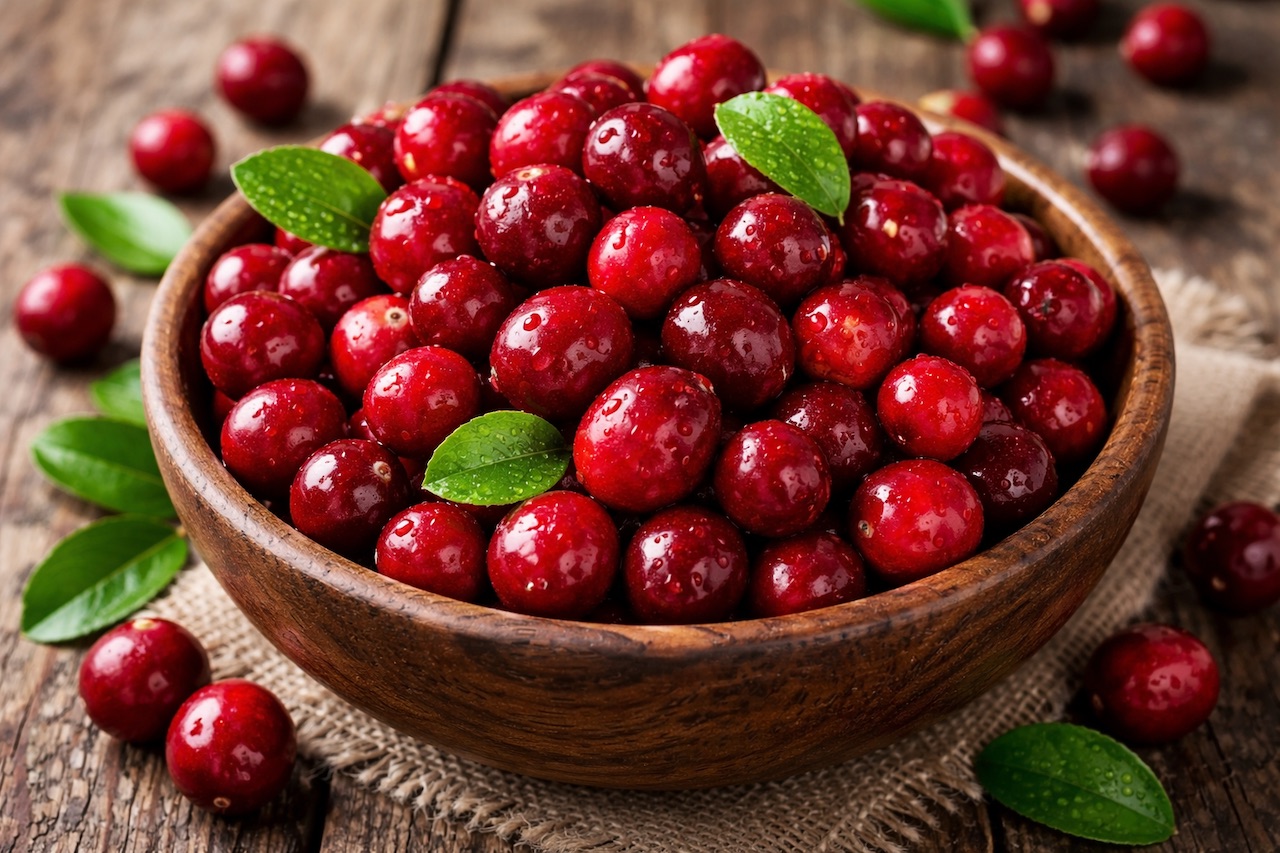
Fresh vs Dried Cranberries: Which Is Better?
Fresh cranberries are generally safer than dried cranberries. Many dried cranberry products contain added sugar, preservatives, or artificial sweeteners. Some may even include ingredients that are harmful to dogs.
Fresh cranberries contain no added sugar and allow full control over portion size. If dried cranberries are used, they must be completely unsweetened and free from additives. Even then, fresh cranberries are the preferred option.
Can Puppies Eat Fresh Cranberries?
Puppies have more sensitive digestive systems than adult dogs. While fresh cranberries are not toxic to puppies, they are generally not recommended. The acidity and fiber content may cause diarrhea or stomach upset during critical growth stages.
If a puppy consumes a small amount accidentally, it is unlikely to be dangerous. However, cranberries should not be intentionally included in a puppy’s diet unless advised by a veterinarian.
Are Fresh Cranberries Good for Senior Dogs?
Senior dogs may benefit from the antioxidant properties of cranberries, but caution is required. Older dogs often have reduced kidney function and more sensitive digestion.
For seniors with no history of kidney stones or gastrointestinal issues, very small amounts of fresh cranberries may be tolerated. However, dogs with kidney disease, urinary issues, or dental problems should avoid cranberries altogether.
How to Safely Serve Fresh Cranberries to Dogs
- Wash cranberries thoroughly to remove pesticides.
- Chop berries to reduce choking risk.
- Serve plain, without sugar or seasoning.
- Mix with regular food rather than offering alone.
Never feed cranberry sauce, canned cranberries, or cranberry products designed for humans, as these often contain sugar, alcohol, or artificial sweeteners.
Can Dogs Eat Cranberries Mixed With Other Fruits?
Dogs can eat cranberries mixed with other fruits in some cases, but only if the combination is carefully chosen. Cranberries themselves are safe in small amounts, yet many fruits commonly mixed with them (such as grapes, raisins, or citrus fruits) can be dangerous for dogs. Before offering any fruit mix, it’s essential to ensure that every ingredient is dog-safe and served in moderation.
Safe fruit combinations with cranberries include apples (without seeds), blueberries, strawberries, pears, and bananas. These fruits provide fiber, antioxidants, and vitamins that can support digestion and overall health. However, mixing too many fruits at once can increase sugar intake, which may lead to stomach upset, diarrhea, or weight gain, especially in small or senior dogs.
Fruit mixes containing cranberries should always be fresh, plain, and free from added sugar, artificial sweeteners, or preservatives. Avoid dried fruit blends, trail mixes, or canned fruit cocktails, as they often contain raisins or sweeteners like xylitol, which are toxic to dogs. When introducing any mixed fruit treat, start with a very small portion and monitor your dog for signs of digestive discomfort or allergies.
Can Dogs Drink Cranberry Juice Safely?
Cranberry juice may seem like a healthy drink, but it is not an ideal option for dogs. While cranberries themselves are generally safe in small amounts, most cranberry juices sold in stores contain added sugars, artificial sweeteners, preservatives, or flavorings. These additives can upset a dog’s stomach and may lead to diarrhea, vomiting, or bloating, even if the juice is labeled as “natural.”
Another concern is acidity. Cranberry juice is quite acidic, and dogs have more sensitive digestive systems than humans. Drinking cranberry juice can irritate the stomach lining, especially in small dogs, puppies, or dogs with existing digestive issues. In some cases, regular consumption may even worsen conditions like acid reflux or contribute to urinary imbalances.
If cranberry juice is ever given to a dog, it should be extremely diluted, unsweetened, and offered only in very small amounts as an occasional treat—not a regular drink. However, plain water is always the safest and best hydration choice. For potential health benefits, such as urinary tract support, whole fresh cranberries or veterinarian-approved supplements are a much safer alternative than cranberry juice.
When Should Dogs Avoid Fresh Cranberries?
Dogs with the following conditions should not eat cranberries unless a veterinarian approves:
- History of kidney stones
- Chronic digestive sensitivity
- Diabetes (due to potential blood sugar impact)
- Dental disease
FAQ: Fresh Cranberries and Dogs
Can dogs eat fresh cranberries every day?
No. Fresh cranberries should only be fed occasionally and not as a daily treat.
Are cranberries toxic to dogs?
No, cranberries are not toxic, but overconsumption can cause digestive issues.
Can cranberries help prevent UTIs in dogs?
Cranberries may support urinary health but should not replace veterinary treatment.
What should I do if my dog eats too many cranberries?
Monitor for diarrhea or vomiting and contact a veterinarian if symptoms persist.
Are frozen cranberries safe for dogs?
Yes, if served plain and in small amounts, but they should be chopped to prevent choking.
Final Verdict: Should Dogs Eat Fresh Cranberries?
Fresh cranberries can be a safe and healthy occasional treat for dogs when served properly and in moderation. They offer antioxidants and fiber but also carry risks related to acidity and digestion. Cranberries should never be a regular part of a dog’s diet and are best reserved for adult dogs without underlying health conditions.
When in doubt, consult your veterinarian before introducing any new food. Responsible feeding ensures that treats remain beneficial rather than harmful.
Author: XPETSI Editorial Team