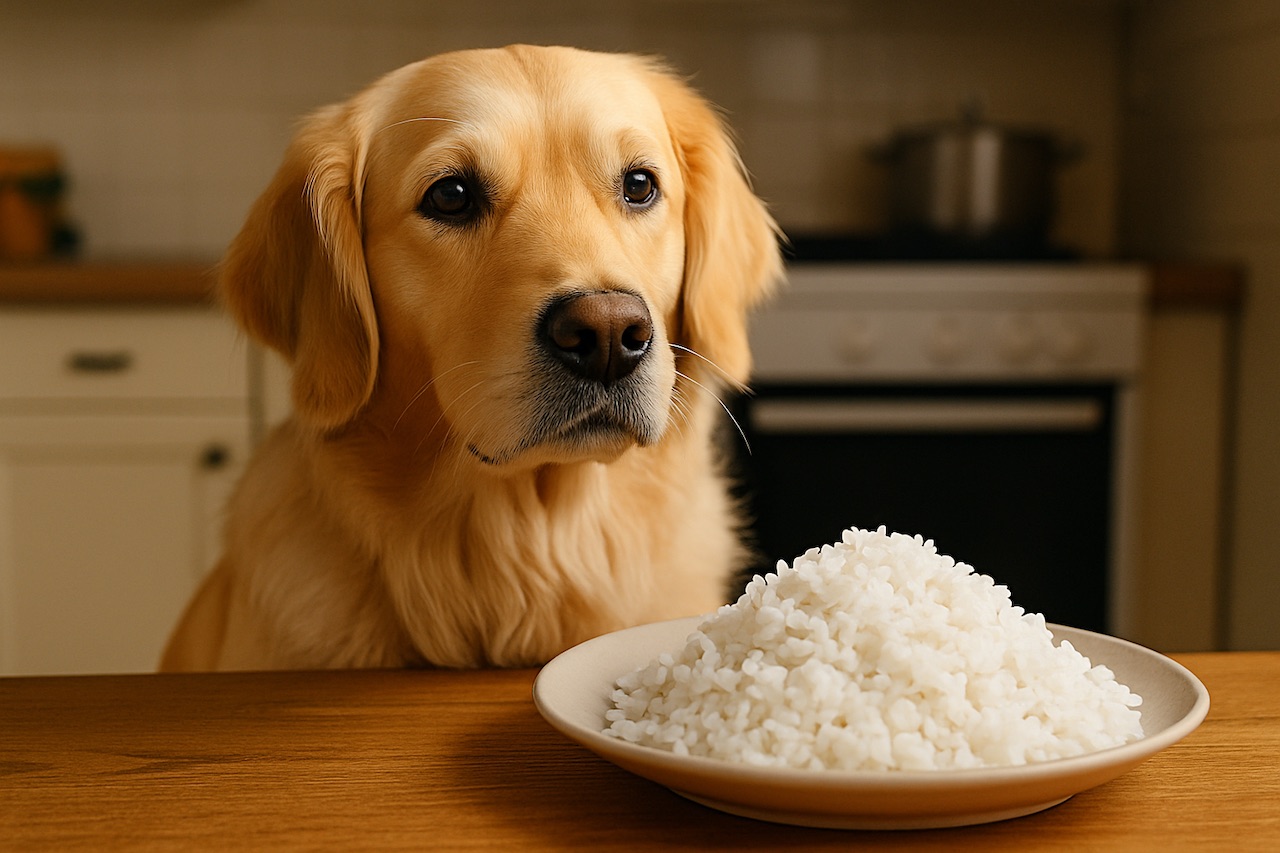
Cooked rice is one of the most commonly recommended human foods for dogs, especially when they have digestive issues. Many dog owners wonder whether rice is truly safe, how much is appropriate, and whether it should be a regular part of a dog’s diet. The short answer is yes, dogs can eat cooked rice safely, but only when it is prepared and served correctly.
Is Cooked Rice Safe for Dogs
Plain cooked rice is generally safe for dogs of all sizes and breeds. Veterinarians often suggest white rice as part of a bland diet for dogs experiencing diarrhea, stomach upset, or temporary digestive sensitivity. Rice is easy to digest, low in fat, and unlikely to irritate the stomach when prepared properly.
However, safety depends on the type of rice, how it is cooked, and how often it is fed. Rice should never contain added salt, butter, oil, garlic, onions, or seasonings, as these ingredients can be harmful to dogs.
White Rice vs Brown Rice for Dogs
Both white and brown rice can be eaten by dogs, but they affect digestion differently.
White rice is more refined and has less fiber, making it easier for dogs to digest. This is why it is often recommended for dogs with sensitive stomachs or during recovery from illness.
Brown rice contains more fiber and nutrients, but it is harder to digest. Some dogs may experience gas or loose stools if they eat brown rice in large amounts.
Nutritional Benefits of Cooked Rice
While rice is not a complete food on its own, it does provide some nutritional benefits when fed in moderation.
Provides quick energy through carbohydrates
Easy to digest and gentle on the stomach
Low in fat and cholesterol
Helps firm stools during digestive upset
Rice should always be combined with a protein source, such as boiled chicken or turkey, to create a balanced meal.
Potential Risks of Feeding Rice to Dogs
Although rice is generally safe, feeding too much or feeding it incorrectly can cause problems.
Excessive rice can lead to weight gain due to high carbohydrate content
Too much rice may dilute essential nutrients if it replaces regular dog food
Some dogs may experience constipation or bloating
Flavored or seasoned rice can be toxic
Rice should be treated as a supplement or temporary food, not a permanent replacement for a complete dog diet.
Recommended Serving Size for Dogs
The amount of rice a dog can safely eat depends on its size and purpose.
| Dog Size | Recommended Cooked Rice Amount | Frequency |
|---|---|---|
| Small dogs | 1–2 tablespoons | Occasional |
| Medium dogs | 2–4 tablespoons | Occasional |
| Large dogs | 1/4 cup | Occasional |
Rice should make up no more than 10–20 percent of a dog’s meal unless recommended otherwise by a veterinarian.
When Rice Is Especially Helpful
Cooked rice is often used in specific situations where its bland nature is beneficial.
During diarrhea or stomach upset
After vomiting or digestive illness
As part of a temporary bland diet
For dogs recovering from surgery
In these cases, rice is typically combined with boiled, skinless chicken and gradually phased out once digestion improves.
Can Puppies Eat Cooked Rice
Puppies can eat cooked rice in small amounts, and it is generally considered safe when prepared properly. Plain white or brown rice, cooked fully in water without salt, spices, butter, or oil, is the best option. Rice is easy to digest and is often used by veterinarians as part of a bland diet for puppies with sensitive stomachs or temporary digestive issues.
Cooked rice can be helpful for puppies experiencing mild diarrhea or an upset stomach, as it helps firm stools and provides quick energy. White rice is usually preferred in these cases because it is gentler on the digestive system than brown rice, which contains more fiber. However, rice should only be a short-term addition and not a regular staple in a puppy’s daily diet.
Despite being safe, rice should never replace balanced puppy food. Puppies require specific nutrients such as protein, fats, calcium, and vitamins to support growth and development, and rice alone does not meet these needs. Feeding too much rice can lead to nutritional imbalances, reduced appetite for proper food, or unnecessary weight gain.
When introducing cooked rice to a puppy for the first time, it’s important to start with very small portions and monitor for any signs of digestive discomfort or allergies. If vomiting, diarrhea, or lethargy occurs, rice should be removed from the diet and a veterinarian consulted. As with any human food, moderation and proper preparation are key to keeping puppies healthy and safe.
Signs Your Dog May Not Tolerate Rice Well
Most dogs tolerate rice without issues, but some may show mild intolerance.
Gas or bloating
Constipation
Loose stools when fed in excess
Lack of interest in regular food
If symptoms persist, rice should be removed from the diet and a veterinarian should be consulted.
FAQ
Can dogs eat rice every day
Rice should not be fed daily unless recommended by a veterinarian. It lacks complete nutrition and can lead to imbalances if overused.
Is leftover rice safe for dogs
Only if it is plain and freshly cooked. Rice that contains seasonings, sauces, or has been stored too long should not be given.
Can rice help stop diarrhea in dogs
Yes, plain white rice is commonly used to help firm stools and soothe the digestive system.
Is rice better than pasta for dogs
Rice is generally easier to digest and contains fewer additives than pasta, making it a safer option.
Final Thoughts
Cooked rice is safe for dogs when served plain, in moderation, and as part of a balanced diet. It can be especially helpful during digestive upset or recovery, but it should never replace nutritionally complete dog food. When used correctly, rice can be a simple, gentle addition to support your dog’s health without unnecessary risks.
Author: XPETSI Editorial Team