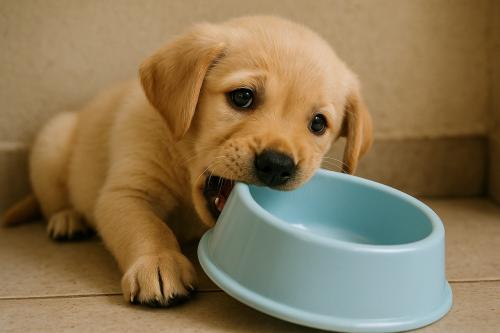
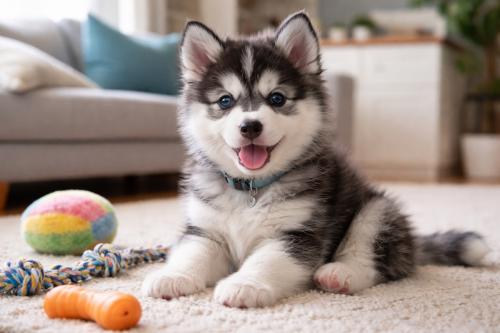
It can feel confusing and even hurtful when a puppy seems to bite only one person in the household. Many owners assume this behavior is random or personal, but in reality, it usually has clear behavioral, developmental, and environmental explanations. Puppies do not bite out of spite — their actions are driven by instinct, learning, and communication.
Understanding why a puppy targets one person more than others is important for preventing future behavioral problems and maintaining a healthy bond. In most cases, the issue is temporary and can be corrected with consistent handling, proper training, and awareness of puppy psychology.
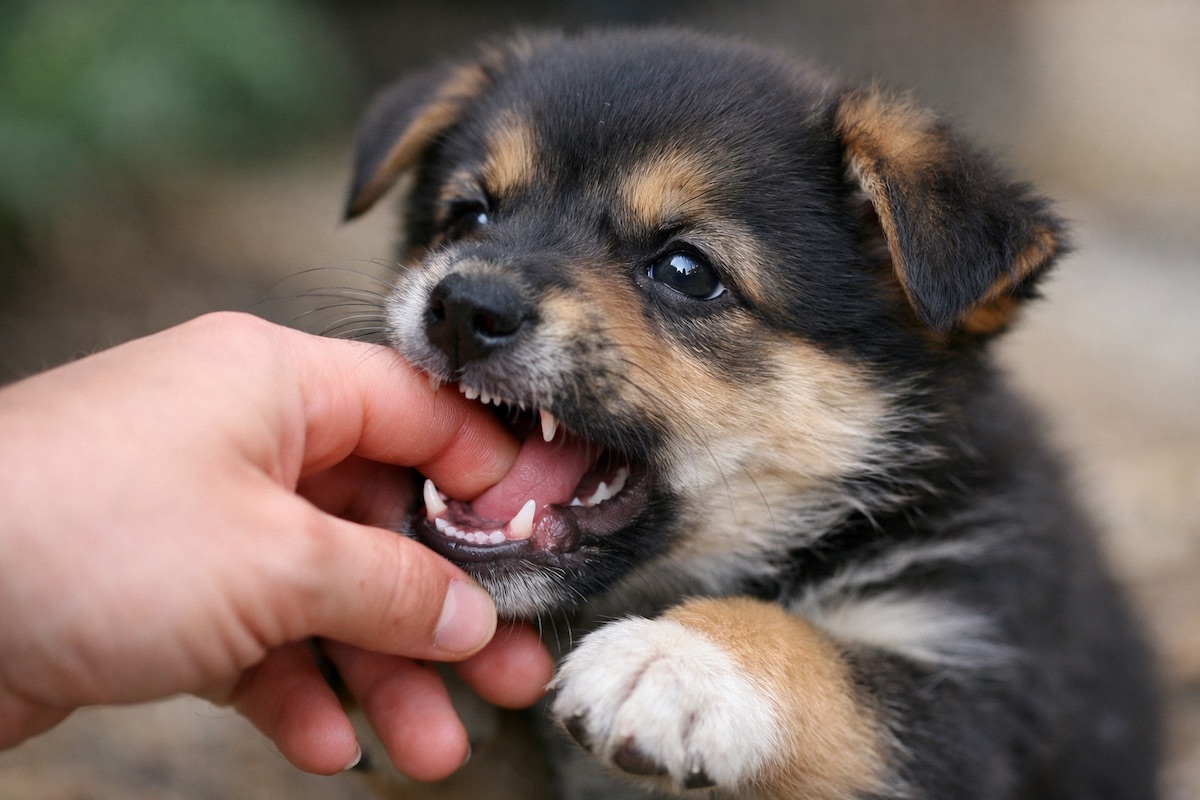
Puppy Biting Is a Normal Developmental Phase
All puppies bite. Mouthing and nipping are natural behaviors that begin early in life. Puppies explore the world with their mouths, just as human babies do. During the teething stage, biting also helps relieve gum discomfort.
Between 3 and 6 months of age, puppies are especially prone to biting. At this stage, they are still learning bite inhibition — the ability to control how hard they bite. Littermates and mother dogs normally teach this skill, but when puppies move into human homes, people often become the primary teachers.
If biting seems focused on one person, it does not mean the puppy is aggressive. It usually means that this person interacts with the puppy in a way that encourages or allows the behavior to continue.
Why Puppies Single Out One Person
That Person Plays More Roughly
Puppies quickly learn which behaviors lead to exciting reactions. If one person engages in rough play, wrestling, or uses hands as toys, the puppy may associate that person with biting opportunities.
Fast movements, squealing, pulling hands away quickly, or laughing can all make biting more rewarding for a puppy. Over time, the puppy learns that this specific person is the most fun target.
Inconsistent Boundaries
Puppies thrive on consistency. If one person allows nipping while another discourages it, the puppy will naturally focus on the person with weaker boundaries.
For example, if a puppy is allowed to mouth hands during play with one family member but is corrected by others, the puppy will repeat the behavior where it is tolerated.
The Puppy Feels Most Comfortable With That Person
Ironically, puppies often bite the person they trust the most. A strong emotional bond can lead to increased playfulness and excitement, which in turn increases mouthing behavior.
This is especially common when the targeted person is the primary caregiver who feeds, walks, and plays with the puppy most often.
Overstimulation and Lack of Self-Control
Puppies have limited impulse control. When they become overstimulated — through play, attention, or environmental excitement — biting can happen unintentionally.
If one person interacts with the puppy during high-energy moments, such as after walks or during zoomies, the puppy may struggle to regulate excitement and resort to biting.
Signs of overstimulation include:
- Zooming around the room
- Growling during play
- Ignoring cues or commands
- Repeated nipping despite redirection
Fear, Anxiety, or Lack of Confidence
In some cases, biting is linked to emotional discomfort. If a puppy feels nervous or unsure around one person, it may use biting as a defensive response.
This can happen if:
- The person moves suddenly or loudly
- The puppy was accidentally frightened before
- Handling is too firm or unpredictable
Puppies may not growl or show obvious warning signs. Instead, they may jump straight to nipping when they feel overwhelmed.
Teething Pain and Sensory Preferences
During teething, puppies seek relief by chewing and biting. Certain textures, scents, or materials can attract more attention.
A puppy may prefer biting one person because:
- They wear loose clothing or soft fabrics
- Their hands smell like food or treats
- Their skin feels different (lotions, sweat, soap)
While this may seem trivial, puppies are extremely sensitive to sensory cues.
How to Stop a Puppy From Biting One Person
Standardize Rules for Everyone
All household members should follow the same rules. Hands should never be used as toys, and biting should never be encouraged, even playfully.
Redirect to Appropriate Chew Toys
Always have chew toys available. When the puppy starts biting, calmly redirect their mouth to a toy instead of reacting emotionally.
Use Calm, Consistent Responses
High-pitched yelling, pushing the puppy away, or dramatic reactions can increase excitement. A calm, firm response is more effective.
Provide Adequate Mental and Physical Stimulation
Many biting issues improve dramatically when puppies receive enough exercise, training, and enrichment.
Short training sessions, puzzle toys, and structured play can reduce excess energy that fuels biting.
When to Be Concerned
Puppy biting is usually harmless and temporary. However, professional help may be needed if:
- Biting becomes more intense over time
- The puppy shows signs of fear or aggression
- Bites break skin regularly
- The puppy guards resources or reacts defensively
A certified dog trainer or veterinarian can help identify underlying issues and provide guidance tailored to your puppy.
FAQ: Why Puppies Bite Only One Person
Is it normal for a puppy to bite only one person?
Yes, this behavior is quite common. Puppies often single out one person due to differences in reactions, tone of voice, body language, or how that person plays with or handles the puppy. It does not usually indicate aggression.
Why does my puppy bite me but not other family members?
Puppies may bite the person they feel most comfortable with or the one who gives the most attention. If you engage more in play, allow mouthing, or react strongly, the puppy may see you as a “safe target.”
Can biting one person be a sign of dominance?
No, this behavior is rarely about dominance. In puppies, biting is usually related to play, teething, overstimulation, or learned behavior rather than attempts to assert control.
Does my puppy dislike the person they bite?
Not necessarily. In many cases, the opposite is true. Puppies often bite the person they trust most or feel most bonded to, especially during play or excitement.
Why does my puppy bite one person more during play?
If one person encourages rough play, uses hands instead of toys, or allows biting to continue, the puppy may associate that individual with playful biting and repeat the behavior.
Can scent or clothing trigger puppy biting?
Yes. Puppies are very sensitive to smells and movement. Loose clothing, dangling sleeves, shoes, or unfamiliar scents can trigger playful biting, especially toward one specific person.
Is teething a reason puppies focus biting on one person?
Teething can increase biting overall, but puppies may target the person who interacts with them most during uncomfortable teething phases.
Should I punish my puppy for biting me?
No. Punishment can increase fear or confusion. Instead, calmly stop interaction, redirect the puppy to a toy, and consistently reward gentle behavior.
How can I stop my puppy from biting only me?
Use consistent training: avoid hand play, redirect biting to toys, pause play when biting occurs, and reward calm behavior. All family members should follow the same rules.
Will this behavior go away as my puppy grows?
In most cases, yes. With proper training, socialization, and maturity, puppies usually outgrow selective biting behaviors as they learn appropriate ways to interact.
When should I be concerned about puppy biting?
If the biting becomes intense, breaks skin, shows signs of fear or guarding, or continues despite training, consult a professional trainer or veterinarian for guidance.
Final Thoughts
When a puppy bites only one person, it is rarely personal. The behavior is usually linked to play style, consistency, comfort level, or overstimulation.
With patience, clear boundaries, and unified training methods, most puppies outgrow selective biting naturally. Addressing the behavior early not only prevents future problems but also strengthens trust and communication between the puppy and everyone in the household.
Author: XPETSI Editorial Team