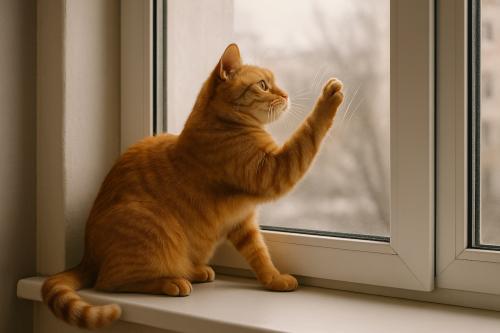
If your cat transforms into a vocal night owl just as you’re trying to sleep, you’re not alone. Many cats become more talkative, restless or demanding during nighttime hours. While nighttime meowing can be frustrating, it is usually rooted in normal feline instincts or unmet needs — not bad behavior.
This guide explains the real reasons cats meow at night, what each behavior means, and how to gently stop nighttime vocalization without causing stress or damaging your bond with your cat.
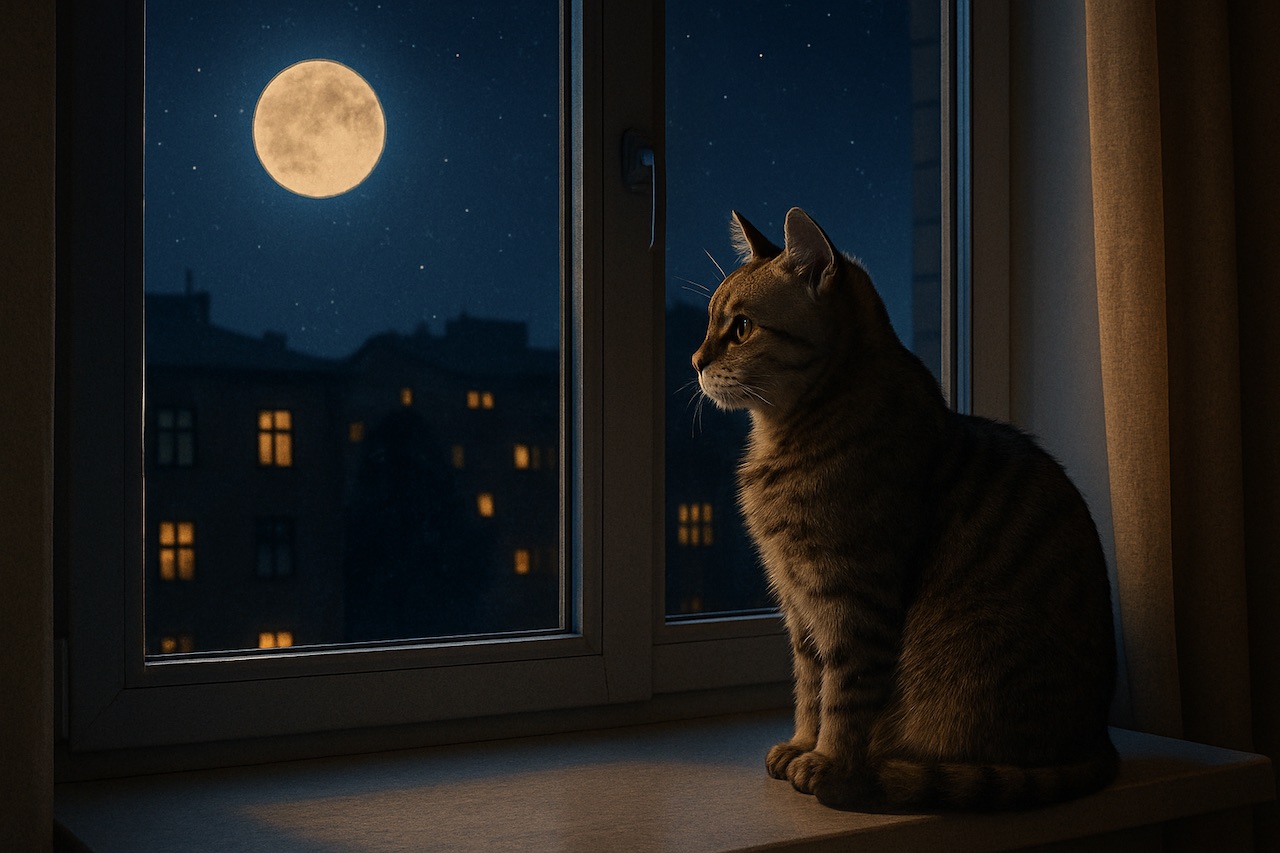
Why Cats Meow More at Night
Cats are crepuscular, meaning they are naturally most active at dawn and dusk. However, modern indoor life, routines, boredom and human schedules can amplify their nighttime behavior.
Here are the most common reasons your cat meows only at night:
1. Natural Feline Instincts
Wild cats hunt during early morning and late evening, and these instincts remain strong in domestic cats. Nighttime meowing can be a leftover echo of those natural hunting rhythms.
Your cat may be:
scanning the home for movement
seeking attention or playtime
expressing natural energy peaks
2. Boredom and Lack of Stimulation
Indoor cats often nap throughout the day, saving energy — and mischief — for nighttime. If they don’t get enough stimulation, they may look for entertainment while you sleep.
Common signs include:
pawing doors
wandering the house
meowing for play or attention
zoomies at 2–3 AM
3. Hunger or Feeding Schedule Issues
If your cat’s last meal is too early, they may wake you around dawn for food. Hunger meows are often repetitive, loud and persistent.
Other signs:
hovering near food bowls
pacing in the kitchen
meowing as soon as you move in bed
4. Separation Anxiety
Some cats feel anxious when their humans disappear into a bedroom and close the door. They may meow, scratch or cry outside the door seeking reassurance.
This is more common in:
rescue cats
cats bonded strongly with one human
kittens
5. Age-Related Cognitive Changes
Senior cats may meow at night due to confusion, disorientation or cognitive decline (similar to dementia in humans).
Signs include:
wandering aimlessly
meowing at walls
difficulty settling down
6. Medical Issues
Nighttime vocalization may indicate discomfort or illness. Pain often becomes more noticeable when the house is quiet.
Potential medical causes:
hyperthyroidism
hypertension
arthritis pain
urinary issues
sight or hearing changes
If the meowing is new or unusual, always talk to your veterinarian.
7. Territorial Behavior
Cats may vocalize if they sense another pet outside — another cat, dog or raccoon. Night is when most outdoor animals roam, triggering boundary protection instincts.
8. Desire for Attention
If a cat learns that meowing wakes you — and earns attention — it becomes a reliable strategy.
Attention at 3 AM is still attention.
How to Stop Nighttime Meowing
The key to solving this issue is identifying the underlying cause. Here’s how to address the most common triggers.
1. Add More Daytime Play
Schedule two or three play sessions with wand toys, chase toys or interactive games to help your cat burn energy before bedtime.
2. Offer Evening Feeding
Give a larger meal right before bed or use an automatic feeder to deliver an early-morning portion.
3. Create a Rich Environment
Add scratching posts, window perches, puzzle feeders and rotating toys to reduce boredom.
4. Keep Doors Open When Possible
If your cat gets anxious, try allowing access to your bedroom or placing a cozy bed near your door.
5. Use Night Lights for Older Cats
Soft lighting helps senior cats navigate the home better and reduces confusion.
6. Ignore Attention-Seeking Meows
This can be difficult, but rewarding meowing teaches your cat that nighttime noise works.
7. Rule Out Medical Problems
If meowing is sudden, persistent or accompanied by other symptoms, seek veterinary guidance.
Common Reasons Cats Meow at Night
| Cause | Signs | How to Fix It |
|---|---|---|
| Boredom | Restlessness, zoomies | Increase playtime and enrichment |
| Hunger | Meowing in kitchen, pacing | Feed later or use auto feeder |
| Anxiety | Crying at closed doors | Give comfort, keep doors open |
| Medical issues | Pain, agitation, confusion | Vet exam recommended |
| Territorial triggers | Meowing at windows | Block outside view at night |
When Nighttime Meowing Becomes a Problem
Occasional night vocalization is normal. But consistent, escalating or distressing meows may signal a deeper issue.
Red flags include:
meowing loudly for several nights in a row
crying paired with pacing or disorientation
changes in appetite, weight or litter box habits
aggression or withdrawal during the day
meowing that worsens with age
If any of these signs appear, a vet or feline behaviorist should be consulted.
Nighttime Triggers & What They Mean
| Nighttime Trigger | What It Means | How to Respond |
|---|---|---|
| Hunger or Empty Food Bowl | Your cat expects food at night or had an early dinner | Provide a small late-evening meal or use an automatic feeder |
| Loneliness or Separation Anxiety | Your cat wants attention, comfort or reassurance | Increase daytime bonding, add calming aids, avoid reinforcing nighttime meowing |
| Excess Energy | Your cat didn’t burn enough energy during the day | Schedule interactive play before bedtime to tire them out |
| Nocturnal Instincts | Cats are naturally more active at dawn and dusk | Shift the routine gradually, add enrichment and puzzle feeders |
| Seeking Attention | Cats learn that nighttime meows get a reaction | Ignore attention-driven meowing while reinforcing quiet behavior |
| Environmental Noises | Night sounds (cars, animals, pipes) disturb the cat | Use white noise, close blinds, restrict window access |
| Medical Issues | Pain, thyroid issues, hypertension, cognitive decline | Schedule a veterinary exam if meowing escalates or appears suddenly |
| Territorial Alerts | Your cat hears or smells another animal outside | Block window views, use motion lights outside, add calming pheromones |
| Disrupted Routine | Changes in feeding, sleeping, or household schedule | Re-establish a consistent daily rhythm |
| Aging-Related Restlessness | Older cats may experience nighttime confusion | Provide night lights, maintain structure, consult your vet |
FAQ About Cats Meowing Only at Night
Is it normal for cats to be more vocal at night?
Yes. Cats are crepuscular, meaning they are naturally most active during dawn and dusk. Nighttime meowing can be a leftover instinctual behavior related to hunting patterns, attention seeking, or higher energy levels.
Why does my cat meow at night if they are not hungry?
Cats may vocalize for many reasons besides hunger — boredom, loneliness, excess energy, stress, environmental noises, or a desire for attention. Some cats simply want interaction because the house is quiet.
Can nighttime meowing be a sign of illness?
Yes. Conditions like hyperthyroidism, cognitive dysfunction in senior cats, pain, or high blood pressure can cause excessive vocalization at night. If the behavior is new or unusually intense, a vet check is recommended.
Why does my cat meow outside my bedroom door?
Will adopting a second cat help reduce nighttime meowing?
Sometimes. A compatible companion can reduce boredom and loneliness. However, it may also increase activity and noise if the personalities don’t match. It's not a guaranteed solution and should be considered carefully.
Should I ignore my cat when they meow at night?
If you're certain the meowing isn't caused by pain, fear, or medical issues, ignoring can help prevent reinforcement. Giving attention (even negative) rewards the behavior. Combine ignoring with daytime enrichment for best results.
How can I stop my cat from meowing at night?
Increase daytime play, feed a final meal before bedtime, create a predictable routine, provide a warm sleeping spot, and reduce nighttime triggers like external sounds or bright lights. Puzzle feeders also help burn mental energy.
Do kittens meow more at night than adult cats?
Yes. Kittens often cry at night due to separation from their mother, lack of security, or extra energy. As they grow older, nighttime vocalization usually decreases with routine and bonding.
Is nighttime meowing more common in senior cats?
Yes. Senior cats may experience cognitive dysfunction, confusion, vision loss, or increased anxiety at night. They may meow to seek reassurance or because they’re disoriented. Gentle routines and vet support can help.
Can environmental changes increase nighttime meowing?
Absolutely. New pets, moving, new smells, loud noises, and schedule changes can make cats anxious. Nighttime is when stress becomes more noticeable because the world is quiet and distractions are fewer.
When Night Meowing Becomes a Problem
| Warning Sign | What It Suggests | Recommended Action |
|---|---|---|
| Meowing suddenly increases | Possible stress or hidden illness | Schedule vet check, monitor diet and routine |
| Meowing paired with pacing or confusion | Could be cognitive dysfunction (common in older cats) | Consult vet, add nightlights, stabilize routine |
| Vocalization seems painful or distressed | Potential medical issue (UTI, thyroid, dental pain) | Immediate veterinary evaluation |
| Meowing accompanied by nighttime aggression | High anxiety or overstimulation | Reduce evening play intensity, add calming diffusers |
| Meowing lasts several hours nonstop | Severe separation anxiety or unmet needs | Increase enrichment, provide comfort items, try timed feeders |
| Cat stops eating or using litter box | Medical or emotional crisis | Immediate vet visit + behavior assessment |
| Night meowing combined with weight loss | Hyperthyroidism or metabolic issues | Blood test recommended |
| Cat seems scared of the dark or shadows | Vision changes or anxiety | Use nightlights, check eye health |
| Cat becomes destructive at night | Boredom, hunting instinct, excess energy | Add late-evening play sessions + puzzle feeders |
| Behavior doesn’t improve after routine adjustments | Underlying chronic stress or health condition | Consult veterinarian or feline behavior specialist |
Nighttime meowing is common, normal and often driven by instinct rather than misbehavior. With the right routine, enrichment and gentle boundaries, most cats quickly adjust to quieter nights.
Understanding your cat’s needs is the first step toward peaceful evenings — and a better night’s rest for everyone in your home.
Author: XPETSI Editorial Team