Fish is a popular ingredient in many high-quality dog foods, and for good reason — it’s rich in protein, omega-3 fatty acids, and essential nutrients that support healthy development. But when it comes to puppies, owners often wonder whether fresh fish is safe, how much to feed, and which types should be avoided.
This detailed guide explains whether puppies can eat fish, which types are safe, how to prepare it correctly, what risks to watch for, and how fish can support healthy growth during early life stages.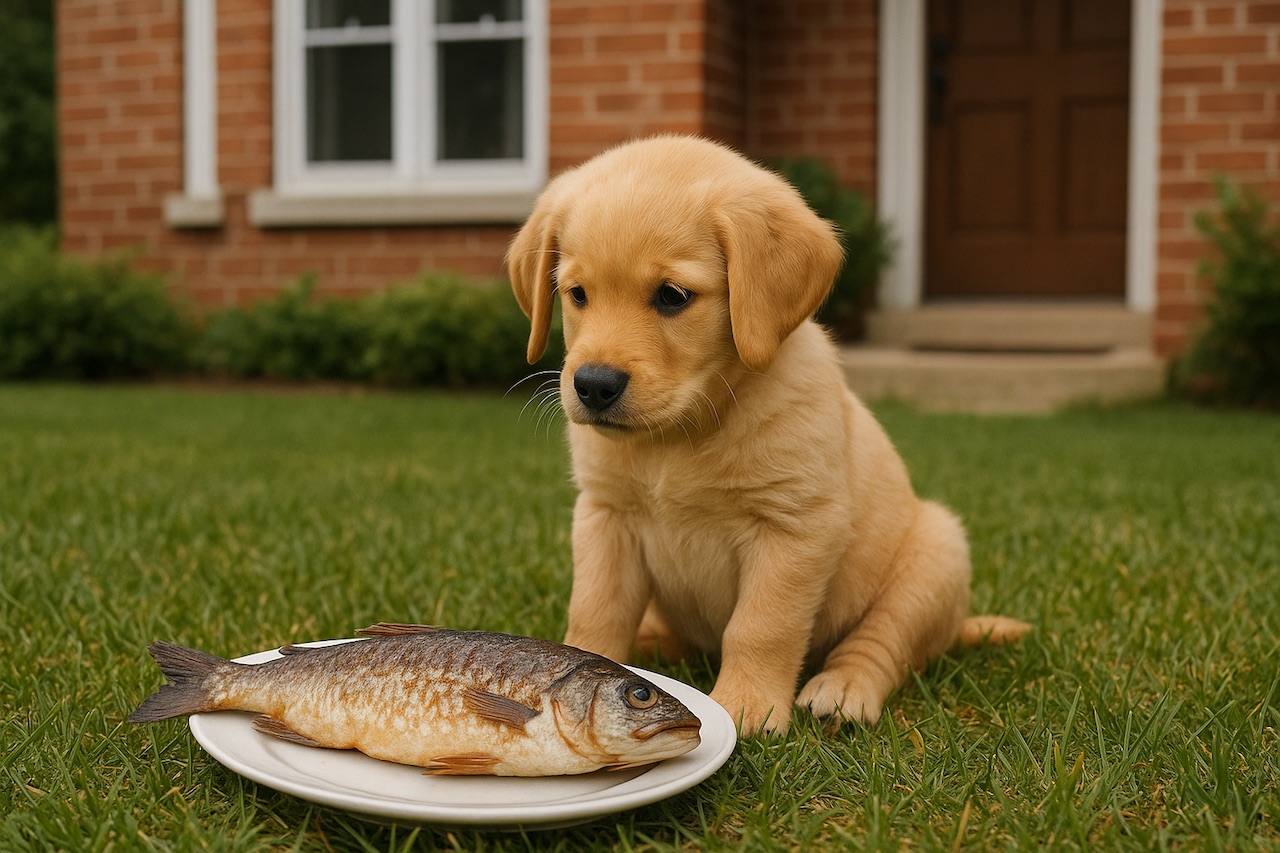
Can Puppies Eat Fish?
Yes, puppies can safely eat fish — as long as it’s cooked, boneless, and offered in moderation. Fish is an excellent source of lean protein and healthy fats that support brain development, skin health, and immune function.
However, puppies have more sensitive digestive systems than adult dogs, so choosing the right type of fish and preparing it safely is extremely important.
Benefits of Fish for Puppies
Fish offers several nutritional advantages for growing puppies:
High-quality protein — supports muscle development and growth.
Omega-3 fatty acids (DHA + EPA) — crucial for brain and eye development.
Low in saturated fat — easier on puppy stomachs.
Rich in vitamins B6, B12 and D — support metabolism and immunity.
Gentle on digestion — great for puppies with sensitive stomachs.
Skin and coat support — reduces dryness and itchiness.
When introduced carefully, fish can be a healthy addition to a puppy's diet.
How to Safely Feed Fish to Puppies
Because puppies are more vulnerable to foodborne bacteria and choking hazards, safe preparation is key. Follow these guidelines:
Always cook fish thoroughly. Raw fish can contain parasites and harmful bacteria.
Remove all bones. Fish bones can cause choking or internal injury.
Avoid frying or seasoning. Salt, butter, garlic and spices are unsafe for dogs.
Introduce slowly. Start with a teaspoon for small breeds, 1 tablespoon for medium, 2 tablespoons for large puppies.
Choose low-mercury species. Mercury can be dangerous for developing puppies.
Avoid canned fish with salt or oil. Use water-packed, no-salt-added options only.
Best Fish Types for Puppies
The safest fish are low in mercury, easy to digest, and have soft flesh.
Salmon (cooked) — highly nutritious and puppy-friendly.
Trout — gentle on digestion.
Cod — lean and mild in flavor.
Haddock — easy to digest.
Flounder — soft texture and low fat.
Tilapia — affordable, low in mercury.
Whitefish — common in puppy food formulas.
Pollock — safe and often used in kibble.
Cooked salmon and whitefish are the most commonly recommended by veterinarians.
Fish Types Puppies Should Avoid
Some fish species are too high in mercury or unsafe due to bones and parasites.
Tuna (especially albacore) — high mercury levels.
Mackerel (King mackerel) — unsafe for puppies.
Swordfish — very high mercury.
Shark — not suitable for dogs.
Smoked fish — too salty.
Raw fish — parasites and bacteria.
Fish with tiny bones — choking and injury risk.
Safe & Unsafe Fish for Puppies
| Fish Type | Safe? | Notes |
|---|---|---|
| Salmon (cooked) | ✔ Safe | Remove skin & bones; rich in omega-3 |
| Cod | ✔ Safe | Lean and easy to digest |
| Whitefish | ✔ Safe | Common in puppy formulas |
| Tilapia | ✔ Safe | Use fully cooked, no seasoning |
| Tuna | ✘ Unsafe | Too high in mercury for puppies |
| King Mackerel | ✘ Unsafe | High mercury, not recommended |
| Swordfish | ✘ Unsafe | Very high mercury levels |
| Smoked fish | ✘ Unsafe | High salt content |
| Raw fish | ✘ Unsafe | Parasites + bacteria |
How Much Fish Can Puppies Eat?
Because puppies need a balanced diet for proper growth, fish should only be a supplement — not the main meal.
General guideline:
Small breed puppies: 1–2 teaspoons per serving
Medium breed puppies: 1–2 tablespoons
Large breed puppies: 2–3 tablespoons
Feed fish only 1–2 times per week unless your veterinarian recommends otherwise.
Risks of Feeding Fish to Puppies
Even safe fish can cause issues if not prepared correctly.
Bone hazards — can cause choking or internal injury.
Allergic reactions — itching, vomiting or diarrhea.
Digestive upset — especially with oily fish.
Parasites — from raw or undercooked fish.
Mercury exposure — from tuna or large predatory fish.
If your puppy shows signs of discomfort after eating fish, stop immediately and consult your veterinarian.
Signs Your Puppy May Be Sensitive to Fish
Loose stools or diarrhea
Itchy skin or face rubbing
Vomiting
Red ears or paws
Bloating or gas
Some puppies need time to adjust, while others may require a different protein source.
Best Ways to Prepare Fish for Puppies
The safest cooking methods include:
Baking — no oil needed.
Boiling — gentle and safe.
Steaming — preserves nutrients.
Avoid frying, seasoning, butter, salt, garlic, or onions.
Safe Portions by Weight
| Puppy Weight | Safe Portion of Cooked Fish | How Often |
|---|---|---|
| 2–5 lbs (1–2.2 kg) | 1–2 teaspoons | 1–2 times per week |
| 6–10 lbs (2.7–4.5 kg) | 1–2 tablespoons | 1–2 times per week |
| 11–20 lbs (5–9 kg) | 2–3 tablespoons | 1–2 times per week |
| 21–30 lbs (9.5–13.5 kg) | ¼ cup | 1–2 times per week |
| 31–40 lbs (14–18 kg) | ⅓ cup | 1–2 times per week |
| 41–50 lbs (18.5–22.5 kg) | ½ cup | 1–2 times per week |
| 50+ lbs (23+ kg) | Up to ¾ cup | 1–2 times per week |
*Portions are for fully cooked, boneless, unseasoned fish (salmon, cod, tilapia, sardines). Reduce by 30–40% for very young puppies (8–12 weeks). Always introduce new foods gradually.
When Fish Becomes a Problem
| Warning Sign | What It Might Mean | What to Do |
|---|---|---|
| Vomiting or diarrhea | Sensitive stomach or intolerance to fish proteins | Stop feeding fish, offer bland food, contact your vet if symptoms last longer than 24 hours |
| Itching, hives or swelling | Possible fish allergy | Discontinue fish immediately and consult a veterinarian |
| Difficulty breathing | Severe allergic reaction | Seek emergency veterinary care right away |
| Constipation | Too much fish, not enough fiber in the diet | Reduce portion size and balance meals with puppy-appropriate fiber sources |
| Strange behavior or lethargy | Possible food poisoning or mercury sensitivity | Call your vet if your puppy becomes weak, disoriented or unusually tired |
| Fish bones found in stool or vomit | Your puppy swallowed small bones | Monitor closely; contact a vet if there’s pain, blood or straining |
| Strong fishy odor in breath or stool | Poor digestion or too much oily fish | Reduce serving frequency and choose milder fish varieties |
| Refusing food after trying fish | Your puppy dislikes the taste or texture | Switch back to familiar food and try a different protein source later |
FAQ About Puppies Eating Fish
Is fish safe for puppies to eat?
Yes, fish is generally safe for puppies as long as it is cooked, deboned and served plain. It provides protein, omega-3 fats and essential nutrients. Raw, seasoned or oily fish should be avoided for puppies under one year old.
Can puppies eat raw fish?
No. Raw fish may contain parasites and harmful bacteria that young puppies are especially sensitive to. Always cook fish thoroughly before serving it to a puppy.
What types of fish are safest for puppies?
The safest options are low-mercury, mild-flavored, easily digestible fish such as salmon, cod, tilapia, trout and whitefish. Avoid tuna, swordfish and other high-mercury species.
How much fish can a puppy eat?
Fish should make up no more than 10% of your puppy’s weekly diet. Small breeds should start with 1–2 small bites, while medium or large breeds can eat 1–2 tablespoons. Always introduce new foods slowly.
Can puppies eat canned fish?
Only if it is packed in water with no added salt or seasonings. Avoid canned fish in oil, brine, spicy sauces or anything with preservatives.
Are fish bones dangerous for puppies?
Yes. Fish bones can splinter, causing choking or internal injury. Always remove every bone before feeding fish to your puppy.
Can puppies be allergic to fish?
Yes, although it’s uncommon. Signs include itching, stomach upset, vomiting or loose stools. Stop feeding fish if any reaction appears.
Can puppies eat fried or seasoned fish?
No. Fried fish is too greasy, and seasonings like garlic, salt or spices can be harmful. Puppies should only eat fish that is baked, steamed or boiled without additives.
Is fish skin okay for puppies?
Cooked, unseasoned fish skin is usually safe in very small amounts, but it is high in fat and may not suit sensitive stomachs. Raw fish skin should never be fed.
How often can I feed fish to my puppy?
Once or twice a week is ideal. Fish is healthy but should not replace balanced puppy food, which contains important vitamins and minerals for growth.
Puppies can absolutely eat fish — and it can be an excellent addition to their diet when prepared correctly. Stick to low-mercury species like salmon, cod, whitefish, tilapia and Pollock. Always cook the fish thoroughly, remove all bones and start with small portions.
With the right precautions, fish can provide essential nutrients that support healthy growth, improve skin quality and boost brain development in young dogs.
If you ever feel unsure, consult your veterinarian about safe serving sizes and the best fish options for your puppy’s breed, size and health needs.
Author: XPETSI Editorial Team