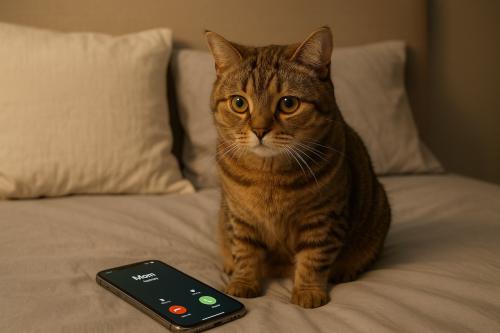
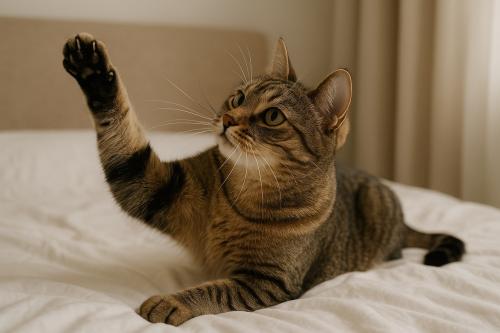
If your indoor cat seems hungry all the time, constantly begging for food, meowing at the bowl, or following you into the kitchen, you’re not alone. This is one of the most common concerns cat owners have—especially with indoor cats who appear healthy but act as if they are starving. In most cases, this behavior is not about actual hunger but about instincts, habits, environment, or learned behavior.
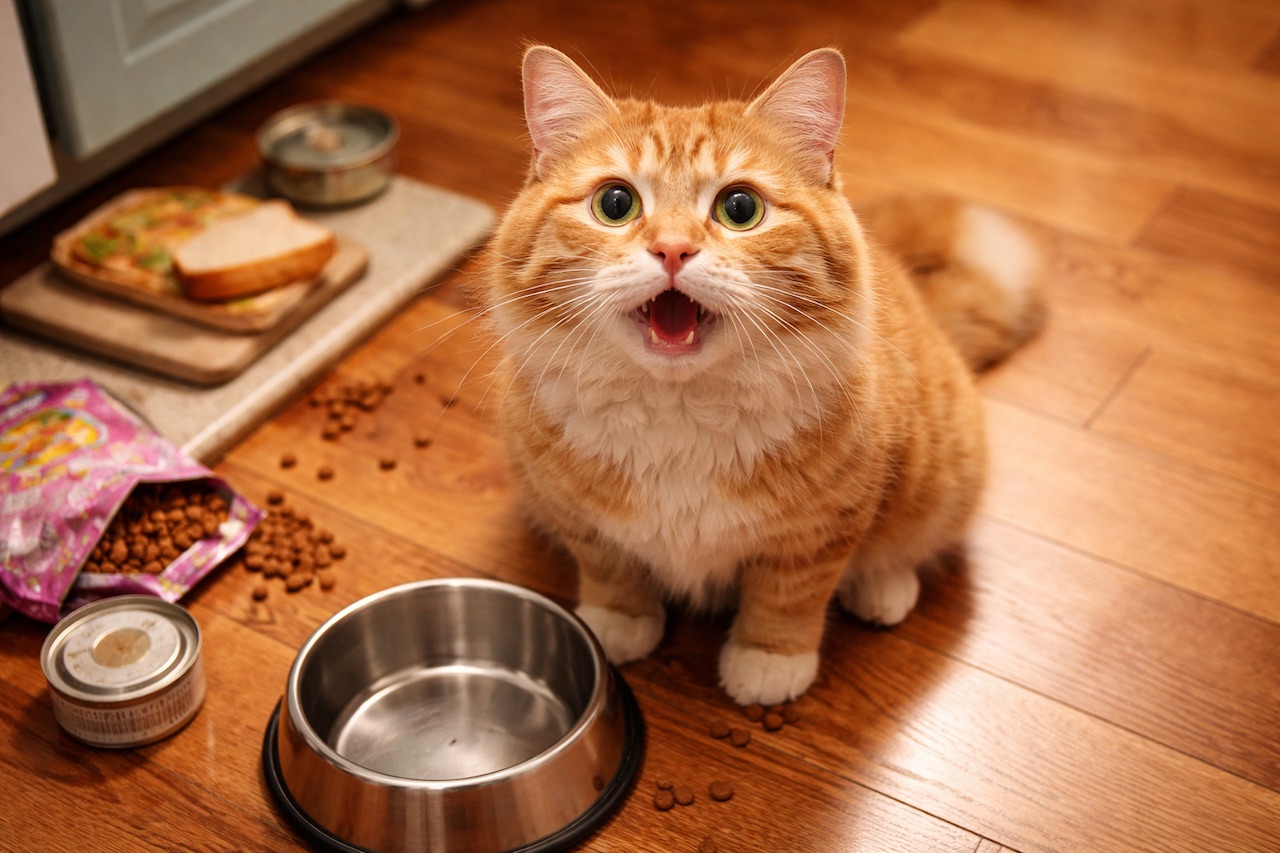
Understanding why your indoor cat always wants food is important, because constant begging can be a sign of boredom, improper feeding routines, nutritional imbalance, or sometimes an underlying health issue. This article breaks down all the realistic reasons behind excessive food-seeking behavior and explains when it’s normal—and when it’s not.
Indoor Cats and Their Natural Feeding Instincts
Cats are natural hunters. In the wild, a cat may hunt and eat small meals up to 10–15 times per day. Even though indoor cats no longer need to hunt, their brains are still wired for frequent food-related activity. This means that an indoor cat may feel the urge to eat long before it actually needs calories.
Unlike dogs, cats do not naturally eat one or two large meals a day. Their instinct is to eat small portions often. When indoor cats are fed on a strict schedule with long gaps between meals, they may appear constantly hungry simply because their natural rhythm isn’t being satisfied.
This instinct-driven behavior often looks like begging, but in reality, your cat may be responding to internal cues that evolved long before food bowls existed.
Boredom and Lack of Mental Stimulation
One of the most common reasons indoor cats act hungry all the time is boredom. Food becomes entertainment. When there is little mental stimulation—no hunting, climbing, exploring, or problem-solving—eating becomes the most exciting event of the day.
Indoor cats that lack enrichment may associate hunger with attention. Begging brings interaction, movement, and engagement, even if it’s just you telling them “no.” Over time, this reinforces the behavior.
If your cat begs most often when you’re working, watching TV, or on your phone, boredom is likely a major factor. The cat isn’t starving—it’s under-stimulated.
Learned Behavior and Human Reinforcement
Cats are extremely good at learning patterns. If your cat ever received food after begging—even once—it learned that begging works. Many owners unintentionally reinforce this behavior by offering snacks, table food, or extra portions to quiet persistent meowing.
Indoor cats are especially prone to this because they spend more time observing human routines. If your cat notices that food appears every time you enter the kitchen, open the fridge, or wake up in the morning, it will start begging during those moments.
This doesn’t mean your cat is manipulating you—it simply means it learned which behaviors lead to rewards.

Feeding Schedule Issues
Feeding an indoor cat too infrequently can create the illusion of constant hunger. Long gaps between meals may cause blood sugar dips that trigger food-seeking behavior, even if the total daily calories are sufficient.
On the other hand, free-feeding dry food can also increase begging. Dry food is calorie-dense but low in moisture, which means cats may eat enough calories without feeling physically full.
A poorly structured feeding schedule often leads to a cycle of begging, overfeeding, and weight gain.
Low-Quality or Imbalanced Diet
Not all cat foods are equally satisfying. Diets low in protein or high in fillers like corn, wheat, or soy may leave cats feeling unsatisfied even after eating enough calories.
Cats are obligate carnivores. Their bodies expect animal protein and fat. When a diet doesn’t meet these biological needs, cats may continue seeking food in an attempt to fill the nutritional gap.
This is especially common with indoor cats eating low-protein kibble designed primarily for convenience rather than feline physiology.
Dehydration Mistaken for Hunger
Cats naturally have a low thirst drive and often rely on moisture from food. Indoor cats fed primarily dry food may experience mild chronic dehydration.
Dehydration can feel like hunger because both trigger similar discomfort signals in the body. A cat may beg for food when it actually needs water.
This is why cats fed wet food often appear more satisfied and beg less frequently than those on dry-only diets.
Stress, Anxiety, and Emotional Eating
Just like humans, cats can use food as comfort. Changes in routine, lack of safe spaces, noise, new pets, or even subtle household stress can increase food-seeking behavior.
Indoor cats are especially sensitive to environmental stressors because they cannot escape the space. Eating becomes a self-soothing activity.
If your cat’s begging increased after a move, schedule change, or new family member, emotional stress may be playing a role.
Medical Reasons an Indoor Cat May Always Be Hungry
While behavioral causes are most common, medical issues should never be ignored. Certain health conditions increase appetite even when calorie needs are met.
- Hyperthyroidism: Causes increased metabolism and constant hunger, usually in older cats.
- Diabetes: Cats may eat more but lose weight or seem unsatisfied.
- Intestinal parasites: Rare in indoor cats but still possible.
- Malabsorption disorders: Nutrients aren’t properly absorbed.
If your cat is begging excessively and also losing weight, drinking more water, or acting restless, a veterinary exam is essential.
Why Cat Acts Hungry All the Time But Is Gaining Weight?
| Possible Cause | Why the Cat Feels Hungry | Why Weight Increases | What Owners Should Do |
|---|---|---|---|
| Overfeeding High-Calorie Food | Food lacks fiber and satiety, so the cat never feels full | Excess calories are stored as fat | Switch to portion-controlled, high-protein food |
| Free Feeding (Food Always Available) | Constant access encourages habitual begging | Small frequent meals add up to weight gain | Set scheduled feeding times |
| Low Protein Diet | Protein deficiency triggers hunger signals | Carbs convert easily to fat | Choose food with animal protein as first ingredient |
| Indoor Lifestyle | Boredom is mistaken for hunger | Lack of activity lowers calorie burn | Add play sessions and food puzzles |
| Learned Begging Behavior | Cat associates begging with getting food | Extra treats increase daily intake | Stop feeding outside regular meals |
| Stress or Anxiety | Stress increases appetite-seeking behavior | Comfort eating leads to fat storage | Reduce stressors and maintain routine |
| Hormonal Imbalance | Hormones disrupt appetite regulation | Metabolism slows down | Consult a veterinarian for testing |
| Early Stage Medical Conditions | Body signals hunger despite sufficient intake | Nutrient absorption issues affect metabolism | Schedule a vet check if behavior persists |
Why Indoor Cats Beg More Than Outdoor Cats
Outdoor cats naturally burn more energy and engage in hunting behaviors that satisfy mental and physical needs. Indoor cats rely entirely on humans to provide stimulation.
Because food is one of the few predictable, rewarding events in an indoor cat’s life, it becomes the focus of attention.
This doesn’t mean indoor cats are less healthy—it simply means their environment must be managed more carefully.
How to Reduce Constant Begging Without Overfeeding
The goal is not to ignore your cat’s needs, but to meet them in healthier ways.
- Feed smaller meals more frequently
- Increase protein content in the diet
- Add wet food to increase satiety
- Use puzzle feeders to mimic hunting
- Schedule daily play sessions
- Stop rewarding begging with treats
Consistency is key. Once begging no longer leads to food, the behavior gradually fades.
Is It Ever Normal for a Cat to Always Act Hungry?
Yes—some cats are simply more food-motivated than others. Certain personalities, breeds, and early-life experiences influence eating behavior.
A cat that was food-insecure as a kitten may always feel anxious around meals. This doesn’t mean it needs more food—it needs predictable routines and reassurance.
As long as your cat maintains a healthy weight and normal energy levels, frequent food interest alone is not dangerous.
When You Should Worry
Constant begging becomes a concern when it’s paired with other symptoms:
- Weight loss or rapid weight gain
- Increased thirst or urination
- Vomiting or diarrhea
- Restlessness or aggression
- Sudden behavior changes
In these cases, professional evaluation is necessary.
Final Thoughts
An indoor cat that always seems hungry is usually responding to instinct, routine, or environment—not starvation. Food becomes a source of stimulation, comfort, and interaction rather than pure nutrition.
By improving diet quality, feeding structure, and daily enrichment, most cats become calmer, more satisfied, and less obsessed with food. Understanding the reason behind the behavior is the first step toward fixing it—without overfeeding or frustration.
If you ever feel unsure, remember that a healthy cat doesn’t starve silently. Persistent hunger signals deserve attention—but not always extra food.
Author: XPETSI Editorial Team